
We treat the source, not the sighting
Spraying what walks across the floor is the common mistake we're called in to fix.
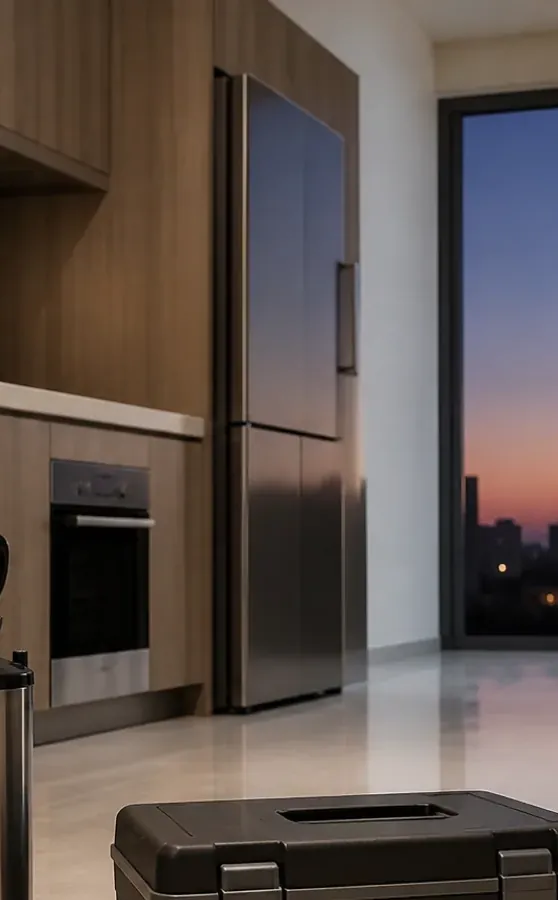
Prince Fawaz North lies between the sea and heavy traffic routes, where air carries dark oily dust from diesel soot. Markets and shops on the main axes create constant activity and mid-sized apartment buildings and villas stand close together. Insects move easily between units via shared walls and voids, and external pressure remains high at all times.
Oily dust from heavy traffic settles quickly and stickily. Insects find an environment rich in contaminants and food. For the method itself, see the full pest control page.
Trucks and buses on the road carry sticky oily dust. This dust settles on walls and windows and creates a rich environment where insects flourish.
Al Othaim Markets and shops on the main axes provide constant food and moisture. Insects move easily from these shops into flats and villas.
Buildings stand close together and shared walls and voids are numerous. Insects move between different flats and neighbouring villas via these shared routes.
The northern section of the Prince Fawaz extension in south Jeddah, with apartment buildings and mid-sized villas and shops on main axes, bordered by Al Adl to the north and Al Fadl to the east.
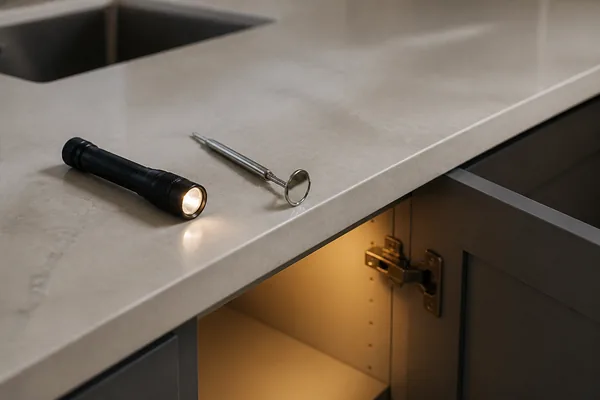
Inspection focuses on shared walls with adjoining units and gaps between floors, and on entry points from streets and shops.
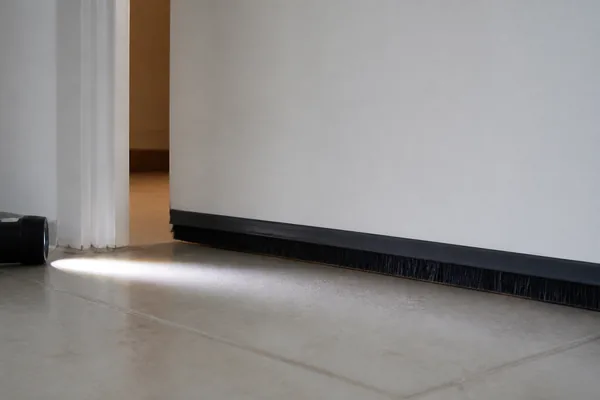
The source may be in nearby shops or adjoining units or in the polluted external environment.
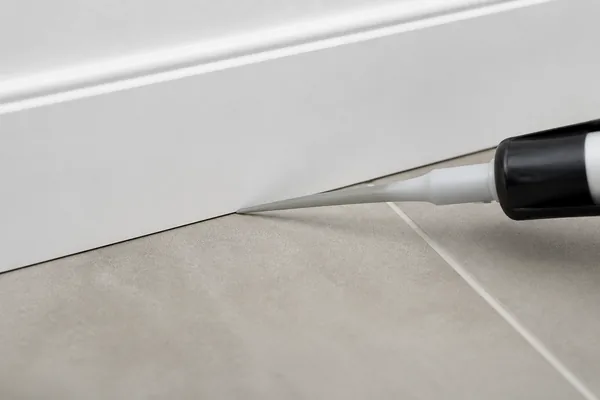
Cracks and gaps need deep treatment especially around shared walls to prevent movement from one unit to another.
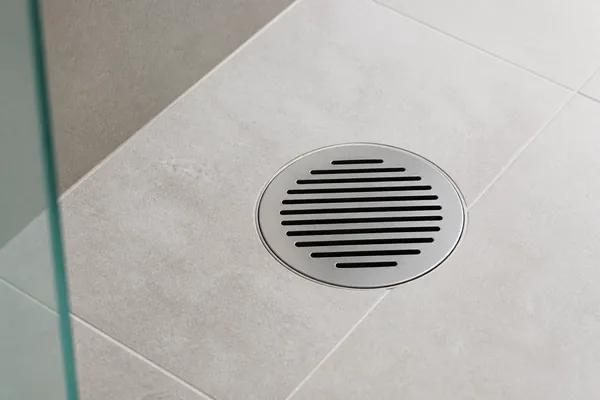
Drains and moisture around taps and bathrooms are priority areas, especially if connected to adjoining units.
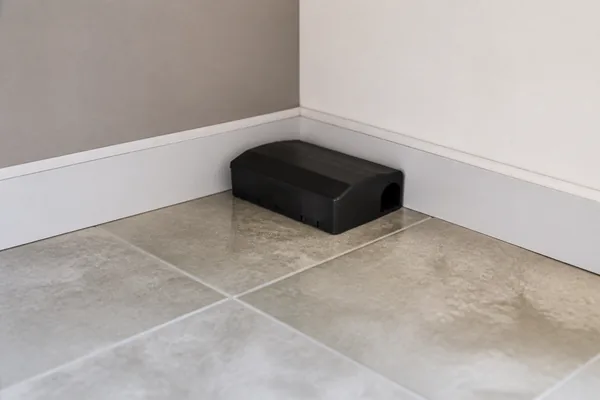
Baits are placed densely on interior and exterior walls and along all shared voids and routes from the external environment.
Weekly or fortnightly follow-up visits are necessary initially, with ongoing coordination with adjoining units when possible.
Droppings, damage and where they appear tell us the pest and roughly where it's nesting.
Gaps around pipes, thresholds and vents are the supply line.
Product goes into voids, cracks and the runways they use, not the open floor.
In the spaces spray can't reach, bait does the work, carried back to reach the nest and the ones that never surface.
Closing the easy entry points turns a constant re-supply into a closed problem, so the treatment isn't fighting a fresh wave every week.
Before leaving we walk the home with you and show you what was treated.
Prince Fawaz North sits about 1 km from Kilo 14 and about 1 km from Prince Fawaz South.
Open in Google MapsSpraying what walks across the floor is the common mistake we're called in to fix.
The company runs a large crew, and we send a team rather than one person.
Ants, cockroaches and rodents each need different products and placements.
If what you have is a one-off that doesn't need treating, or a structural issue for a builder, we tell you.
Photographs from real jobs carried out by the crew.












The commitment is simple enough to actually keep: we show you what was treated, and we stand behind it within the agreed cover.
South Jeddah runs from the port and the industrial city down towards Al Khumrah, and homes here sit between the sea and the heavy goods roads. The dust is darker and oilier than in the north, a mix of diesel soot and workshop grit, and it clings to net curtains, window sills and the tops of kitchen cupboards. Floors in the older low rise housing are often plain cement or ceramic tile that darkens where soot is walked in. Humidity from the coast adds mildew in bathrooms and a musty smell in stored fabrics.
We provide these in Prince Fawaz North too, and more than one can share a single visit.



