
We treat the source, not the sighting
Spraying what walks across the floor is the common mistake we're called in to fix.
Al Mursalat is an apartment district in the far southeastern corner of Jeddah near the governorate boundary, with dense residential blocks, shared entrances and shared water and drain pipes running between the flats. Insects move easily through these shared pipes from flat to flat, and coastal humidity and oily dust mean the drains stay damp all the time. Once insects get into one flat, the shared pipes deliver them to yours.
Repeated flats with shared pipes mean that seeing insects in one flat signals a high probability they are also in the neighbour's flat. For the method itself, see our pest control service in detail.
Main drain and water pipes shared between flats offer insects a direct route to travel between units unseen. They do not need wide spaces, only a tiny gap around a pipe where they find water and organic matter to feed on.
Drains in dense blocks stay wet all the time because multiple flats feed into them continuously. Insects live in these drains and climb up through them into flats, especially at night when activity drops.
Sea moisture seeps into foundations and walls, wetting the drains below the floor tiles. This creates the perfect environment for insects in your flat because the source is actually in a neighbouring flat.
The district lies between the port and heavy traffic routes. Oily dust and humidity create perfect conditions for insects inside the shared pipes and open drain zones that connect all the blocks.
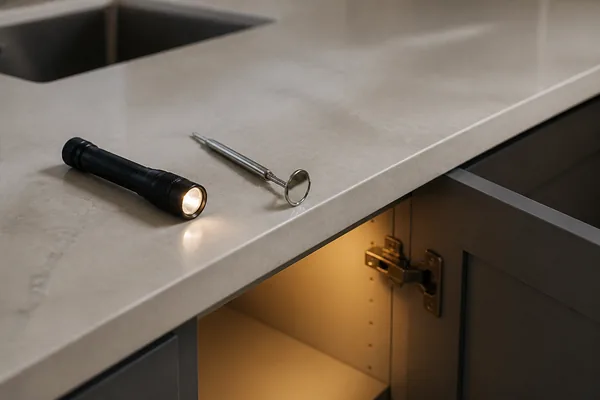
Inspection starts in the kitchen and bathroom where pipes and drains concentrate, which identifies the pest type and the source.
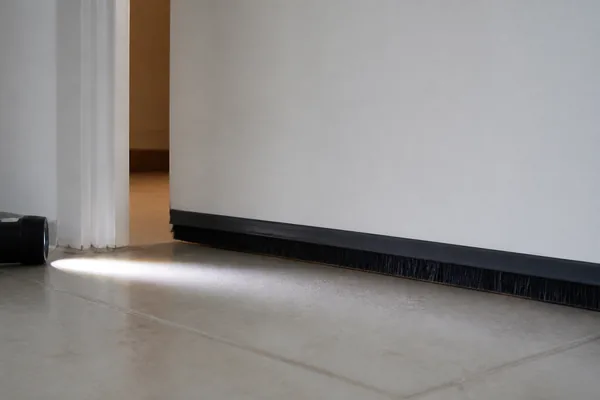
Main entry points are gaps around pipes in kitchen and bathroom, and even a tiny gap is enough for entry.
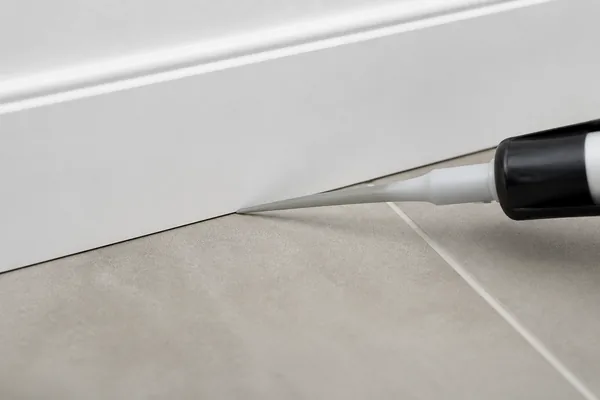
Small cracks in paint around pipes and drains need precise filling and tight sealing to stop passage.
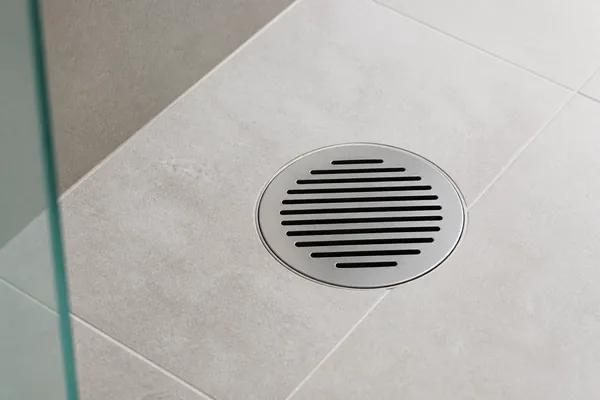
Drains and the voids beneath floor tiles stay damp all the time, so treatment of these zones is especially focused.
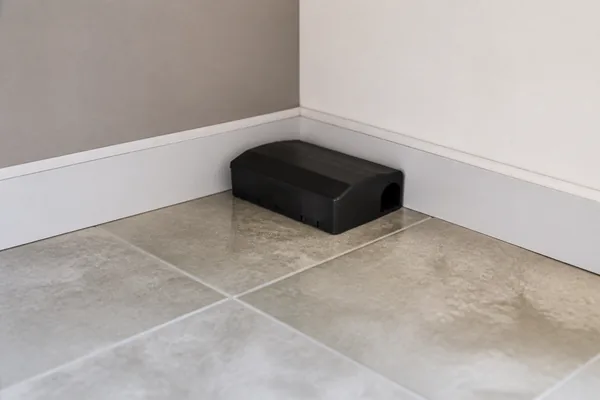
We place bait near pipes, drains and gaps where insects follow set routes between their dwelling and sources of food.
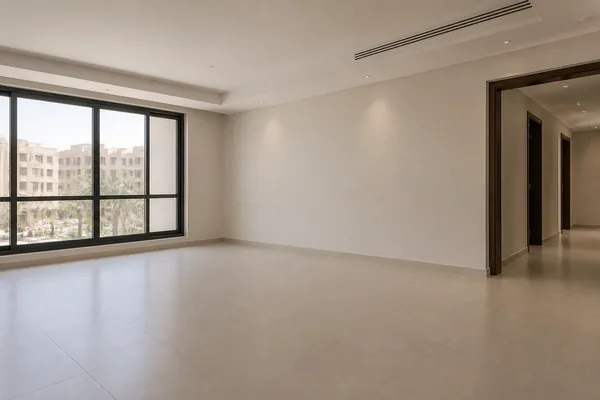
Follow-up checks examine sealed gaps to confirm they hold and watch for new alternate routes from the shared pipes.
Droppings, damage and where they appear tell us the pest and roughly where it's nesting.
Gaps around pipes, thresholds and vents are the supply line.
Product goes into voids, cracks and the runways they use, not the open floor.
In the spaces spray can't reach, bait does the work, carried back to reach the nest and the ones that never surface.
Closing the easy entry points turns a constant re-supply into a closed problem, so the treatment isn't fighting a fresh wave every week.
Before leaving we walk the home with you and show you what was treated.
Spraying what walks across the floor is the common mistake we're called in to fix.
The company runs a large crew, and we send a team rather than one person.
Ants, cockroaches and rodents each need different products and placements.
If what you have is a one-off that doesn't need treating, or a structural issue for a builder, we tell you.
Photographs from real jobs carried out by the crew.












The commitment is simple enough to actually keep: we show you what was treated, and we stand behind it within the agreed cover.
South Jeddah runs from the port and the industrial city down towards Al Khumrah, and homes here sit between the sea and the heavy goods roads. The dust is darker and oilier than in the north, a mix of diesel soot and workshop grit, and it clings to net curtains, window sills and the tops of kitchen cupboards. Floors in the older low rise housing are often plain cement or ceramic tile that darkens where soot is walked in. Humidity from the coast adds mildew in bathrooms and a musty smell in stored fabrics.
We provide these in Al Mursalat too, and more than one can share a single visit.



