
We treat the source, not the sighting
Spraying what walks across the floor is the common mistake we're called in to fix.
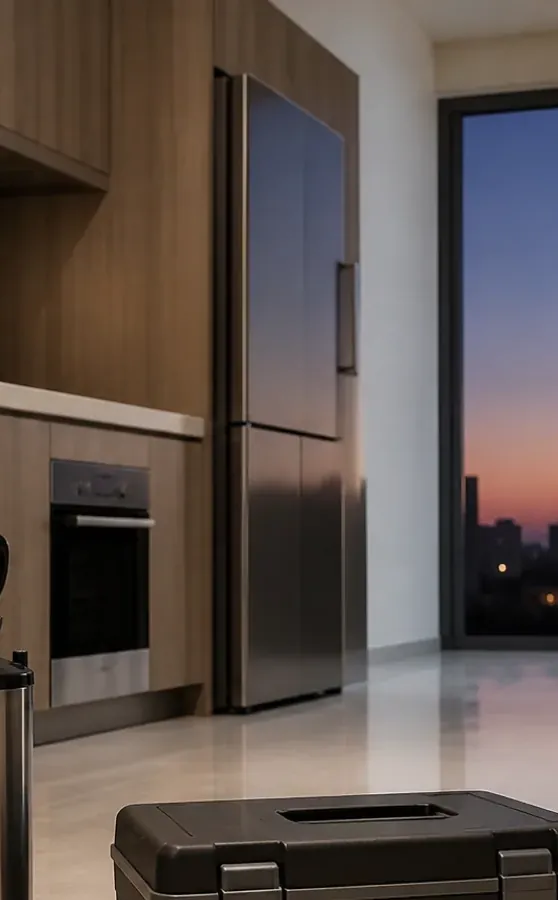
Mishrifah is a dense inland apartment district cut through by major roads, made up of closely set residential blocks with identical repeated floors and shared common areas. Insects here find shelter in walls shared between flats, in common passages and in the dense foundations. Source tracking and treatment require thorough knowledge of the network of pipes and shared voids.
Adjacent flats and identical floors here share a single run of pipes and wall cavities. Finding insects in one flat means a high likelihood they are in the adjoining one, and effective treatment needs coordination with neighbours. For the method itself, see our pest control service in detail.
Each storey is identical, and pipes and cavities run vertically and horizontally between flats. Pests use these voids to move, and treatment requires precise knowledge of building layout to cut off these shared corridors.
Common passages, stairwells and lifts provide dark, damp environments ideal for pests. These shared areas are not cleaned as regularly as private flats, and insects breed there easily before spreading to every unit.
The district is densely populated, and shops, medical complexes and mosques nearby supply abundant food sources. Constant movement at main entrances means high probability of pests entering with visitors and luggage.
A dense residential zone of tightly packed apartment blocks with repeated layouts, dominated by rental units and small shops, with medical complexes and mosques distributed through it.
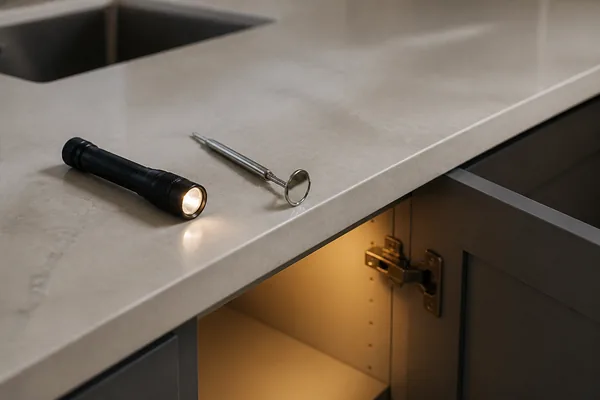
Inspection covers the flat itself, shared wall voids and common passages and stairs, as pests move with ease between all these zones.
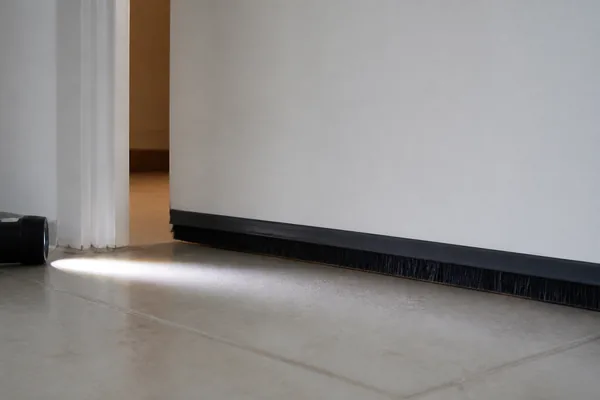
Entry points include cracks around pipes and drains, gaps between adjoining flats, external doors and window sills left open.
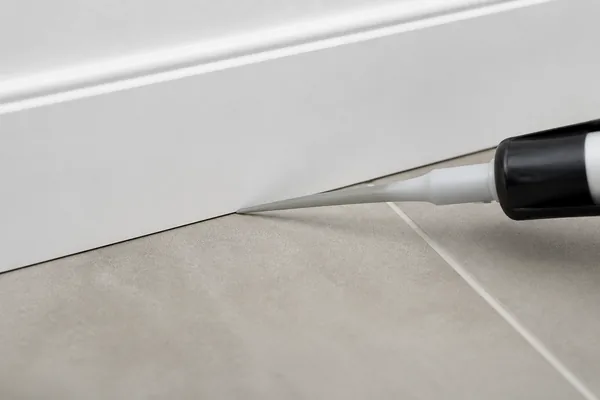
Cracks and wall voids need special treatment as they are main movement corridors. Precise injection or filling with appropriate material may be needed.
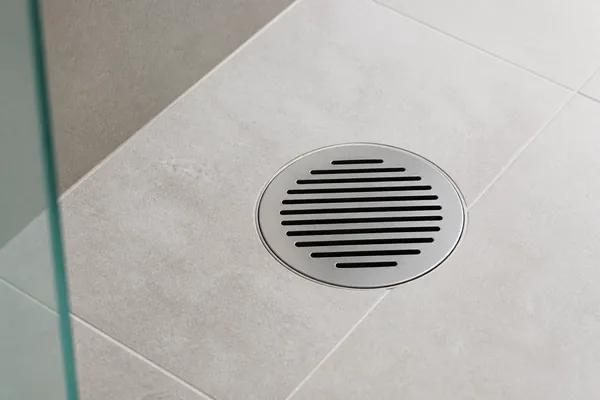
Drains in passages and shared bathrooms are a major moisture source, and treatment targets breeding zones around exposed or damaged pipes.
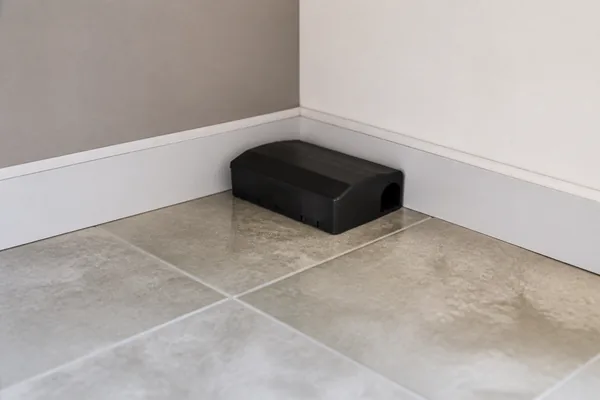
Baits are laid in passages, stairwells and dark corners, and around pipes and drains in shared zones.
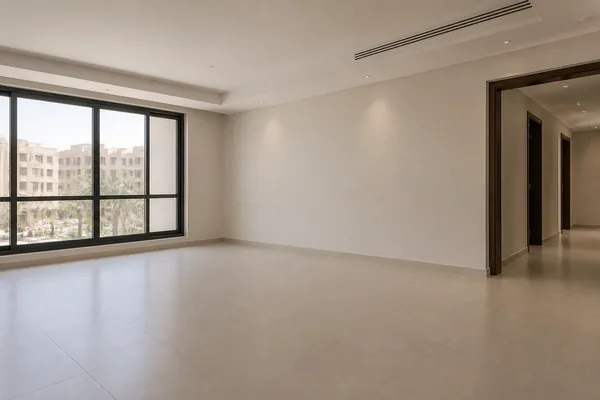
Follow-up requires regular inspection of common passages and coordination with building management for ongoing access to shared spaces.
Droppings, damage and where they appear tell us the pest and roughly where it's nesting.
Gaps around pipes, thresholds and vents are the supply line.
Product goes into voids, cracks and the runways they use, not the open floor.
In the spaces spray can't reach, bait does the work, carried back to reach the nest and the ones that never surface.
Closing the easy entry points turns a constant re-supply into a closed problem, so the treatment isn't fighting a fresh wave every week.
Before leaving we walk the home with you and show you what was treated.
Spraying what walks across the floor is the common mistake we're called in to fix.
The company runs a large crew, and we send a team rather than one person.
Ants, cockroaches and rodents each need different products and placements.
If what you have is a one-off that doesn't need treating, or a structural issue for a builder, we tell you.
Photographs from real jobs carried out by the crew.












The commitment is simple enough to actually keep: we show you what was treated, and we stand behind it within the agreed cover.
Apartment district: residential blocks, repeated floors and shared entrances
Repeated identical flats with shared infrastructure mean isolated treatment can fail: pests spread quickly horizontally and vertically through wall voids. Successful control rests on sealing common corridors and understanding the connections binding units together.
We provide these in Mishrifah too, and more than one can share a single visit.



