
We treat the source, not the sighting
Spraying what walks across the floor is the common mistake we're called in to fix.

Briman is an old popular district in east Jeddah lying directly south of King Abdulaziz International Airport, close to the Haramain High Speed Railway route. Popular housing mixed with scattered industrial activity and gaps in urban planning create a complex environment. Airport and industrial dust and moisture make insects very active. Treatment here requires understanding the mixed industrial and residential environment and how it feeds different pest types.
Contaminated dust from the airport and scattered industrial activity brings multiple insect types into Briman. For the method itself, see how we approach pest control.
Briman has popular residential buildings next to small workshops and scattered storage units. This complex mix brings multiple insect types: those from the stores and those from residential moisture. Treatment first requires identifying the pest type to locate the source and choose the right method.
Urban planning in Briman has gaps and irregularities, vacant patches between buildings and unregulated industrial activity. This urban disarray provides multiple insect shelters and eases movement between buildings.
Airport and industrial dust carries organic and oily particles that draw insects, and coastal proximity brings moisture that extends their active season. This mix of contaminants and moisture creates ideal conditions for insect activity year-round.
An old popular district in east Jeddah directly south of the airport, with popular mixed housing and scattered industrial activity alongside gaps in comprehensive urban planning.
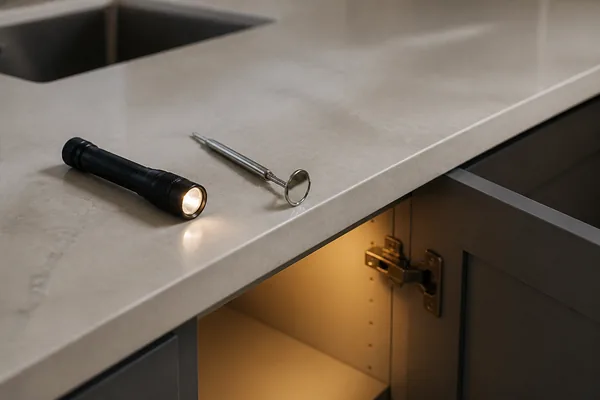
Inspection in Briman begins by identifying the pest type first, because different types point to different sources: workshop pests differ from moisture-driven residential pests.
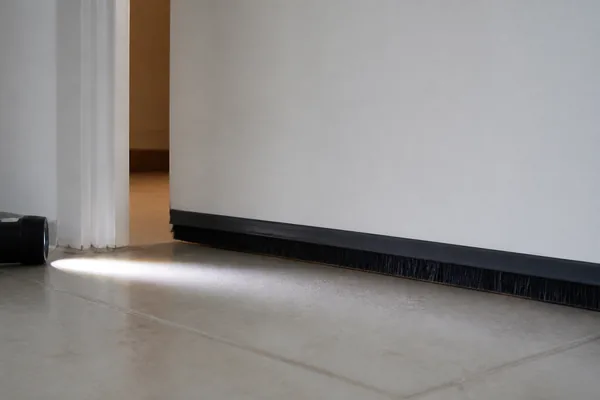
Entry points in Briman are multiple: gaps between residential and workshop buildings, voids around foundations, and unprotected wall openings.
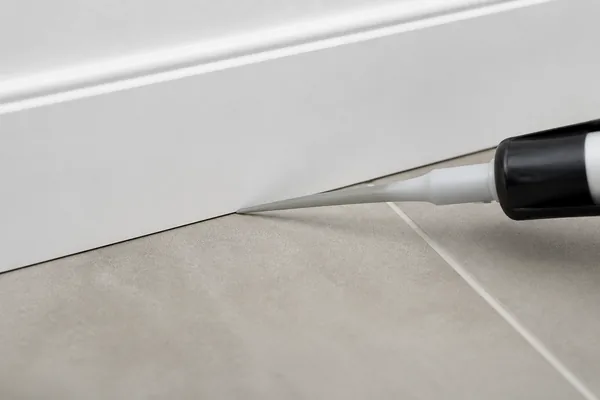
Cracks and gaps are treated based on pest type and source. If from nearby workshops, we focus on outdoor entry points. If moisture-driven, we focus on drains.
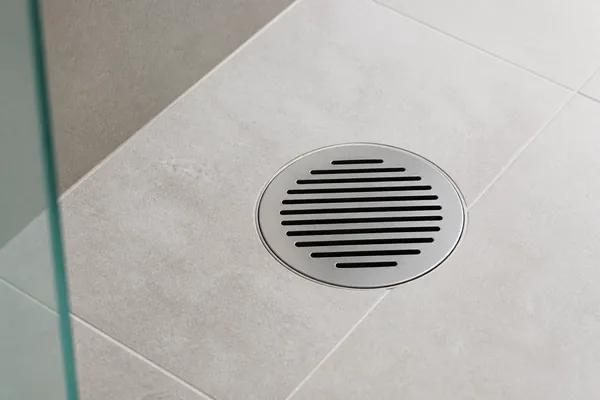
Drains and visible moisture in Briman are a continuous source. We focus on discharge points and damp areas where insects gather.
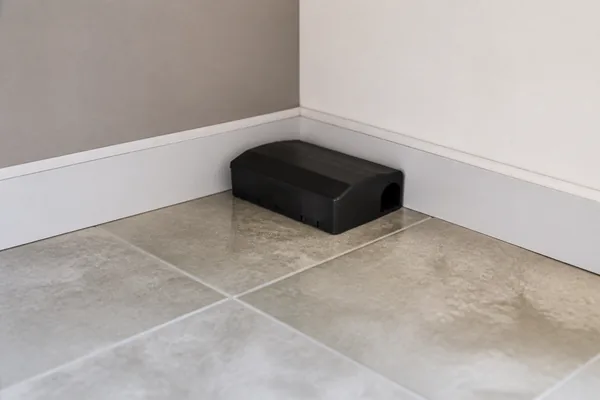
Bait is placed along gaps between housing and workshops, around drains, and in damp areas where we find insect activity.
Follow-up in Briman focuses on identifying new types and emerging sources, because the mixed environment presents multiple concurrent pest sources.
Droppings, damage and where they appear tell us the pest and roughly where it's nesting.
Gaps around pipes, thresholds and vents are the supply line.
Product goes into voids, cracks and the runways they use, not the open floor.
In the spaces spray can't reach, bait does the work, carried back to reach the nest and the ones that never surface.
Closing the easy entry points turns a constant re-supply into a closed problem, so the treatment isn't fighting a fresh wave every week.
Before leaving we walk the home with you and show you what was treated.
Spraying what walks across the floor is the common mistake we're called in to fix.
The company runs a large crew, and we send a team rather than one person.
Ants, cockroaches and rodents each need different products and placements.
If what you have is a one-off that doesn't need treating, or a structural issue for a builder, we tell you.
Photographs from real jobs carried out by the crew.












The commitment is simple enough to actually keep: we show you what was treated, and we stand behind it within the agreed cover.
Mixed district: shops at street level with homes above them
In a mixed district like Briman, insects come from multiple sources: workshops, stores and residential moisture, so treatment begins by identifying pest type and source, then choosing the right method for each source.
We provide these in Briman too, and more than one can share a single visit.



