
We treat the source, not the sighting
Spraying what walks across the floor is the common mistake we're called in to fix.
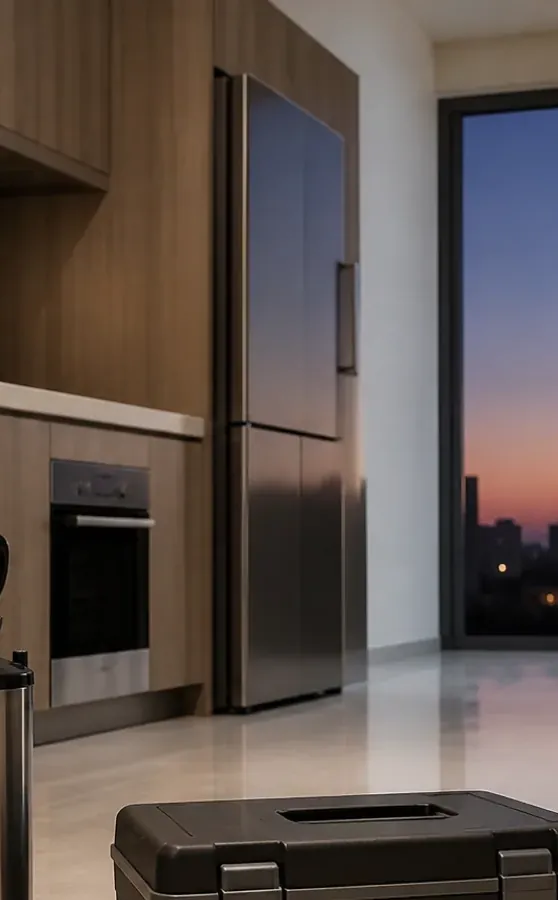
Al Waha is a relatively young villa district east of Jeddah where every home stands on its own plot with a boundary wall and garden. Green spaces and garden irrigation create the perfect environment for insects to breed. Insects enter the villa from the garden, not from the street, so treatment must address both the outdoor and indoor environment.
In Al Waha, villas with neglected gardens or poor water drainage host significantly more insects than those where gardens are actively maintained and watered correctly. For the method itself, see our guide to pest control.
Every garden in Al Waha is an entry point for insects. Plants, irrigation water and damp soil provide food, water and shelter ideal for breeding. Insects do not remain in the garden but crawl under doors and windows into the home, particularly toward kitchens and bathrooms where moisture collects.
Garden irrigation systems often leave moisture around the villa foundation. Wet soil against walls attracts insects and makes entry under foundations easier. Poor drainage means more insect activity. Ground sealing and proper water management are essential parts of treatment here.
Play equipment, seating and items left outside may shelter insects. Moving things from the garden into the home, or relocating stored furniture, can introduce insects into the house. Regular inspection and garden tidiness are essential.
A relatively young district east of Haramain Road and north of Palestine Road, laid out with villas and apartment buildings. Each villa has a private garden; there is also a public park in the centre. Gardens and continuous irrigation maintain damp conditions year-round.
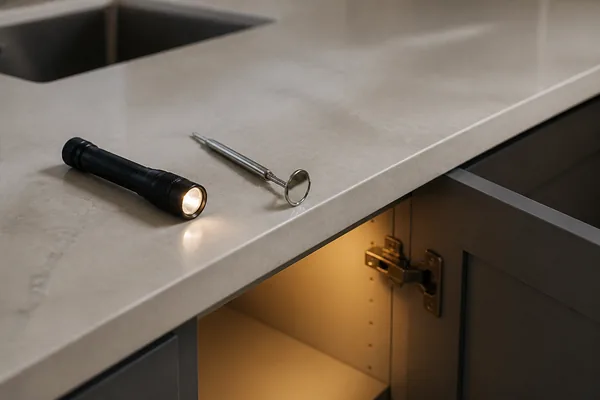
We inspect the villa exterior first: the garden, foundation and openings, because the insect source lies there, not indoors.
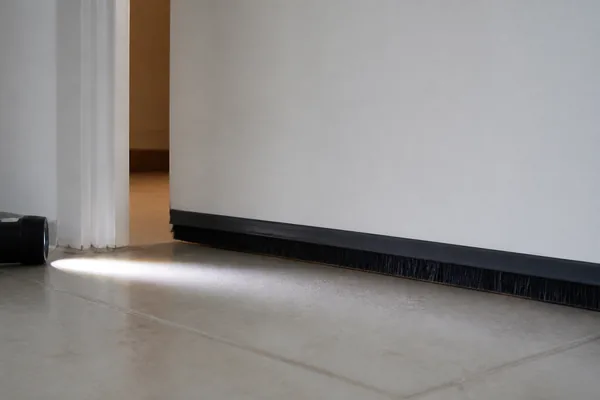
We track insects from the garden under doors, through foundation gaps and around windows, and follow where they enter the house.
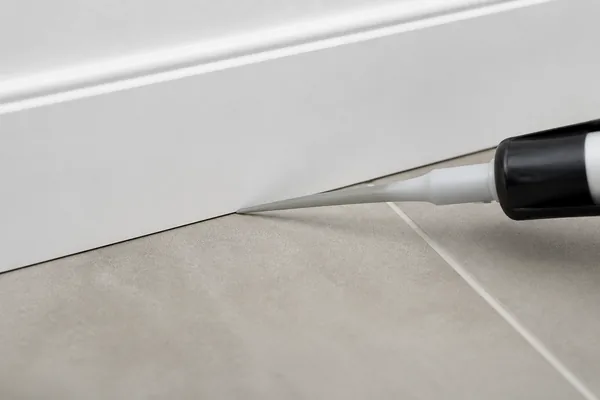
We seal large gaps around the foundation and under external doors but leave small openings for monitoring to confirm whether insects are entering from the garden.
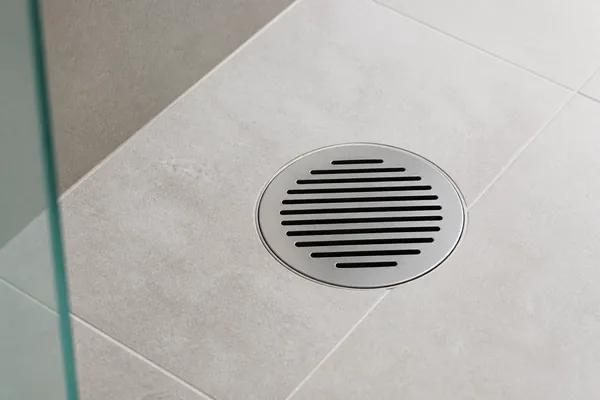
We focus on damp zones around the garden, foundation and irrigation system, and on kitchens and bathrooms internally.
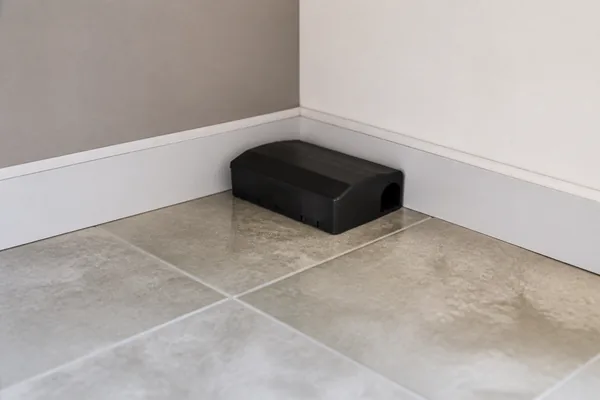
We place baits around the garden perimeter, around the villa exterior and indoors along walls and corners.
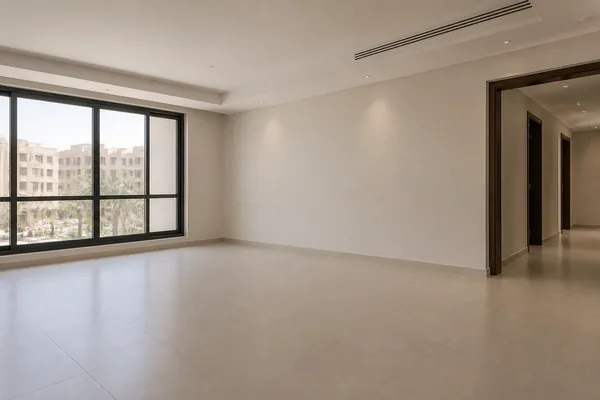
We monitor the villa monthly and the garden every two months, reassessing treatment if moisture problems persist in the garden.
Droppings, damage and where they appear tell us the pest and roughly where it's nesting.
Gaps around pipes, thresholds and vents are the supply line.
Product goes into voids, cracks and the runways they use, not the open floor.
In the spaces spray can't reach, bait does the work, carried back to reach the nest and the ones that never surface.
Closing the easy entry points turns a constant re-supply into a closed problem, so the treatment isn't fighting a fresh wave every week.
Before leaving we walk the home with you and show you what was treated.
Spraying what walks across the floor is the common mistake we're called in to fix.
The company runs a large crew, and we send a team rather than one person.
Ants, cockroaches and rodents each need different products and placements.
If what you have is a one-off that doesn't need treating, or a structural issue for a builder, we tell you.
Photographs from real jobs carried out by the crew.












The commitment is simple enough to actually keep: we show you what was treated, and we stand behind it within the agreed cover.
Villa district: private plots, gardens and a boundary wall to every house
In Al Waha, treatment extends beyond the villa interior to include the garden, soil and foundation. A new villa with landscaping requires a different strategy than apartments because the problem originates outdoors and moves inward, not from neighbours or internal sources.
We provide these in Al Waha too, and more than one can share a single visit.



