
We treat the source, not the sighting
Spraying what walks across the floor is the common mistake we're called in to fix.
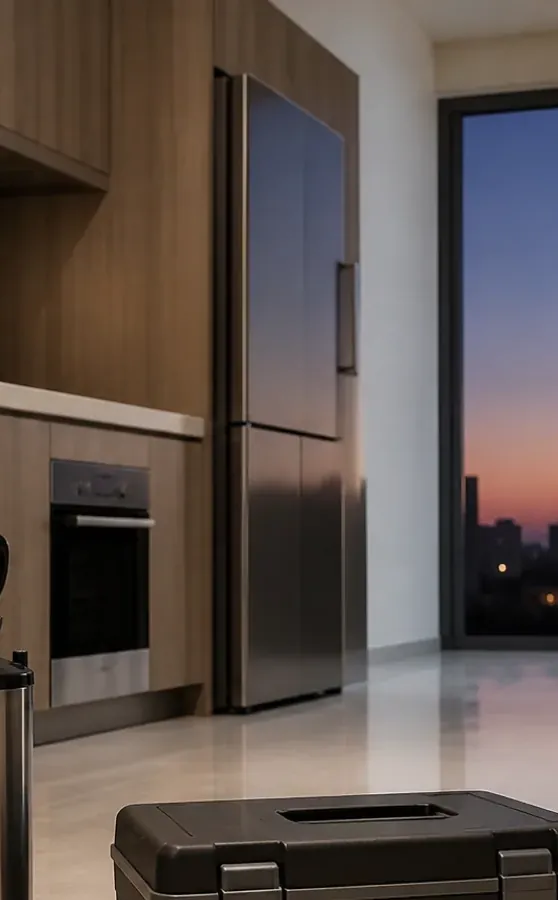
In Al Ajaweed, where shops sit below flats and shared corridors connect them, pests move easily between residential units and the commercial space beneath them. The source might be in a shop next to yours, a flat above, or in the shared voids behind the walls. Proper inspection pinpoints where pests entered and how they move between environments that are physically close but often treated separately.
Pests here move horizontally between adjoining units more often than vertically, especially between shops and flats that share entry points and services. For the method itself, see our guide to pest control.
In a mixed district, pests travel through shared floor voids and gaps behind internal walls, especially around drains and service runs. Treating only your flat does nothing if the shop below is still infested, or if a neighbour's flat is still a source. The pest won't stop entering from next door when it finds no resistance indoors.
Soot from truck traffic and diesel settles in cracks in facades and window frames, attracts certain pests and hides the signs of others. Cleaning visible surfaces does not reach the deep cracks and voids behind trim and seals where the insects actually shelter.
Sea air increases bacterial growth in bathrooms and kitchens, attracting pests that seek moisture. Treating the dampness itself reduces how appealing those spaces are to insects that depend on high humidity to breed.
Elevated ground surrounded by villas and low apartment buildings, with green spaces and a public park, threaded through by main commercial roads that bring constant traffic and darker, oilier dust.
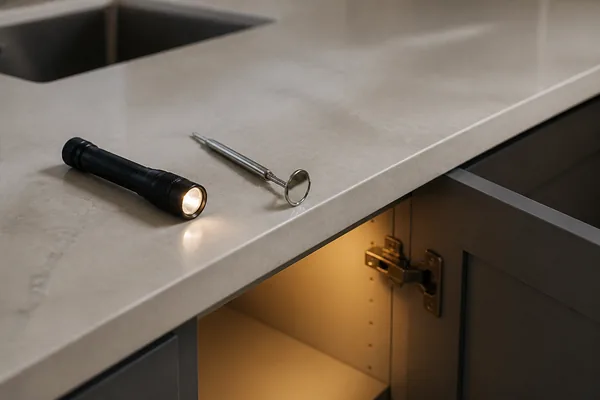
In a mixed district we inspect the flat and the shop if access allows, so we understand the connection between units and where pests cross.
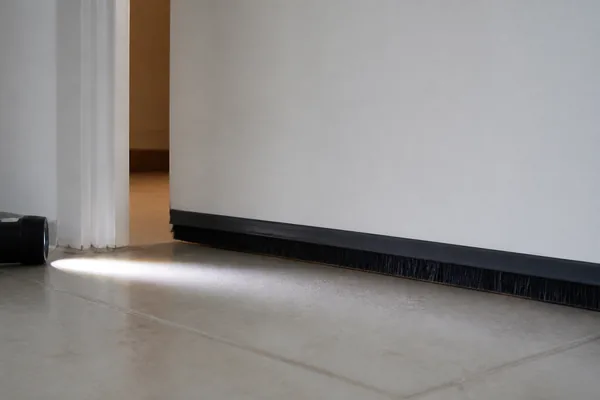
We track the voids around pipes, cables and cracks in shared walls between units, which are the main travel routes pests use to move between spaces.
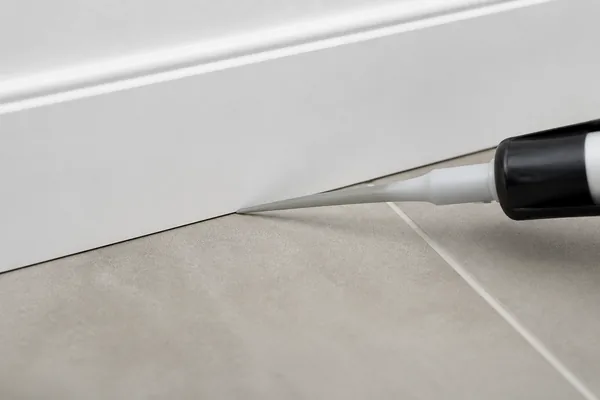
We seal large gaps in shared floors and walls with materials suited to the materials around them, to cut off the horizontal movement route.
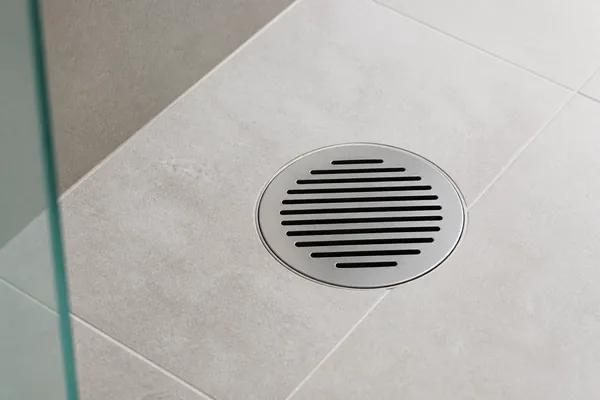
Treating drains and damp in bathrooms and kitchens removes what attracts moisture-seeking pests and reduces the appeal of your space as a destination.
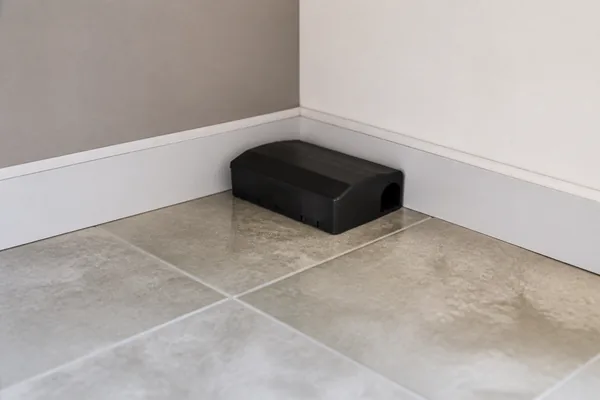
We place bait along the outer walls and around main entry points, especially where the shop entrance and shared hallway meet.
Follow-up includes checking bait stations weekly and verifying that seals hold, ending with a final walk-through after two weeks.
Droppings, damage and where they appear tell us the pest and roughly where it's nesting.
Gaps around pipes, thresholds and vents are the supply line.
Product goes into voids, cracks and the runways they use, not the open floor.
In the spaces spray can't reach, bait does the work, carried back to reach the nest and the ones that never surface.
Closing the easy entry points turns a constant re-supply into a closed problem, so the treatment isn't fighting a fresh wave every week.
Before leaving we walk the home with you and show you what was treated.
Mixed district: shops at street level with homes above them
In a mixed district, the problem is not your flat's cleanliness alone, but the horizontal movement between adjoining units. The neighbour or the shop below may be the source, so our focus is on contact points and shared voids rather than treating your space in isolation.
Spraying what walks across the floor is the common mistake we're called in to fix.
The company runs a large crew, and we send a team rather than one person.
Ants, cockroaches and rodents each need different products and placements.
If what you have is a one-off that doesn't need treating, or a structural issue for a builder, we tell you.
Photographs from real jobs carried out by the crew.












The commitment is simple enough to actually keep: we show you what was treated, and we stand behind it within the agreed cover.
South Jeddah runs from the port and the industrial city down towards Al Khumrah, and homes here sit between the sea and the heavy goods roads. The dust is darker and oilier than in the north, a mix of diesel soot and workshop grit, and it clings to net curtains, window sills and the tops of kitchen cupboards. Floors in the older low rise housing are often plain cement or ceramic tile that darkens where soot is walked in. Humidity from the coast adds mildew in bathrooms and a musty smell in stored fabrics.
We provide these in Al Ajaweed too, and more than one can share a single visit.



