
We treat the source, not the sighting
Spraying what walks across the floor is the common mistake we're called in to fix.

Al Yaman is one of four historic quarters inside Jeddah's old walled city, in the southern part of Al Balad, a densely packed neighbourhood of stone and timber buildings from earlier centuries with very narrow lanes. Heavy limescale coats the drains and deep stone fissures conceal the pests. Treatment requires reaching into deep voids and working carefully with heritage buildings.
The quarter is ancient, buildings date to medieval times, stone cracks run very deep and the original stone floors beneath modern terrazzo create wide hidden voids where pests shelter. For the method itself, see how we approach pest control.
Buildings are made of coral stone and old timber from centuries past, materials that naturally crack and weather over time. Pests live in these heritage fissures that cannot be forcefully sealed or repaired.
Cracks in stone and timber run very deep and traverse entire walls. Original stone floors beneath modern terrazzo create wide air gaps that shelter vast numbers of pests.
Drains are covered in thick limescale accumulated over decades, and metal pipes have corroded completely inside. Scale and corrosion create airtight shelters and the damp organic matter pests need to breed.
The quarter mixes housing and shopfronts in a very tightly woven urban fabric with old kitchens and bathrooms carrying heavy buildup and metal pipes corroded over decades.
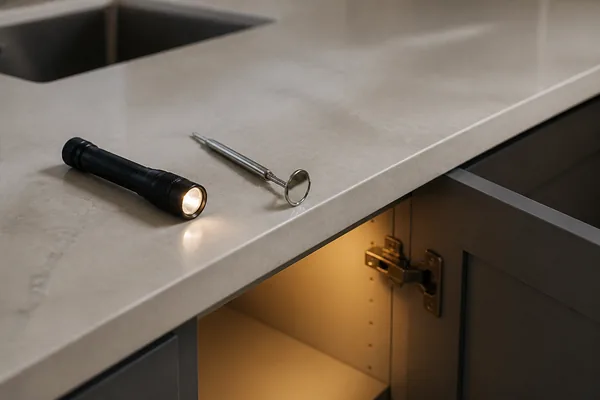
Historic quarters host pest species adapted to life in ancient buildings. We identify species accurately first and select materials safe for heritage sites and effective against pests alike.
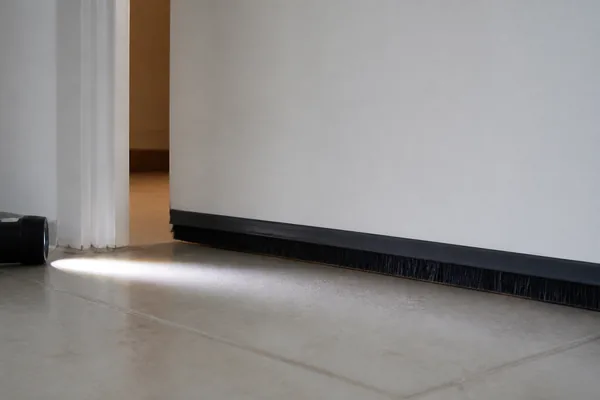
Entry points in historic quarters are unclear: pests enter through microscopic cracks in stone and timber, voids beneath stone floors, and gaps around corroded metal pipes.
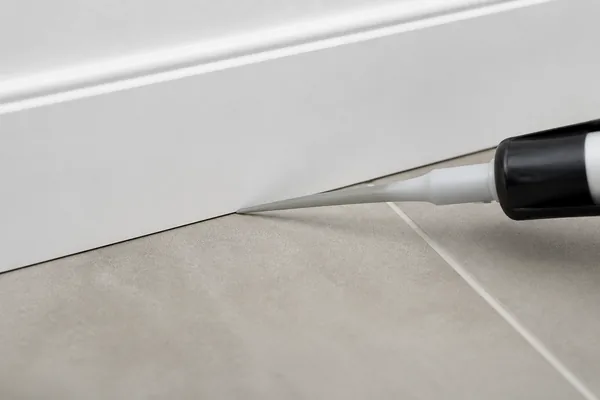
We treat cracks and voids with flexible materials safe for heritage materials, as rigid products risk damaging old stone and timber when applied with force.
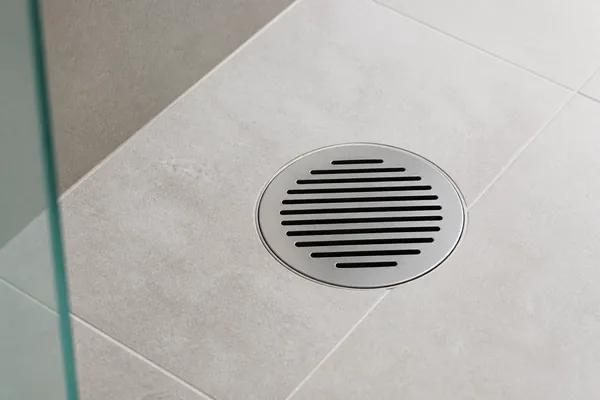
Shared drains and damp channels beneath stone floors shelter many pests and need gentle treatment because the pipework is very old and may be sensitive to strong chemicals.
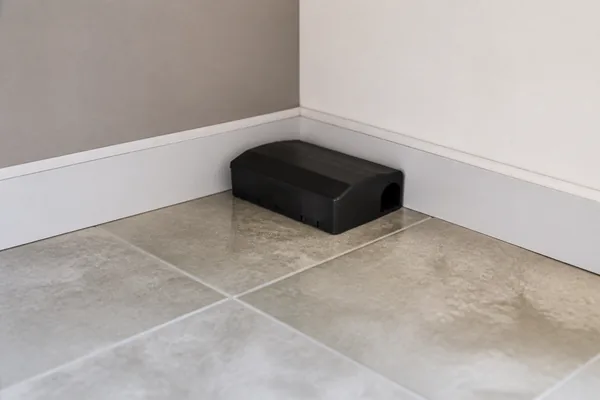
We place baits around cracks and voids, on bathroom and kitchen walls, and around corroded metal pipes where moisture is high.
Follow-up in historic quarters requires special care and commitment to heritage-safe materials. Repeated treatments every four to six weeks may be needed for extended periods.
Droppings, damage and where they appear tell us the pest and roughly where it's nesting.
Gaps around pipes, thresholds and vents are the supply line.
Product goes into voids, cracks and the runways they use, not the open floor.
In the spaces spray can't reach, bait does the work, carried back to reach the nest and the ones that never surface.
Closing the easy entry points turns a constant re-supply into a closed problem, so the treatment isn't fighting a fresh wave every week.
Before leaving we walk the home with you and show you what was treated.
Al Yaman sits about 0.5 km from Al Sahifah and about 0.5 km from Historic Jeddah.
Open in Google MapsSpraying what walks across the floor is the common mistake we're called in to fix.
The company runs a large crew, and we send a team rather than one person.
Ants, cockroaches and rodents each need different products and placements.
If what you have is a one-off that doesn't need treating, or a structural issue for a builder, we tell you.
Photographs from real jobs carried out by the crew.












The commitment is simple enough to actually keep: we show you what was treated, and we stand behind it within the agreed cover.
In Al Yaman the team accesses properties through Souk Al Alawi nearby, and treatment is planned around very narrow lanes and old shopfronts close to Hassan Annani Mosque. Communication is essential as the lane network is complex and entrances are not obvious.
We provide these in Al Yaman too, and more than one can share a single visit.



