
We treat the source, not the sighting
Spraying what walks across the floor is the common mistake we're called in to fix.

Al Hamra is an established upmarket coastal district that runs between the Corniche and inland roads, a complex mix of hotel towers and apartments standing alongside spacious villas. Coastal humidity and salt accelerate the widening of cracks and activate drains. Pests here do not settle in simplicity but in the intricate voids between floors and thick bearing walls. Random spraying will not reach the nests hidden behind soft furnishings and inside piping runs.
Tall residential buildings hold dozens of units in a single tower, and the network of pipes and conduits makes tracing an infestation's origin far more complex than in single-family dwellings. For the method itself, see our pest control service in detail.
Hotels and residential towers have massive load-bearing walls and isolated cavities between floors. Insects live in these deep voids for months without surfacing, emerging into occupied units only when foraging becomes necessary, which can make the outbreak seem sudden.
Floors in Al Hamra are typically high-grade marble, and the services (water, power, air conditioning) run directly below them. Insects use these pipe runs as highways between units, so each flat is not isolated from the next but connected through shared infrastructure.
Coastal air corrodes metal conduits and pipe channels, leaving gaps that expand over time around the services themselves. These natural voids become safe runs for insects away from visible surfaces, where they cannot be reached by surface treatment alone.
An established upmarket district on the seafront means salt and moisture accumulate on every surface, causing sealant failure and fine cracks that become safe passages for insects throughout the building fabric.
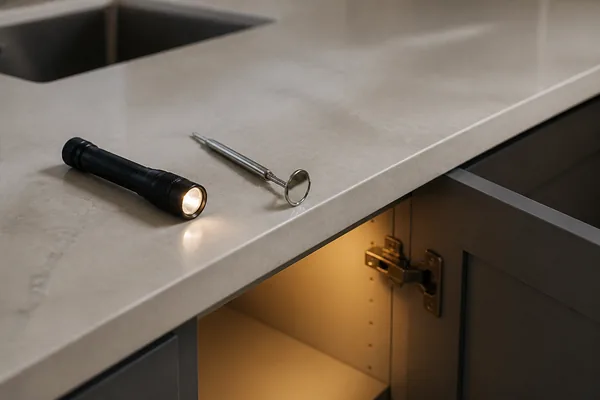
Towers and tall buildings create complex horizontal pathways for pests via services and ducting, so inspection must include a map of the internal piping and conduit routes.
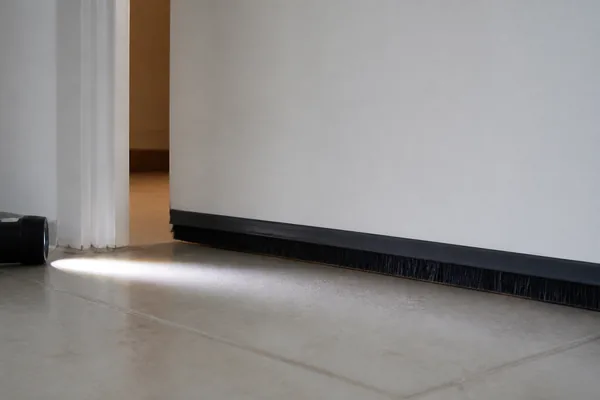
Moisture sources in towers are multiple: shared kitchens, bathrooms, balconies and ageing drain leaks, and each one can become an outbreak point if insects return.
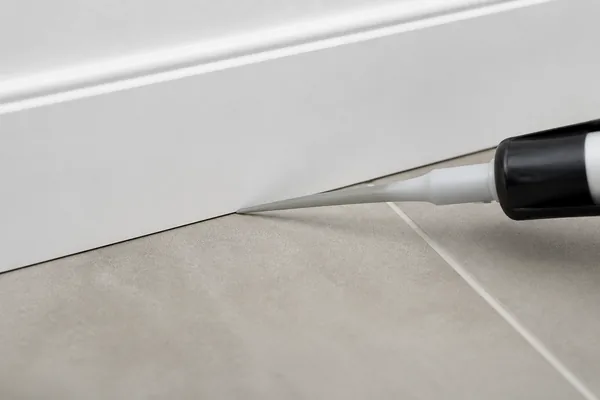
Cracks and gaps around metal pipes are widened by salt corrosion over time, requiring precise sealing around every service after treatment to stop re-entry.
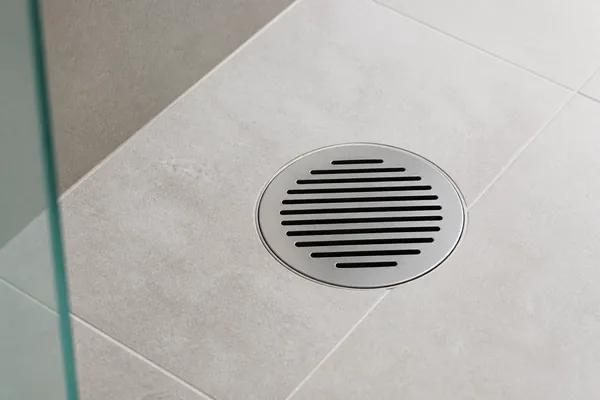
Shared drainage in towers provides an interconnected network for insect movement, so treating a single drain may not suffice unless we also seal the voids surrounding it.
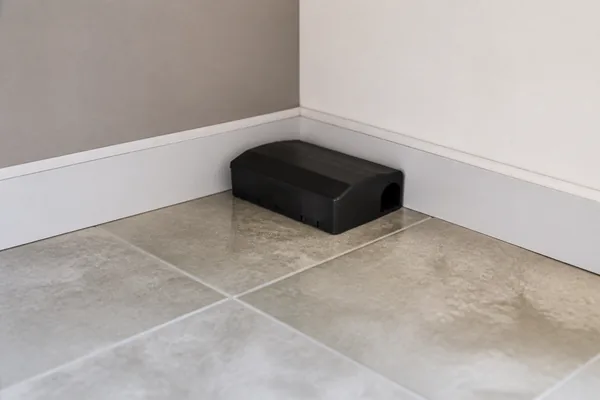
Bait is placed along main movement routes and around ducting runs, not just inside flats, because most activity occurs in the hidden passages between units.
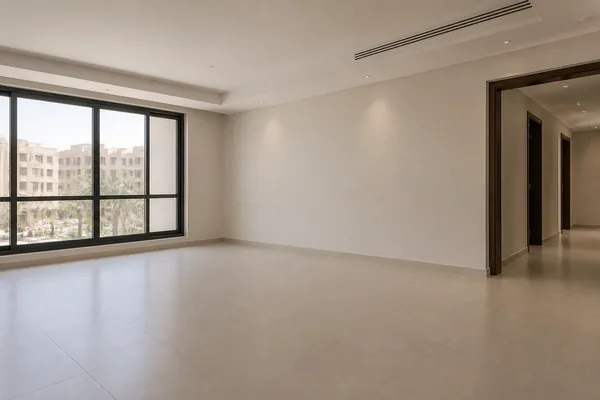
Follow-up inspections must include checking concealed voids and service runs, because insects may return via new entry points if those gaps have not been sealed after initial treatment.
Droppings, damage and where they appear tell us the pest and roughly where it's nesting.
Gaps around pipes, thresholds and vents are the supply line.
Product goes into voids, cracks and the runways they use, not the open floor.
In the spaces spray can't reach, bait does the work, carried back to reach the nest and the ones that never surface.
Closing the easy entry points turns a constant re-supply into a closed problem, so the treatment isn't fighting a fresh wave every week.
Before leaving we walk the home with you and show you what was treated.
Spraying what walks across the floor is the common mistake we're called in to fix.
The company runs a large crew, and we send a team rather than one person.
Ants, cockroaches and rodents each need different products and placements.
If what you have is a one-off that doesn't need treating, or a structural issue for a builder, we tell you.
Photographs from real jobs carried out by the crew.












The commitment is simple enough to actually keep: we show you what was treated, and we stand behind it within the agreed cover.
Coastal area: high humidity and salt air through the year
Coastal exposure here means continuous corrosion of gaps and sealant around services due to salt and persistent moisture, which opens new safe passages for insects each season. Treatment requires close re-inspection every few weeks to catch any newly widened fissures before they become active routes.
We provide these in Al Hamra too, and more than one can share a single visit.



