
We treat the source, not the sighting
Spraying what walks across the floor is the common mistake we're called in to fix.
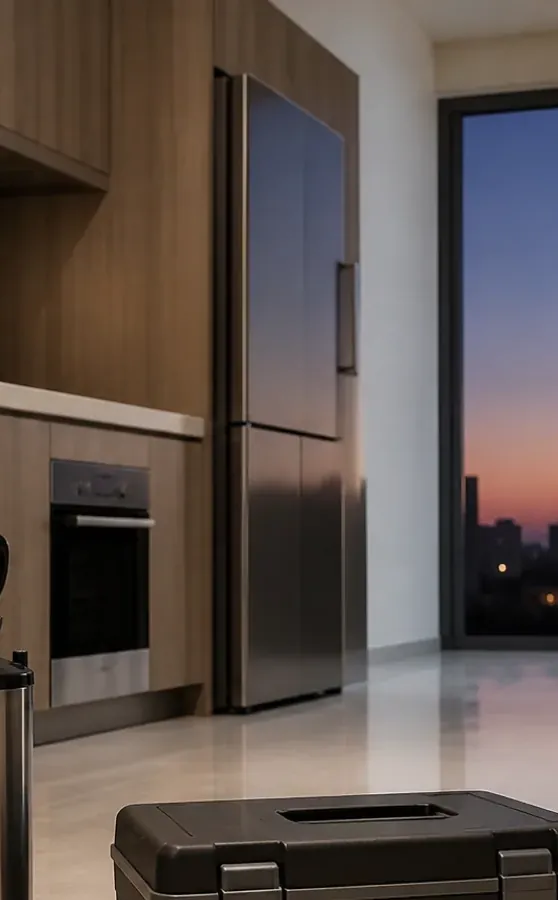
Al Harazat is a densely built residential spread in south eastern Jeddah on the Old Makkah Road, low rise apartment blocks along narrow streets close to mosques, health centres and daily markets. The district grew on former farmland through informal subdivisions, and flats are densely stacked with shared entrances. Insects migrate easily between units via unified piping and common foundation gaps.
Streets are very narrow and apartment blocks are tightly pressed against each other. Insects travel easily from block to block through shared foundation gaps without needing doors or street crossings. Treating a single flat without treating neighbouring units often fails to solve the infestation. For the method itself, see our pest control service in detail.
Low rise blocks stand tightly pressed against each other with shared walls and foundation gaps between them. Insects migrate easily between blocks without needing to cross streets or navigate external routes.
Drainage, water and ventilation pipes are shared horizontally and vertically between multiple units and buildings. Insects use piping as transit routes between flats and blocks. Treating a single flat leaves piping pathways open from neighbouring units.
Streets are very narrow and blocks are closely built, reducing ventilation and allowing humidity to accumulate. Density and permanent shade give insects abundant shelter, making food and water access easy.
A densely built residential spread in south eastern Jeddah grown on former farmland through subdivisions outside municipal planning, with low rise apartment blocks and popular housing lining narrow streets, served by local mosques, health centres and everyday markets.
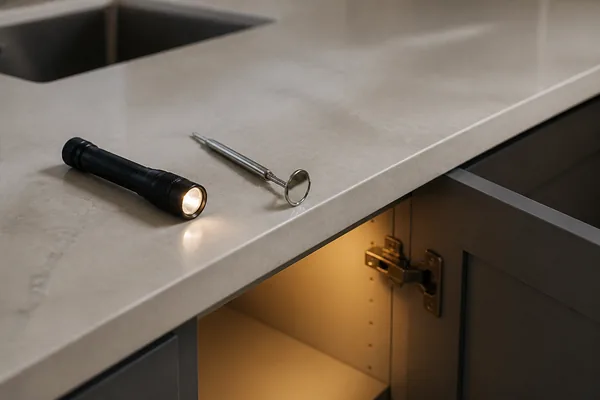
Adjacent blocks share foundation gaps, and inspection focuses on contact points between blocks and common voids.
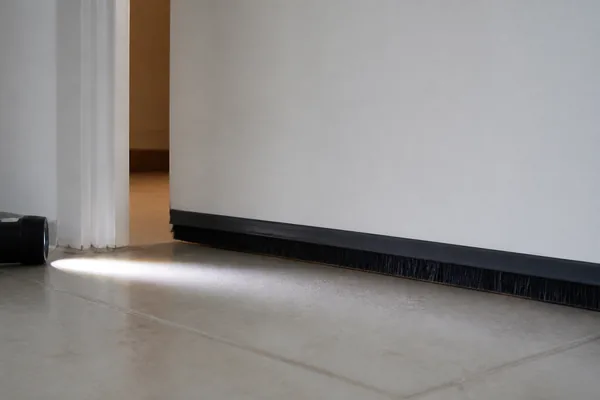
Unified pipes between flats need targeted treatment at connection points, not flat treatment in isolation.
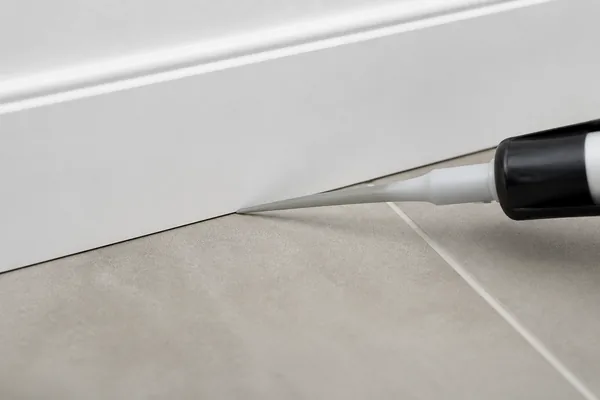
Gaps around pipes may be wide from age, requiring multi-layer sealing approaches.
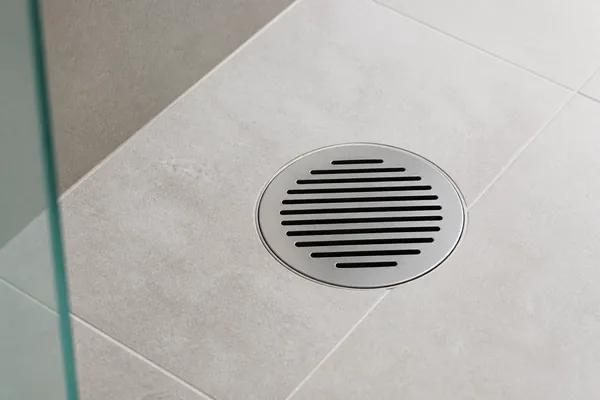
Shared drains for multiple buildings need targeted treatment at inter-block connection points.
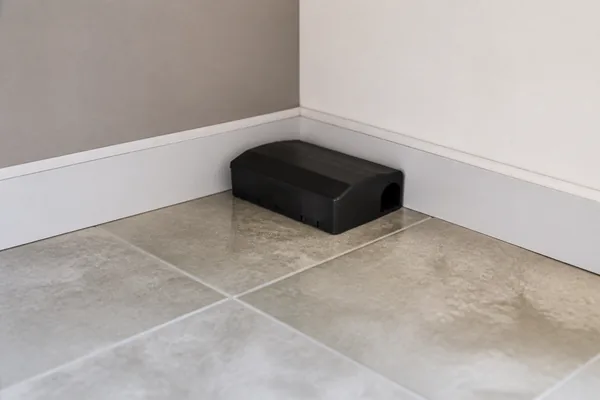
Baits in shared voids and external passages take priority over interior flat placement, as insects migrate between blocks.
Follow-up focuses on pipe openings and shared voids, and neighbour coordination increases effectiveness.
Droppings, damage and where they appear tell us the pest and roughly where it's nesting.
Gaps around pipes, thresholds and vents are the supply line.
Product goes into voids, cracks and the runways they use, not the open floor.
In the spaces spray can't reach, bait does the work, carried back to reach the nest and the ones that never surface.
Closing the easy entry points turns a constant re-supply into a closed problem, so the treatment isn't fighting a fresh wave every week.
Before leaving we walk the home with you and show you what was treated.
Spraying what walks across the floor is the common mistake we're called in to fix.
The company runs a large crew, and we send a team rather than one person.
Ants, cockroaches and rodents each need different products and placements.
If what you have is a one-off that doesn't need treating, or a structural issue for a builder, we tell you.
Photographs from real jobs carried out by the crew.












The commitment is simple enough to actually keep: we show you what was treated, and we stand behind it within the agreed cover.
Apartment district: residential blocks, repeated floors and shared entrances
Dense apartment housing means unified pipes, shared walls and tightly pressed blocks. Insects do not need to cross streets to migrate from one unit to another, making individual flat treatment far less effective and neighbour coordination essential.
We provide these in Al Harazat too, and more than one can share a single visit.



