
We treat the source, not the sighting
Spraying what walks across the floor is the common mistake we're called in to fix.
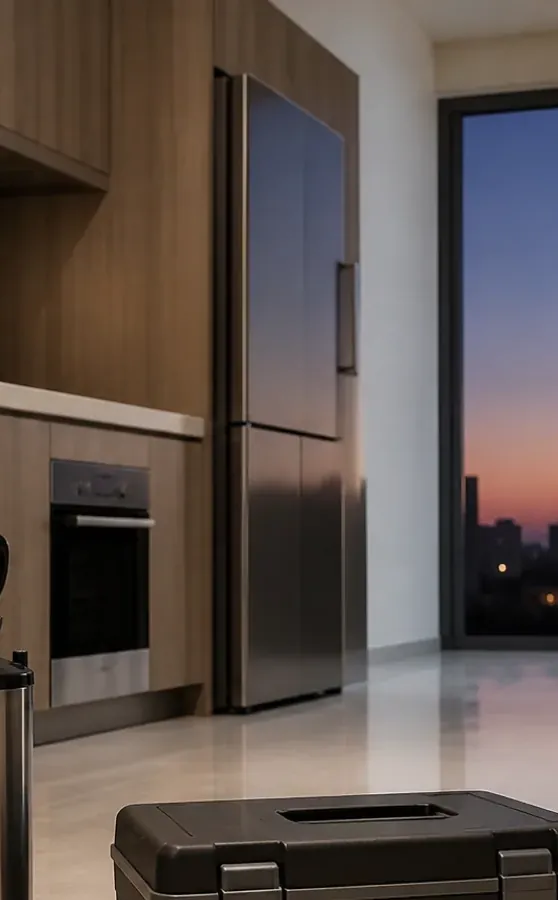
Al Zumurrud is a northern coastal district sitting directly on the Red Sea, where high humidity and salt air create a unique environment for pest colonies. Chalets and rest houses on the shoreline and their proximity to the water make humidity control at the source critical to any lasting result.
Pests in coastal areas nest preferentially near corroded metal pipework where rust creates cavities, combining moisture and shelter in one spot. For the method itself, see the full pest control page.
In Al Zumurrud, high humidity keeps the nests damp and protected inside walls and pipework. Treatment at source depends on tracing water lines and leaks before any surface application, because spraying what you see leaves the root colony intact and breeding.
Chalets and rest houses on the beach receive pests from sand and nearby streets continuously. Source treatment alone fails here; external entry points must be sealed carefully because recolonisation from outside the building is normal in this location.
Salt in the air speeds the breakdown of certain treatment products, especially on metal and exterior surfaces. Material choice and method must account for this, or protection weakens before its time.
Salt air and continuous moisture affect how surface treatments break down over time and reduce their effectiveness. Pest sources are often tied to water leaks from pipes running near salt-affected structures.
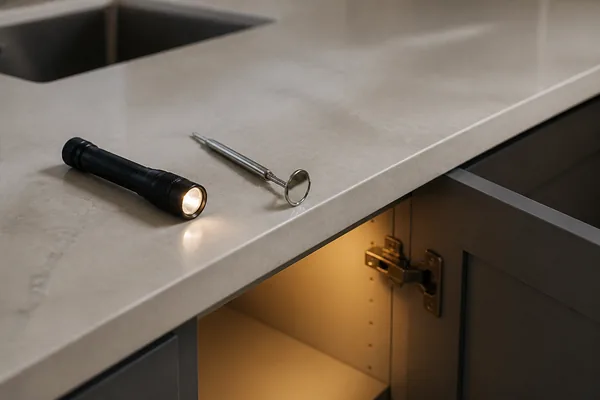
Pests in Al Zumurrud are often mixed types that favour high humidity and salt exposure, so identification is essential before selecting the treatment approach.
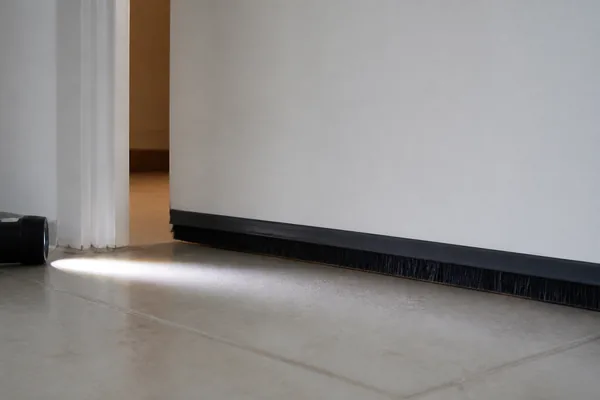
Entry points in chalets and rest houses include cracks near foundations and metal pipework where rust continuously creates new gaps that allow passage.
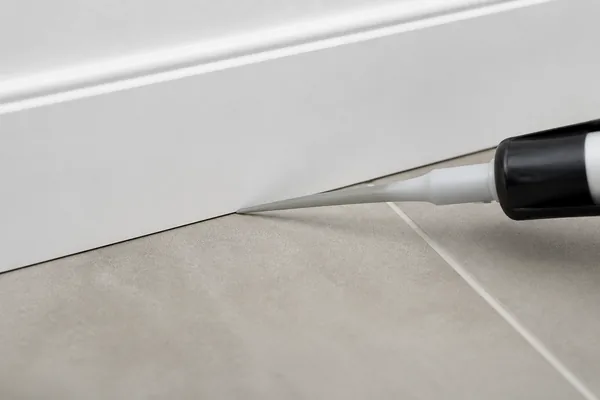
Voids in walls and pipework near salt-affected areas need special treatment because moisture keeps nests damp and viable for longer.
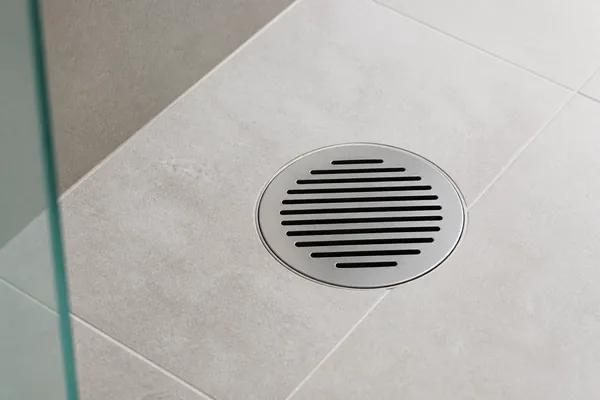
Drains and leaks in Al Zumurrud often trace to corroded metal pipes near beach-facing walls and structural junctions.
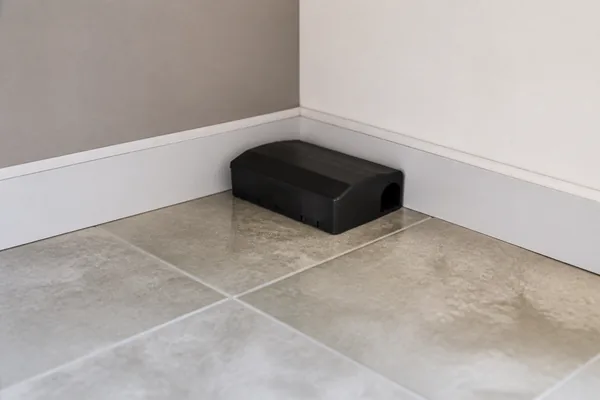
Bait is placed along interior and exterior routes near beach entry points, with special attention to passages between chalets and the water.
Follow-up in Al Zumurrud focuses on rechecking external entry points and metal pipework, since salt and humidity continuously create new gaps.
Droppings, damage and where they appear tell us the pest and roughly where it's nesting.
Gaps around pipes, thresholds and vents are the supply line.
Product goes into voids, cracks and the runways they use, not the open floor.
In the spaces spray can't reach, bait does the work, carried back to reach the nest and the ones that never surface.
Closing the easy entry points turns a constant re-supply into a closed problem, so the treatment isn't fighting a fresh wave every week.
Before leaving we walk the home with you and show you what was treated.
Al Zumurrud sits about 2 km from Al Gharbiyah and about 2.5 km from Al Corniche.
Open in Google MapsSpraying what walks across the floor is the common mistake we're called in to fix.
The company runs a large crew, and we send a team rather than one person.
Ants, cockroaches and rodents each need different products and placements.
If what you have is a one-off that doesn't need treating, or a structural issue for a builder, we tell you.
Photographs from real jobs carried out by the crew.












The commitment is simple enough to actually keep: we show you what was treated, and we stand behind it within the agreed cover.
The team reaches Al Zumurrud by reference to Omar bin Siddiq Attar Mosque and Al Khair Mosque, which anchor the location of houses and chalets precisely. Movement between buildings on the shoreline is organised by these reliable landmarks and clearly marked streets.
We provide these in Al Zumurrud too, and more than one can share a single visit.



