
We treat the source, not the sighting
Spraying what walks across the floor is the common mistake we're called in to fix.

Al Shati Al Thahabi is a newly developed coastal district near Obhur to the north, and year-round high humidity combined with salt air means insects thrive here far faster than inland. The sources are fundamentally different from city quarters farther back.
Coastal humidity makes insects more active and they breed significantly faster than in dry areas, whilst salt-laden particulates from the sea deposit residues that actively attract and sustain them. For the method itself, see the full pest control page.
Salty air and persistent moisture create perfect conditions for insects to breed. Humidity penetrates new walls and foundations, creating hidden spaces where insects live comfortably year round without drought stress.
Housing here is newly built and close to the shoreline, so the sea delivers high humidity, salt deposits and marine-sourced food material that attracts insects directly. The isolation from town means standard treatments face unique obstacles.
Salt in the air affects how certain products adhere to surfaces, and humidity reduces how long they persist. Treatment here requires careful material selection and monitoring visits at higher frequency than inland districts.
The area comprises newly released coastal land with modern housing sitting close to the shoreline. High humidity and salt in the air create an environment that actively supports rapid insect reproduction.
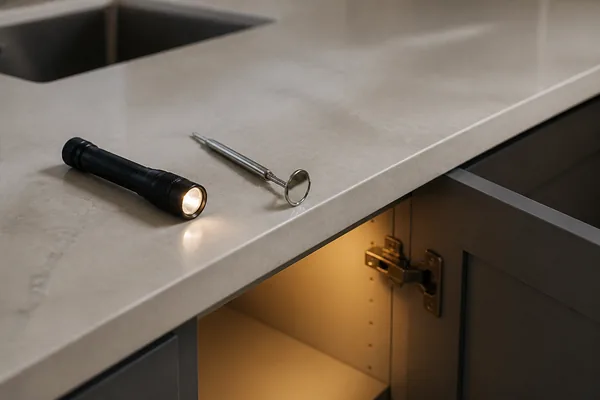
Our inspection focuses on humidity and salt damage to walls and foundations, because high coastal moisture creates hidden environments where insects flourish.
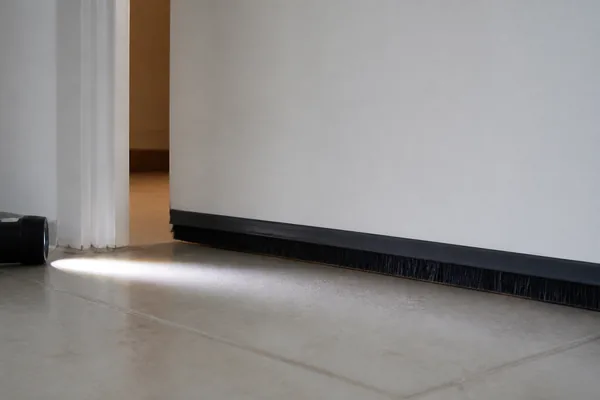
We trace foundation cracks and gaps closely, as coastal humidity seeps through them and attracts insects to underground spaces where they hide and breed.
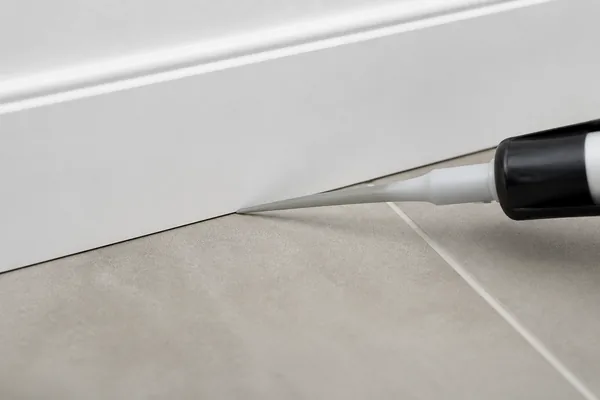
Treating voids takes longer here because humidity reduces how some products work, and we may use several methods to achieve lasting effect.
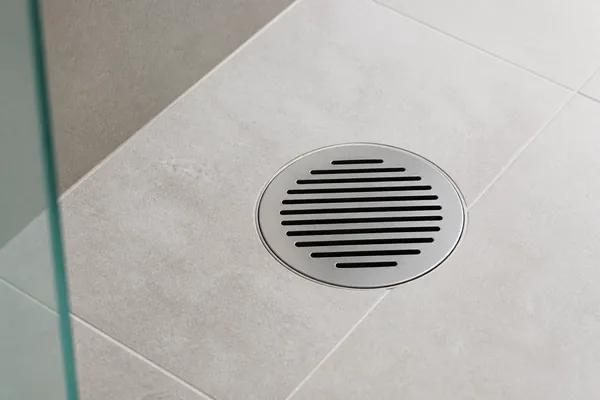
Drains and coastal humidity together create ideal breeding grounds, so we focus on drying damp areas and sealing entry routes from below ground.
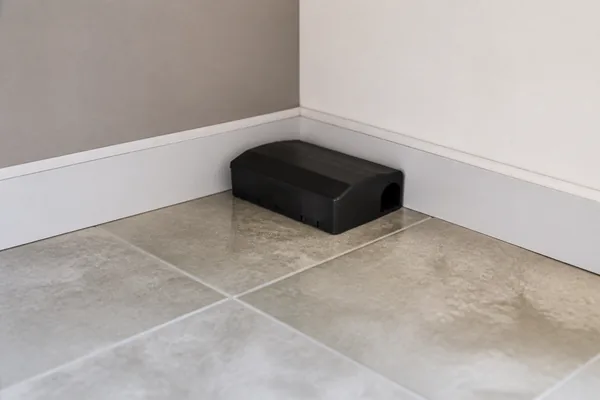
Monitoring bait is placed at higher density here because breeding speed is elevated and insects move more actively in humid conditions.
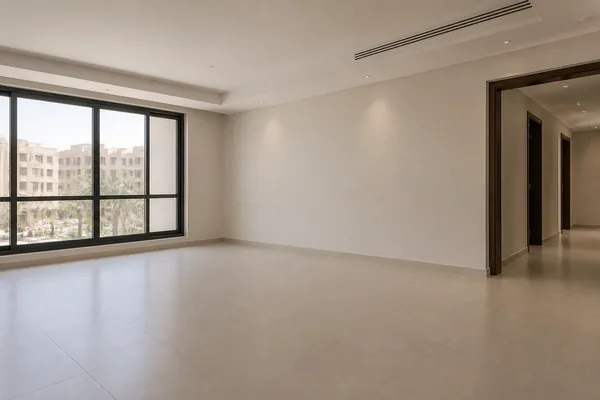
Follow-up visits are scheduled more frequently than in other districts, as the coastal environment supports continuous breeding and reinvasion from the sea.
Droppings, damage and where they appear tell us the pest and roughly where it's nesting.
Gaps around pipes, thresholds and vents are the supply line.
Product goes into voids, cracks and the runways they use, not the open floor.
In the spaces spray can't reach, bait does the work, carried back to reach the nest and the ones that never surface.
Closing the easy entry points turns a constant re-supply into a closed problem, so the treatment isn't fighting a fresh wave every week.
Before leaving we walk the home with you and show you what was treated.
Al Shati Al Thahabi sits about 4 km from Balbeid and about 5.5 km from Al Furqan.
Open in Google MapsSpraying what walks across the floor is the common mistake we're called in to fix.
The company runs a large crew, and we send a team rather than one person.
Ants, cockroaches and rodents each need different products and placements.
If what you have is a one-off that doesn't need treating, or a structural issue for a builder, we tell you.
Photographs from real jobs carried out by the crew.












The commitment is simple enough to actually keep: we show you what was treated, and we stand behind it within the agreed cover.
Coastal area: high humidity and salt air through the year
Coastal here does not simply mean scenic beauty, but constant humidity and salt and permanent insect food from marine deposits. Treatment requires materials that endure this harsh environment and more frequent scheduled monitoring than inland areas.
We provide these in Al Shati Al Thahabi too, and more than one can share a single visit.



