
We treat the source, not the sighting
Spraying what walks across the floor is the common mistake we're called in to fix.
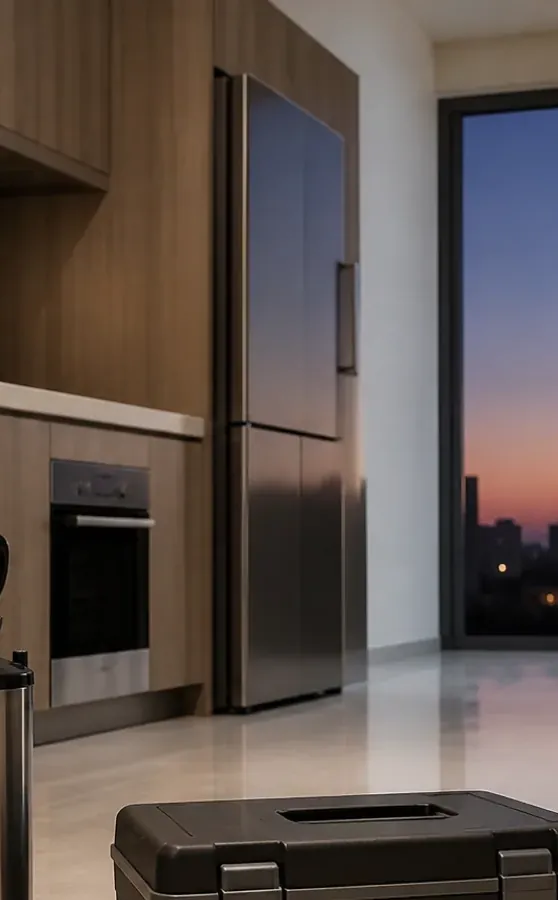
Al Jawharah is a mixed district in south Jeddah on the Makkah Expressway, combining new villas and apartments with car repair shops, small warehouses and sports facilities. Repair shops here attract insects through oil, grease and organic waste, so nearby flats face higher pressure. Insects do not stay in shops alone but move into adjacent flats through shared walls and gaps.
Repair shops and warehouses draw insects strongly through food sources, grease and moisture, so flats close to these workshops report higher infestation pressure than purely residential districts. For the method itself, see our pest control service in detail.
Car repair shops provide rich habitat from oil, grease and organic waste, very strong food sources indeed. Insects from these shops move into neighbouring flats through shared walls and gaps, especially at night when seeking water.
The expressway brings pollution and oily dust that blocks gaps and creates localised damp. Noise and vibration from traffic may speed insect movement from shops toward nearby homes.
Walls between car repair shops and residential flats are partly old and hold gaps, and shared pipes provide direct routes. Treating these gaps is harder because the commercial operators may not be willing to treat their side.
A district in south Jeddah on the Makkah Jeddah Expressway, bordered by Al Ajawid, Prince Fawaz South and Al Sanabel, holding mixed housing from apartments and villas to multi unit blocks, plus car workshops, a sports pitch and public walkway.
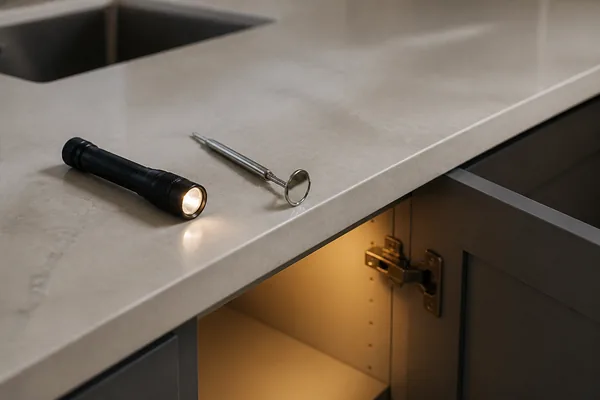
Inspection includes checking shared gaps between your flat and nearby shops, and searching for food sources in adjacent commercial units.
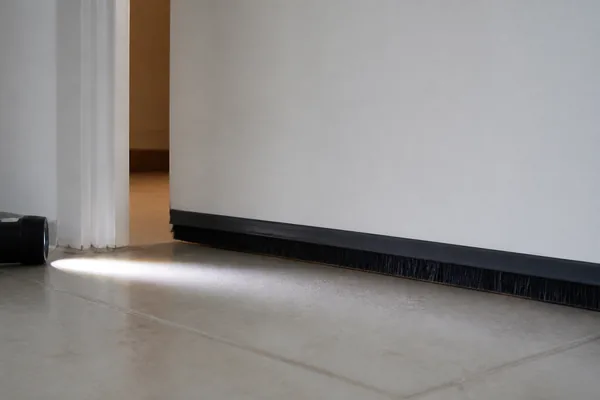
Entry points include gaps around shared pipes and walls between residential and commercial, and openings around shared electrical fixtures.
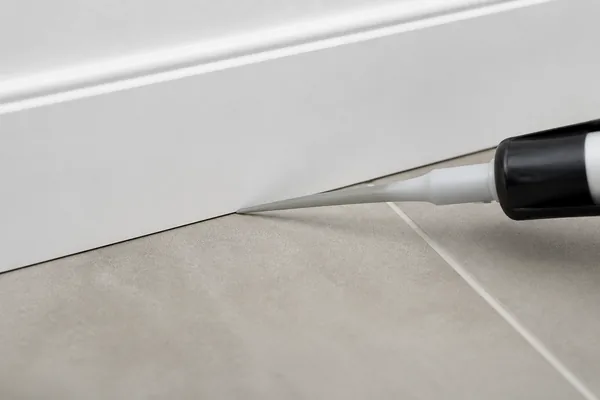
Cracks and gaps around shared pipes are sealed carefully to avoid disrupting services, acknowledging these may be very tight voids.
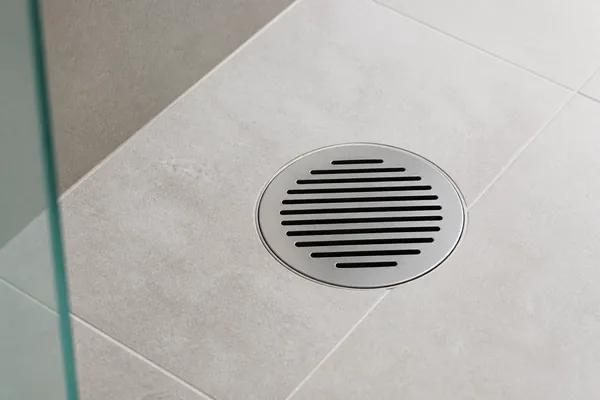
Shared drains and damp areas need special care because grease from shops may mix with water and moisture.
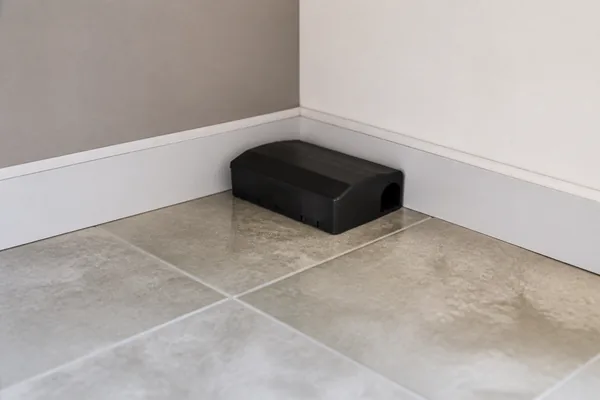
Bait is placed in hallways, shared voids and boundary points between residential and commercial, because insects move along these edges.
Follow-up includes checking new gaps, blocked drains and new activity from neighbouring shops, assessing whether shop owners have treated their side.
Droppings, damage and where they appear tell us the pest and roughly where it's nesting.
Gaps around pipes, thresholds and vents are the supply line.
Product goes into voids, cracks and the runways they use, not the open floor.
In the spaces spray can't reach, bait does the work, carried back to reach the nest and the ones that never surface.
Closing the easy entry points turns a constant re-supply into a closed problem, so the treatment isn't fighting a fresh wave every week.
Before leaving we walk the home with you and show you what was treated.
Spraying what walks across the floor is the common mistake we're called in to fix.
The company runs a large crew, and we send a team rather than one person.
Ants, cockroaches and rodents each need different products and placements.
If what you have is a one-off that doesn't need treating, or a structural issue for a builder, we tell you.
Photographs from real jobs carried out by the crew.












The commitment is simple enough to actually keep: we show you what was treated, and we stand behind it within the agreed cover.
Al Jawharah lies near Prince Abdullah Al-Faisal Stadium and the University of Jeddah road on the Makkah Expressway, making coordination and access to flats and neighbouring shops straightforward across the district.
We provide these in Al Jawharah too, and more than one can share a single visit.



