
We treat the source, not the sighting
Spraying what walks across the floor is the common mistake we're called in to fix.
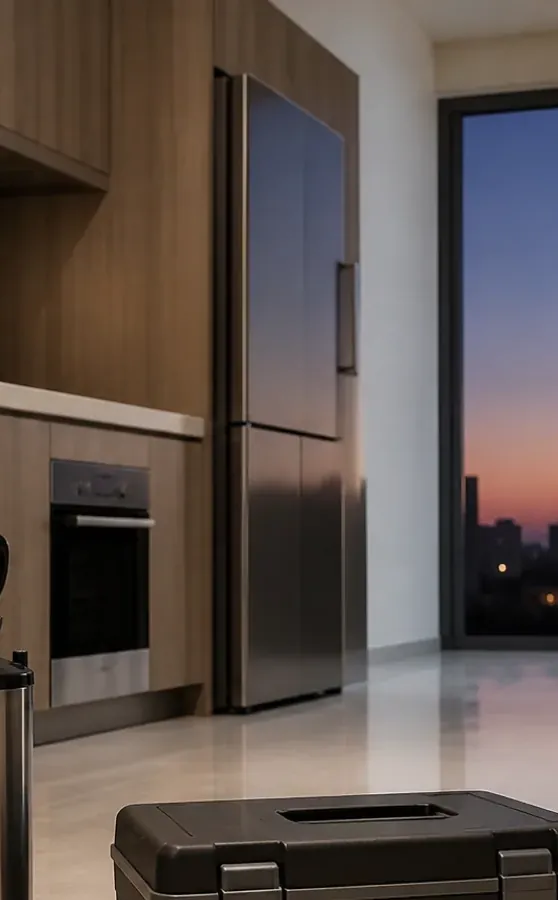
Al Nada is a small residential quarter in east Jeddah within the Taibah sub-municipality, lying just west of Al Mawaddah in a cluster of similar small quarters. The residential character is simple and buildings are old popular construction. Proximity to University of Jeddah Road and Wadi Al Ghawla means seasonal influence from the wadi and main-road traffic. Insects find an environment nearly identical to adjoining quarters, and rapid spread between closely packed small districts makes isolated treatment ineffective.
Al Nada, Al Mawaddah and Al Bayan are nearly identical in construction and conditions. Pests migrate with ease between them because distances are very small. Treating one house may bring no relief, as insects quickly return from the identical adjacent quarters. For the method itself, see the full pest control page.
Al Nada, Al Mawaddah, Al Bayan and Al Nada are nearly alike in build, composition and climate. Pests recognise no boundaries and move with great ease between them. Treatment of one quarter may succeed only temporarily.
Proximity to the wadi means very high seasonal humidity in autumn and winter. This moisture creates ideal pest habitat and drives higher activity. Treatment in autumn and winter is more urgent.
Old popular buildings offer wide gaps and deep cracks. Foundations may be weak and floors poorly sealed. These conditions provide easy insect shelter.
A small residential quarter east of Jeddah with old popular buildings, near University of Jeddah Road and Wadi Al Ghawla, dominated by simple popular housing.
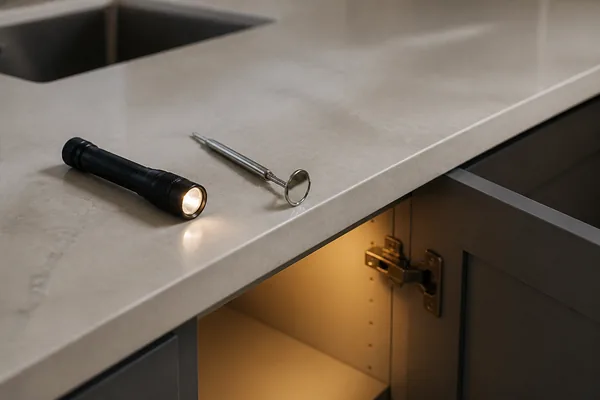
Inspection focuses on gaps and cracks in old buildings, gaps between closely set houses, and damp zones from wadi influence.
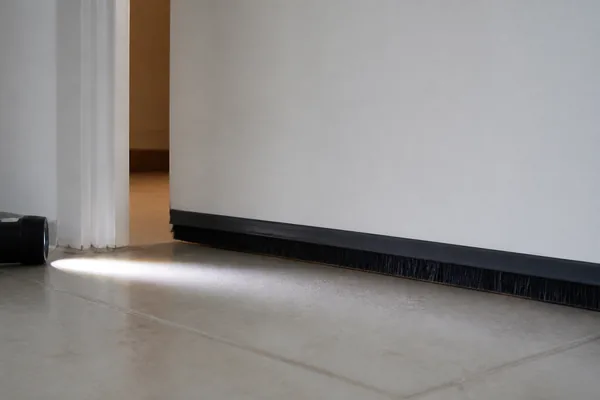
Entry points include wide cracks in old foundations and walls, gaps between houses, poorly sealed doors and windows.
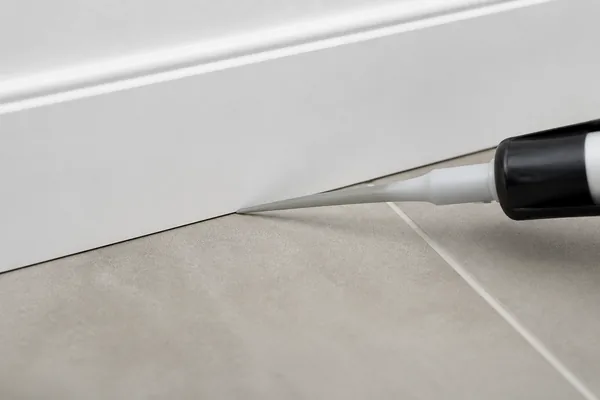
Cracks and gaps need precise comprehensive sealing. Injection or filling with suitable material for old buildings may be needed.
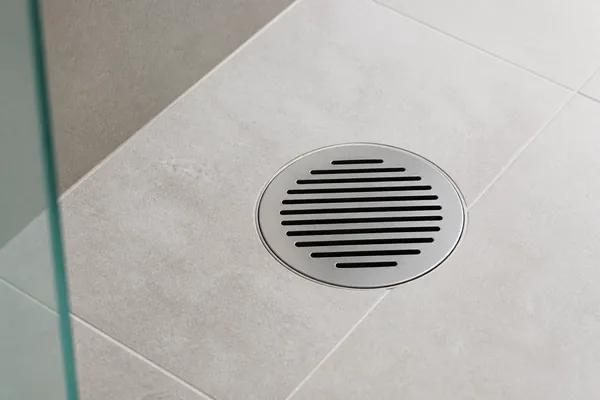
Drains and wadi moisture are seasonal but substantial, with treatment targeting damp zones and open pipes.
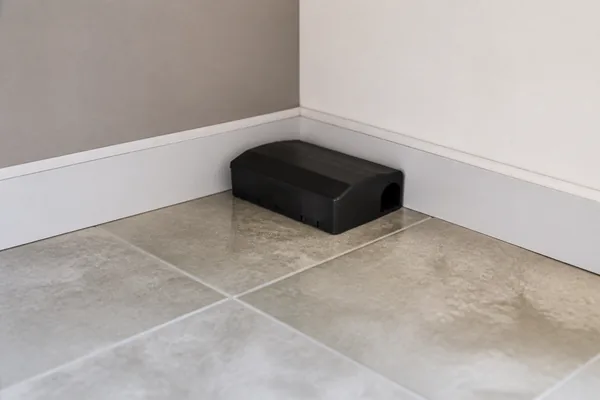
Baits are placed in cracks, gaps, damp areas and dark corners, and around foundations and pipes.
Follow-up requires regular inspection especially after autumn and winter when wadi moisture peaks.
Droppings, damage and where they appear tell us the pest and roughly where it's nesting.
Gaps around pipes, thresholds and vents are the supply line.
Product goes into voids, cracks and the runways they use, not the open floor.
In the spaces spray can't reach, bait does the work, carried back to reach the nest and the ones that never surface.
Closing the easy entry points turns a constant re-supply into a closed problem, so the treatment isn't fighting a fresh wave every week.
Before leaving we walk the home with you and show you what was treated.
Spraying what walks across the floor is the common mistake we're called in to fix.
The company runs a large crew, and we send a team rather than one person.
Ants, cockroaches and rodents each need different products and placements.
If what you have is a one-off that doesn't need treating, or a structural issue for a builder, we tell you.
Photographs from real jobs carried out by the crew.












The commitment is simple enough to actually keep: we show you what was treated, and we stand behind it within the agreed cover.
Work in Al Nada is oriented to University of Jeddah Road as a main reference and the proximity of Wadi Al Ghawla which defines seasonality and moisture levels, as primary geographic anchors for treatment planning.
We provide these in Al Nada too, and more than one can share a single visit.



