
We treat the source, not the sighting
Spraying what walks across the floor is the common mistake we're called in to fix.
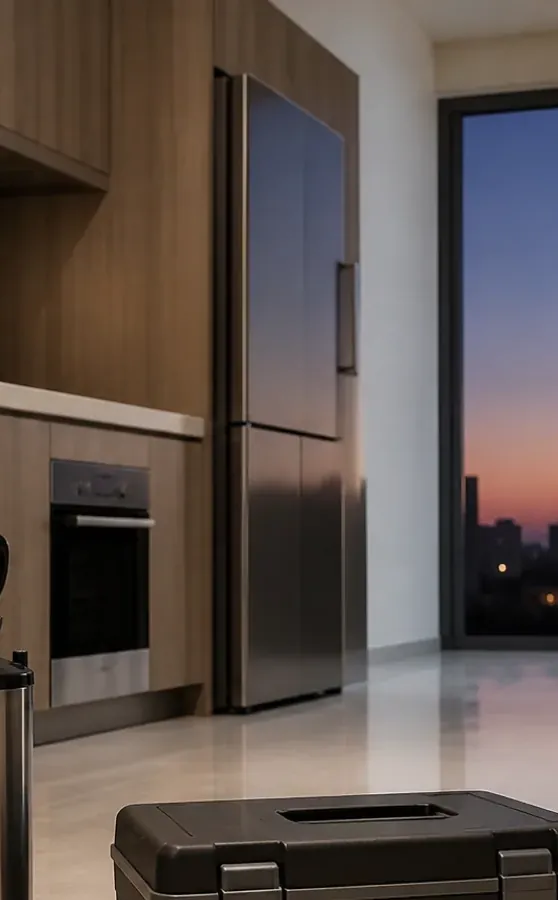
Al Zahra is a mixed commercial and residential district between King Abdulaziz Road and Hira Street, where shops occupy ground floors and flats sit directly above them, alongside hospitals and high-traffic intersections. Insects move freely between units through shared drains, voids and service openings, and enter shops through daily deliveries and supplies. Treating one unit without addressing the shared passages and the shop below leaves the source intact and the problem recurring.
In mixed-use buildings here, the problem rarely sits in one flat or one shop alone. The real source is often the movement between units and the shared voids underneath them that no single resident controls. For the method itself, see the full pest control page.
Shops and flats above them share pipework and the gaps around cables and conduits. Insects enter the shop with deliveries and stock, then travel up to the flat through shared service voids. Treating the flat alone while the shared drains remain untreated means the source stays active and pests continue upward. The work must cover both the shop and the connecting passages at once.
Hospitals nearby mean daily movements, vehicles, stock deliveries and waste collection. Shops adjacent to the hospitals receive cardboard, food supplies and packages daily, ideal transport for insects. The commercial intensity and nearby medical activity means a stronger preventive baseline and closer follow-up cycles than quieter neighbourhoods.
Shops leave food scraps and spillage; flats above generate kitchen moisture and drain condensation. This combination attracts different pest types to the same building. Treating only the residential part ignores the shop environment that seeds the problem from below. The treatment must address both the commercial and residential sources and the shared passages linking them.
Ground-floor shops and flats above them share drains, electrical conduits, and ventilation pathways. Insects move between them without barrier, and shops receive constant deliveries that carry pests inside the building envelope.
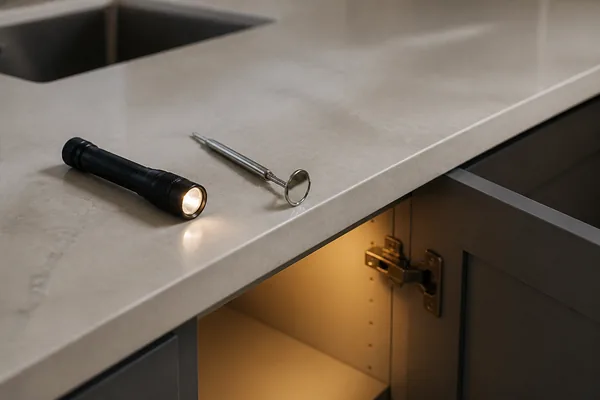
In mixed-use buildings we identify the pest type from evidence in both the shop and the flat, and from the shared voids that often harbour multiple species and harbour sources from both spaces.
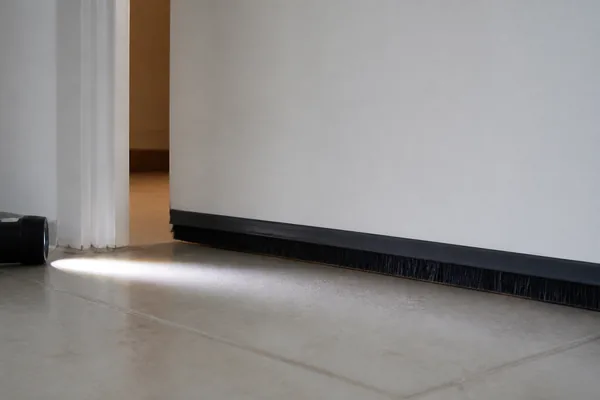
Entry is usually through deliveries and stock into the shop, and upward through shared drains and gaps around conduits. We trace the routes in both spaces and identify which voids connect them and allow upward movement.
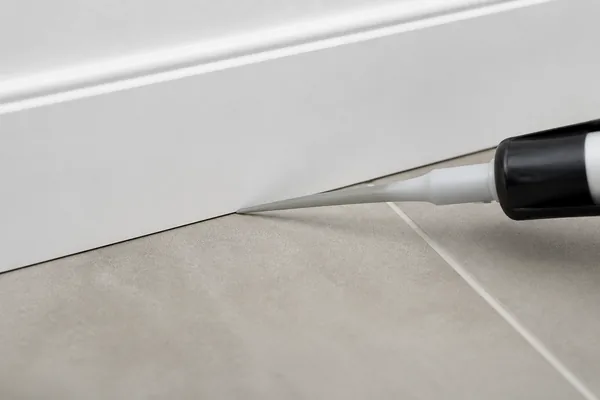
Cracks in shared service areas and cracked shared drains need treatment from both sides. We focus on gaps around pipes, cable conduits, and hollow spaces in shared walls between the shop and flat above.
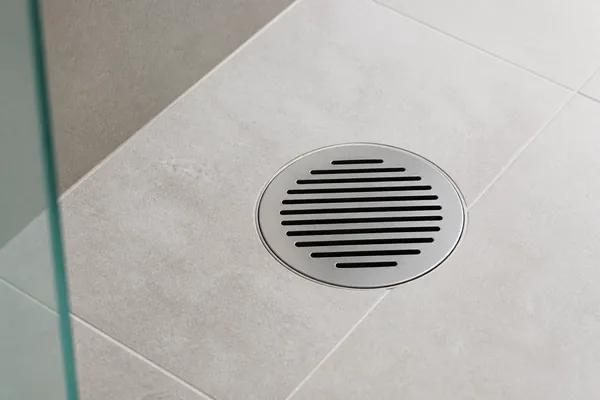
Drains serving the shop and flat run together or share sections underground. We treat moisture zones around the drains and clear sediment and debris that attract insects from both the commercial and residential sides.
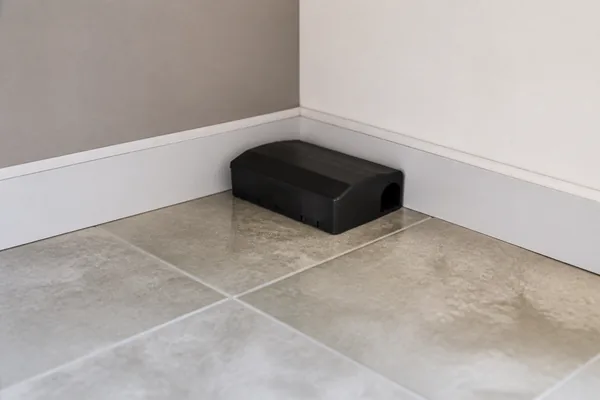
Baits are positioned in the pest routes within the shop, the voids, and the flat. We focus on shop corners, food prep areas, dark voids and drain openings where insects travel between the two occupied levels.
Follow-up in Al Zahra needs closer spacing because shared voids can bring new pests down from the shop or across from adjoining units. We agree a schedule and inspect both the shop and flat together to track changes across the whole system.
Droppings, damage and where they appear tell us the pest and roughly where it's nesting.
Gaps around pipes, thresholds and vents are the supply line.
Product goes into voids, cracks and the runways they use, not the open floor.
In the spaces spray can't reach, bait does the work, carried back to reach the nest and the ones that never surface.
Closing the easy entry points turns a constant re-supply into a closed problem, so the treatment isn't fighting a fresh wave every week.
Before leaving we walk the home with you and show you what was treated.
Mixed district: shops at street level with homes above them
In a mixed-use building, insects do not distinguish between shop and flat. Stock and deliveries bring them in below, and shared voids link the two spaces without a seal. Treatment must account for both the commercial sources and residential environment and seal the passages that connect them.
Spraying what walks across the floor is the common mistake we're called in to fix.
The company runs a large crew, and we send a team rather than one person.
Ants, cockroaches and rodents each need different products and placements.
If what you have is a one-off that doesn't need treating, or a structural issue for a builder, we tell you.
Photographs from real jobs carried out by the crew.












The commitment is simple enough to actually keep: we show you what was treated, and we stand behind it within the agreed cover.
In Al Zahra between King Abdulaziz Road and Hira Street, the work focuses on shared voids and drains linking shops and flats. Near Al Zahra Hospital and the Saudi German Hospital, daily deliveries and supply movements are heavy, so we concentrate on entry points from the commercial ground floor and the shared drain pathways feeding upward.
We provide these in Al Zahra too, and more than one can share a single visit.



