
We treat the source, not the sighting
Spraying what walks across the floor is the common mistake we're called in to fix.
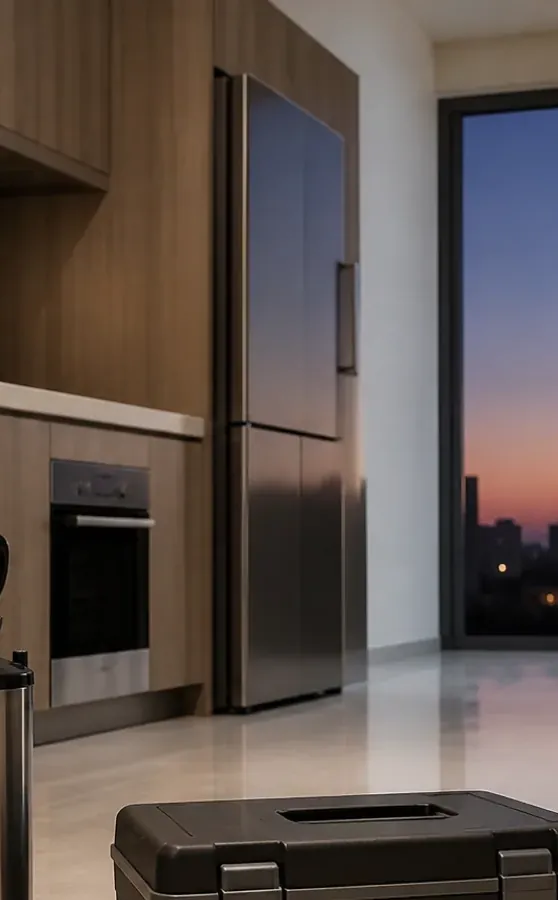
Al Huthaifat is an unplanned quarter on Jeddah's southern edge without ordered street grids, scattered low-rise homes built on unstable ground near the Old Makkah Road and expressway. Cracked foundations and unpaved streets let insects enter directly from the soil, and the nearby cemetery and vacant land add continuous pressure. The ground beneath is not stable, so new cracks form and insects use them.
Unpaved streets bring dust and sand into homes continuously, and insects slip through wide cracks in foundations without any barrier or gate slowing them. For the method itself, see the full pest control page.
Building on unstable soil creates wide foundation cracks, and insects enter these gaps straight into lower rooms without passing through doors. Surface treatment cannot reach these deep underground entry points.
Lack of paving leaves streets sandy and rutted, so insects move easily beneath the surface from house to house. There is no barrier between open ground and the foundations, and the routes stay open all the time.
The cemetery and wide open plots provide an ideal habitat for insects, and standing water in ruts and wet soil draws them strongly. This external pressure is continuous, making single treatments insufficient.
The quarter lies beside the Al Huthaifat cemetery and heavy commercial roads. Unstable soil beneath the homes causes constant cracks in foundations and floor tiles, making the buildings permeable to ground dwelling insects.
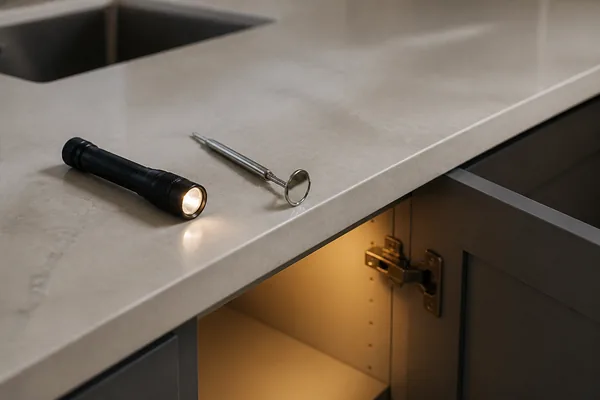
Different species enter from different sources, either directly from soil or from vacant land, so precise identification determines the treatment strategy here.
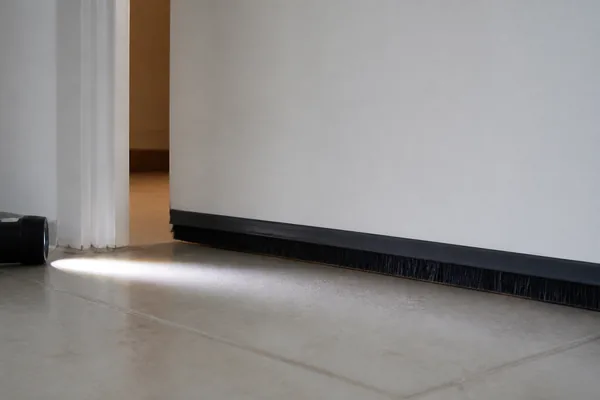
The Al Huthaifat cemetery and the Old Makkah Road mark where external pressure comes from, and inspection starts by facing those directions.
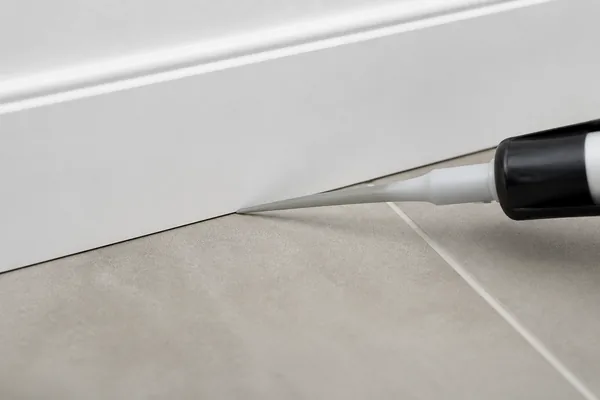
Wide cracks in foundations and gaps around underground pipes need deep treatment and tight sealing to cut off direct access.
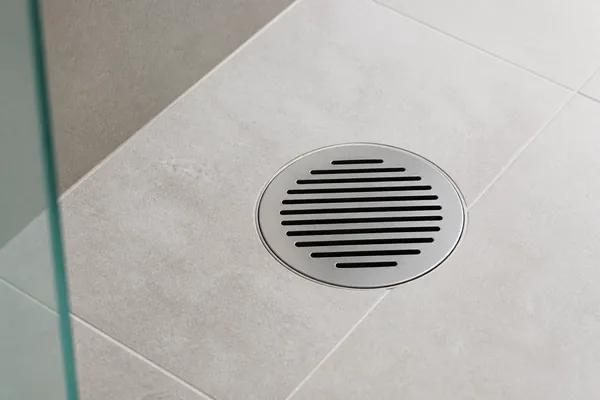
Moisture from vacant land and seepage concentrates in lower corners, which are key nesting sites and need special treatment.
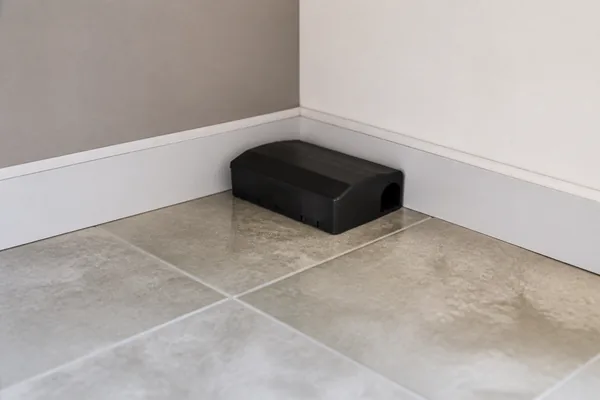
We place bait along the first lines of defence near the foundation inside and out, to intercept insects before they reach the floors.
Follow-up checks focus on sealing new cracks in the foundation and inspecting the outer zone after rain or ground shifts.
Droppings, damage and where they appear tell us the pest and roughly where it's nesting.
Gaps around pipes, thresholds and vents are the supply line.
Product goes into voids, cracks and the runways they use, not the open floor.
In the spaces spray can't reach, bait does the work, carried back to reach the nest and the ones that never surface.
Closing the easy entry points turns a constant re-supply into a closed problem, so the treatment isn't fighting a fresh wave every week.
Before leaving we walk the home with you and show you what was treated.
Spraying what walks across the floor is the common mistake we're called in to fix.
The company runs a large crew, and we send a team rather than one person.
Ants, cockroaches and rodents each need different products and placements.
If what you have is a one-off that doesn't need treating, or a structural issue for a builder, we tell you.
Photographs from real jobs carried out by the crew.












The commitment is simple enough to actually keep: we show you what was treated, and we stand behind it within the agreed cover.
Al Huthaifat sits close to the well-known Al Huthaifat cemetery and the expressway towards Makkah, which marks where external pressure on the homes is concentrated. Access to the house comes via the Old Makkah Road, and treatment starts from the direction where insects approach from the surrounding vacant ground.
We provide these in Al Huthaifat too, and more than one can share a single visit.



