
We treat the source, not the sighting
Spraying what walks across the floor is the common mistake we're called in to fix.
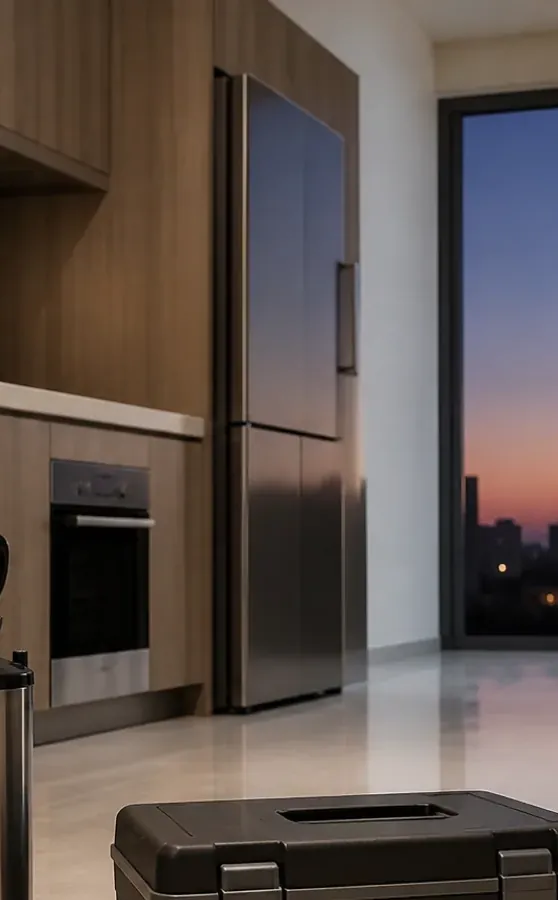
Al Qawzain is the southernmost coastal strip of Jeddah on the southern corniche, with seaside rest houses fronting an open beach near Al Seef Beach. Direct seafront location means very high humidity all year round, and sea salt penetrates everything. A nearby sewage treatment works and iron factory provide ideal moist and nutrient-rich conditions for pests.
Rest houses stand very close to the water and humidity is extremely high throughout the year. Moisture does not drop even at night, and salt deposits on every surface. Insects here never enter dormancy and breed year-round. For the method itself, see our guide to pest control.
Rest houses sit directly on the beach, humidity is very high year-round. Direct coastal environment provides constant moisture not found in any inland district. Insects breed at doubled rate here.
The sewage plant and iron factory provide continuous nutrient load and moisture pressure for insects. Permanent external sources mean treatment must be sustained to maintain control.
Salt accelerates deterioration of sealant and caulking around pipes and voids. Gaps widen rapidly, and salt water seepage creates ideal environment for coastal pest species.
The southernmost coastal strip on the southern corniche, bounded by King Faisal Road to the north and the corniche street to the west. Seafront rest houses and open beach with a sewage treatment plant and iron works nearby.
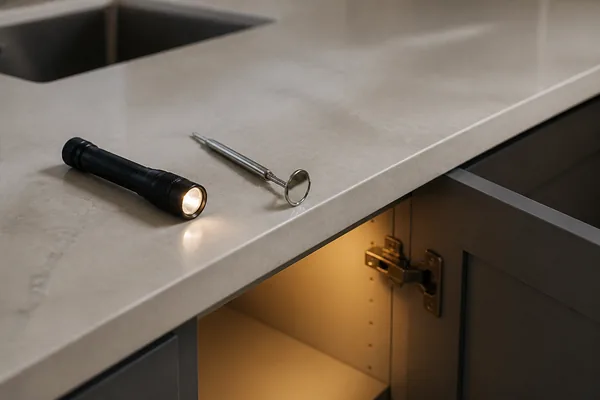
Direct beachfront location means high humidity year-round, and inspection focuses on salt-widened gaps and deteriorating seals.
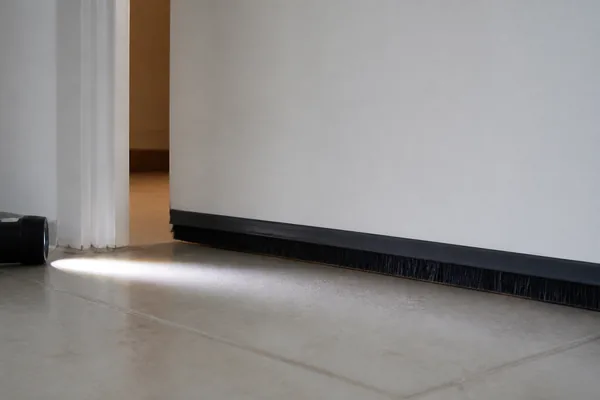
Sewage plant and nearby factory provide permanent external sources, so treatment focuses on perimeter and external openings.
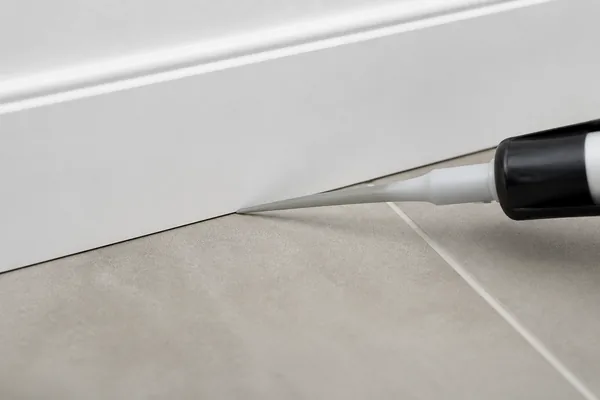
Salt accelerates sealant degradation, requiring more frequent gap checks and resealing.
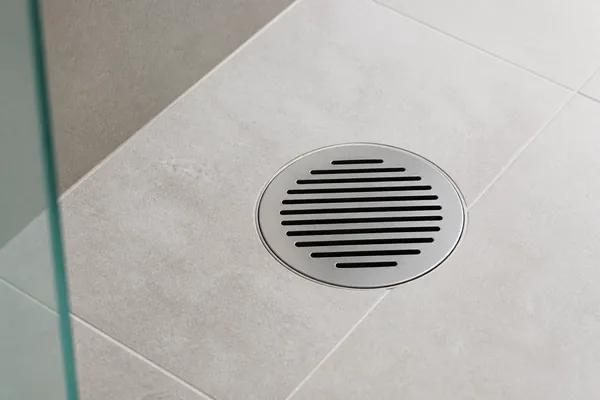
Drains near the beach need targeted treatment at leak points and openings.
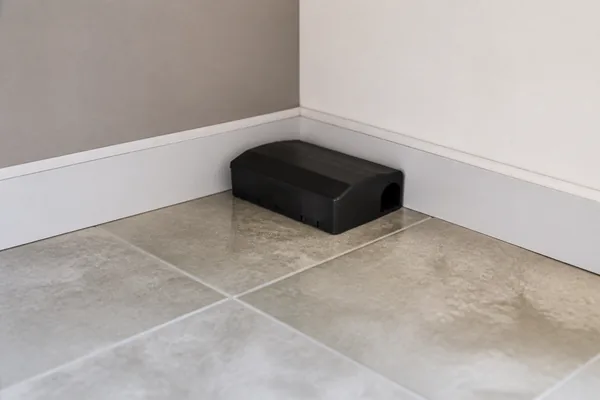
Exterior perimeter baits and gap treatment take priority over interior focus, as pressure comes from outside.
Follow-up is continuous and monthly minimum due to external sources and year-round humidity.
Droppings, damage and where they appear tell us the pest and roughly where it's nesting.
Gaps around pipes, thresholds and vents are the supply line.
Product goes into voids, cracks and the runways they use, not the open floor.
In the spaces spray can't reach, bait does the work, carried back to reach the nest and the ones that never surface.
Closing the easy entry points turns a constant re-supply into a closed problem, so the treatment isn't fighting a fresh wave every week.
Before leaving we walk the home with you and show you what was treated.
Spraying what walks across the floor is the common mistake we're called in to fix.
The company runs a large crew, and we send a team rather than one person.
Ants, cockroaches and rodents each need different products and placements.
If what you have is a one-off that doesn't need treating, or a structural issue for a builder, we tell you.
Photographs from real jobs carried out by the crew.












The commitment is simple enough to actually keep: we show you what was treated, and we stand behind it within the agreed cover.
South Jeddah runs from the port and the industrial city down towards Al Khumrah, and homes here sit between the sea and the heavy goods roads. The dust is darker and oilier than in the north, a mix of diesel soot and workshop grit, and it clings to net curtains, window sills and the tops of kitchen cupboards. Floors in the older low rise housing are often plain cement or ceramic tile that darkens where soot is walked in. Humidity from the coast adds mildew in bathrooms and a musty smell in stored fabrics.
We provide these in Al Qawzain too, and more than one can share a single visit.



