
We treat the source, not the sighting
Spraying what walks across the floor is the common mistake we're called in to fix.
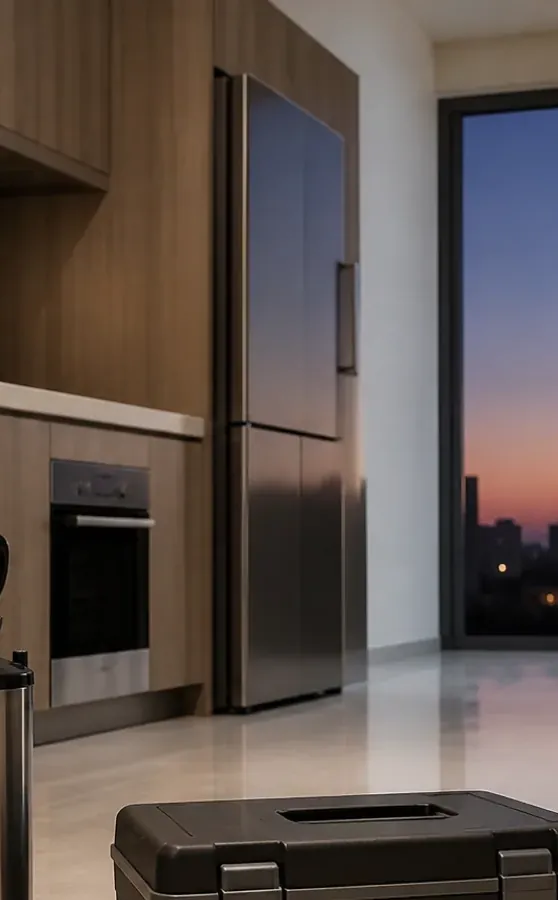
Al Sarawriyah is an industrial district south along Al Laith Expressway with distribution warehouses, shops, clinics and mixed housing, close to markets, ports and the refinery. Heavy industrial dust and humidity provide an ideal breeding ground, and warehouses hold abundant materials that attract pests. Treatment focuses on the warehouses and industrial sources more than ordinary housing.
Warehouse dust and stored goods attract pests heavily, and humidity from the nearby sea combined with heavy dust creates a rich environment for rapid colony growth. For the method itself, see our guide to pest control.
Warehouses hold food materials and diverse stock that attract pests intensely. Moisture and odour from storage provide strong attraction. Pests living in warehouses move into adjacent shops and flats nightly.
Dust from warehouses and heavy traffic deposits on every surface. Sea humidity mixes with heavy industrial dust creating a damp oily environment highly attractive to pests.
Shared pipes and gaps between warehouses, shops and flats provide direct pest passages. Treating the flat alone fails because pests return from untreated adjacent warehouses.
The zone is industrial with large distribution warehouses, vegetable and livestock markets, medical facilities and commercial premises along Al Laith Expressway, close to ports and supply routes.
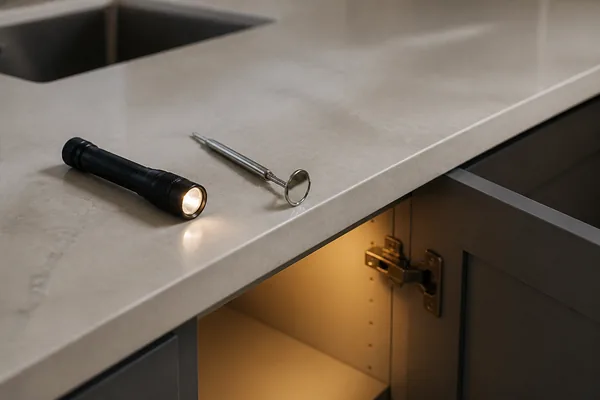
Industrial zones host pest species specialised to warehouses and markets. Accurate identification is essential to select treatment and materials suited to the environment.
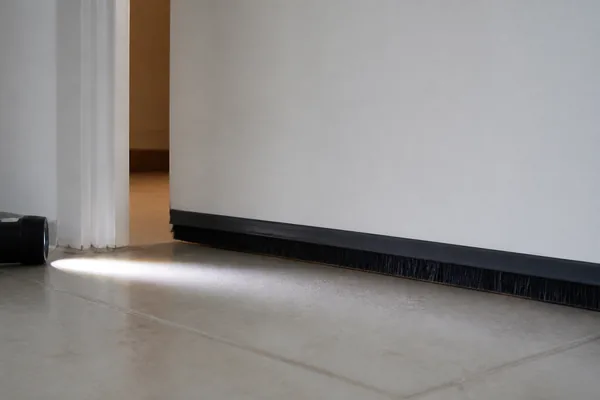
Primary entry points are gaps between warehouses, shops and flats, voids around shared pipes, and openings in external walls and roofs.
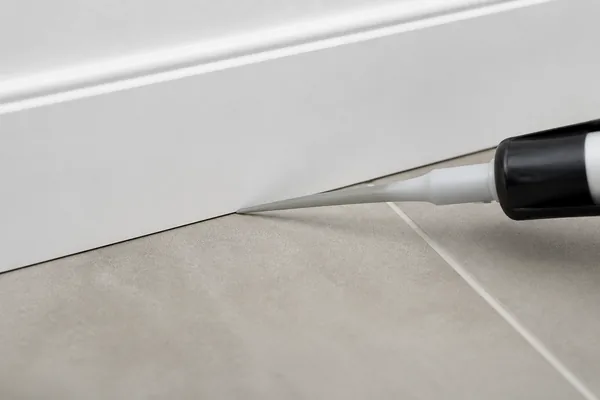
We treat gaps between warehouses and flats firmly and focus on cracks around vertical pipes because they are shared routes between warehouse and housing.
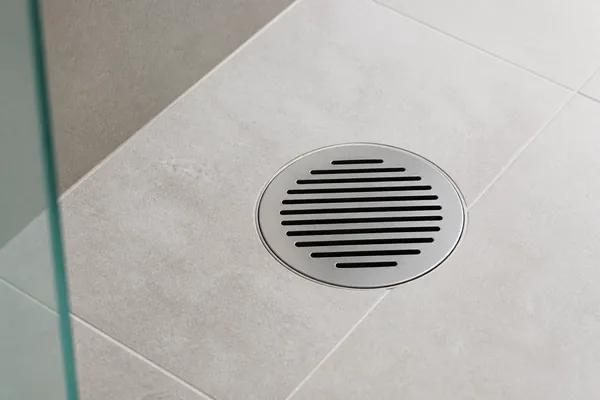
Shared drains and damp pipes attract pests from warehouses, shops and flats together. Treating them from all sides is essential to cut shared sources.
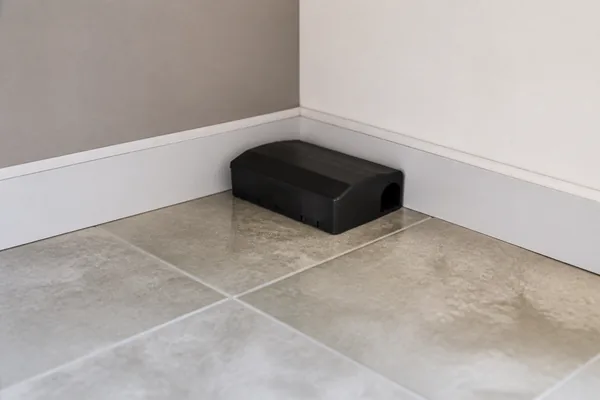
We place baits around warehouse-flat interfaces, in damp corners, drains and along night-time movement routes.
Follow-up in industrial zones occurs at least monthly and we may need biweekly treatments if adjacent warehouses remain untreated. Coordination with neighbouring businesses is important for real control.
Droppings, damage and where they appear tell us the pest and roughly where it's nesting.
Gaps around pipes, thresholds and vents are the supply line.
Product goes into voids, cracks and the runways they use, not the open floor.
In the spaces spray can't reach, bait does the work, carried back to reach the nest and the ones that never surface.
Closing the easy entry points turns a constant re-supply into a closed problem, so the treatment isn't fighting a fresh wave every week.
Before leaving we walk the home with you and show you what was treated.
Spraying what walks across the floor is the common mistake we're called in to fix.
The company runs a large crew, and we send a team rather than one person.
Ants, cockroaches and rodents each need different products and placements.
If what you have is a one-off that doesn't need treating, or a structural issue for a builder, we tell you.
Photographs from real jobs carried out by the crew.












The commitment is simple enough to actually keep: we show you what was treated, and we stand behind it within the agreed cover.
Industrial area: workshops, warehouses and loading yards
Industrial means pests come from warehouses, markets and factories around your home, not from the residence alone. Treating the home in isolation may stop the problem only temporarily unless the industrial sources are also treated.
We provide these in Al Sarawriyah too, and more than one can share a single visit.



