
We treat the source, not the sighting
Spraying what walks across the floor is the common mistake we're called in to fix.
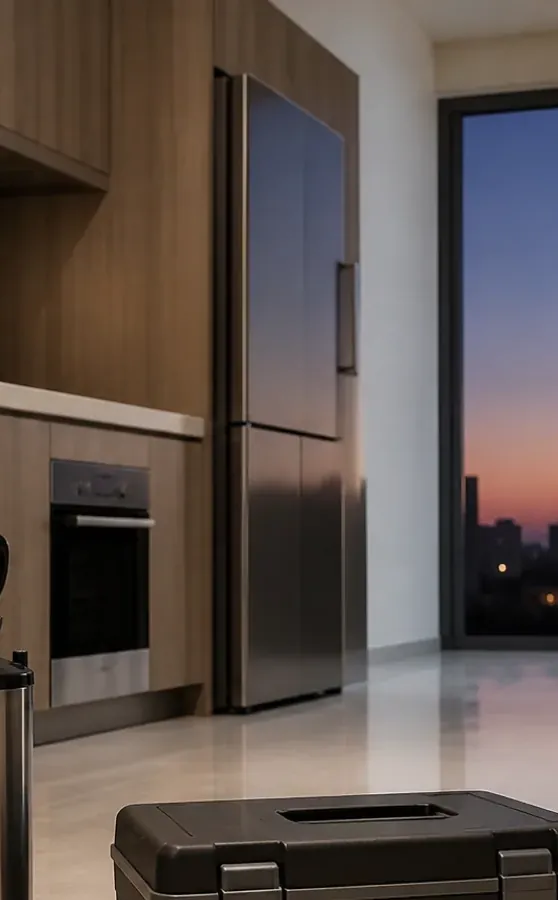
Al Widad is a small eastern neighbourhood with modest housing and ground floor shops, located away from central Jeddah but exposed to insects from open land and busy roads nearby. Pressure here is seasonal rather than constant, but treatment demands precision because housing and commercial use overlap.
Insects peak in Al Widad during spring and summer, arriving from outside the district more than establishing permanent presence within it. For the method itself, see our pest control service in detail.
The main Asfan Road carries pests from wide areas, and pressure rises in warm months. Insects pass through rather than settle in the district, seeking food in shops and homes. Treatment must assume infestation is transient, not chronic, so external sealing matters as much as indoor treatment.
Open ground around the district harbours insects in large numbers, especially cockroaches and ants. Unfinished building sites provide damp, shaded environments perfect for breeding. These are continuous external sources, so internal sealing becomes the primary defence.
Local shops may not maintain high hygiene standards, and goods moved from distant warehouses can carry pests. Treatment focuses on entry points and drains rather than stock, since the real source is external traffic, not storage.
Asfan Road brings insects from distant areas, and empty land around the district supplies recurring sources during certain seasons.
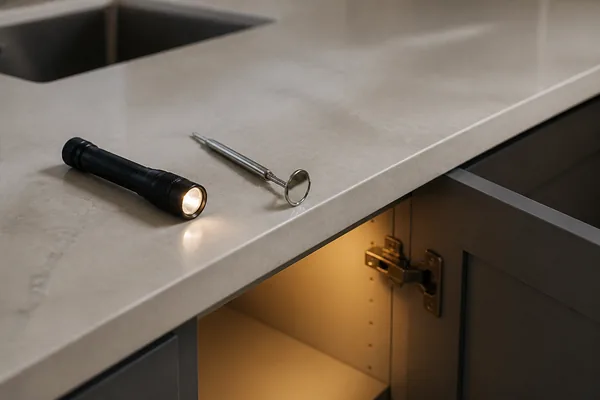
Inspection determines whether insects are established inside the flat and shop, or simply entering them in search of food and water.
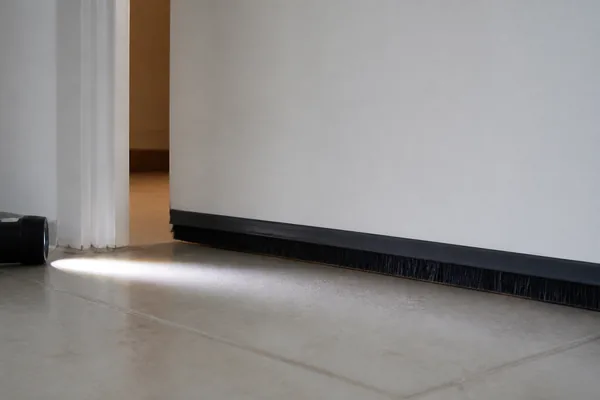
Main entry points around windows, doors and gaps under foundations are sealed first, as external pressure is constant.
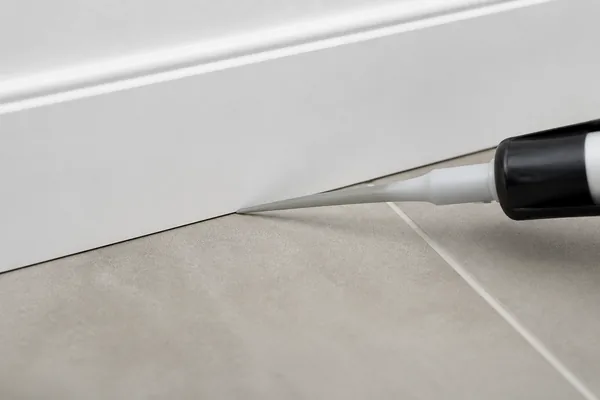
Internal cracks around drains and pipework are treated because insects hide in them before seeking food.
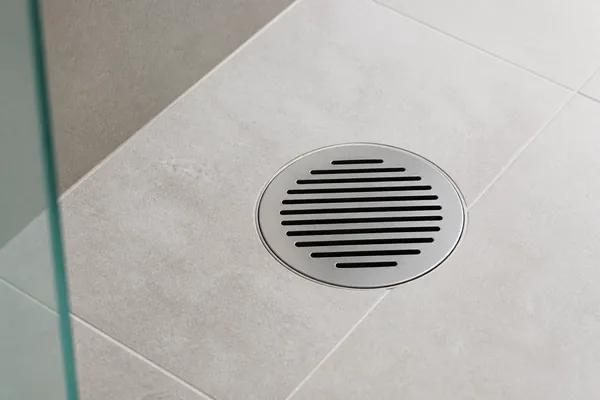
Drains are inspected and cleaned thoroughly, as stagnant water and fat residue strongly attract pests arriving from the roads.
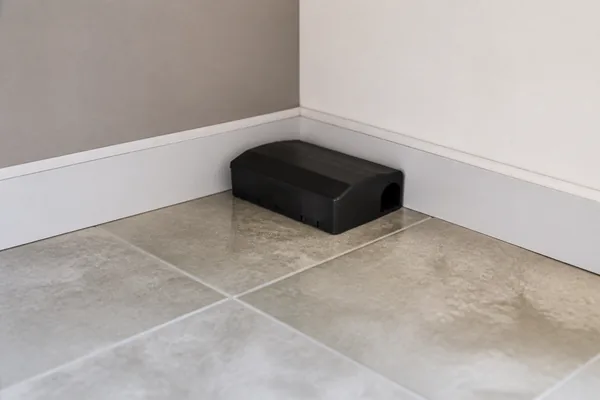
Bait is placed near entry points, drains and dark corners, following the likely routes of incoming insects.
Follow-up focuses on entry points and bait stations because infestation here is usually transient, not chronic.
Droppings, damage and where they appear tell us the pest and roughly where it's nesting.
Gaps around pipes, thresholds and vents are the supply line.
Product goes into voids, cracks and the runways they use, not the open floor.
In the spaces spray can't reach, bait does the work, carried back to reach the nest and the ones that never surface.
Closing the easy entry points turns a constant re-supply into a closed problem, so the treatment isn't fighting a fresh wave every week.
Before leaving we walk the home with you and show you what was treated.
Spraying what walks across the floor is the common mistake we're called in to fix.
The company runs a large crew, and we send a team rather than one person.
Ants, cockroaches and rodents each need different products and placements.
If what you have is a one-off that doesn't need treating, or a structural issue for a builder, we tell you.
Photographs from real jobs carried out by the crew.












The commitment is simple enough to actually keep: we show you what was treated, and we stand behind it within the agreed cover.
Mixed district: shops at street level with homes above them
Mixed district means shops below flats, with constant goods movement bringing fresh insects. Shops risk re-contamination from distant warehouses, so follow-up is more critical for shops than for residential flats.
We provide these in Al Widad too, and more than one can share a single visit.



