
We treat the source, not the sighting
Spraying what walks across the floor is the common mistake we're called in to fix.

Dhahban West is an old coastal village on the Red Sea north of Jeddah with scattered homes, open land and a heritage of fishing. High coastal humidity and gardens and farms surrounding the homes attract insect species different from inland neighbourhoods. Tourism from the nearby resort adds additional pressure to pest management efforts and regular follow-up cycles.
High humidity is permanent and unbroken. Plants around homes require constant irrigation that attracts moisture-dependent insects throughout the year. For the method itself, see how we approach pest control.
Gardens and plants surrounding coastal rural homes are actively cultivated and regularly watered. Moisture, vegetation and damp soil provide ideal insect habitat year-round without seasonal breaks.
Salty sea air and high moisture speed breeding and activity even in winter months. Salt penetrates cracks and maintains internal dampness constantly.
The nearby Durrat Al Arus resort brings additional pressure to the rural area through movement, goods and visitor traffic. Deliveries and food supplies from the resort may carry insects into the rural neighbourhood.
The western side of the coastal village of Dhahban on the Red Sea north of Jeddah, a rural area with scattered homes and heritage rooted in fishing and cultivation, later developed as a tourism destination.
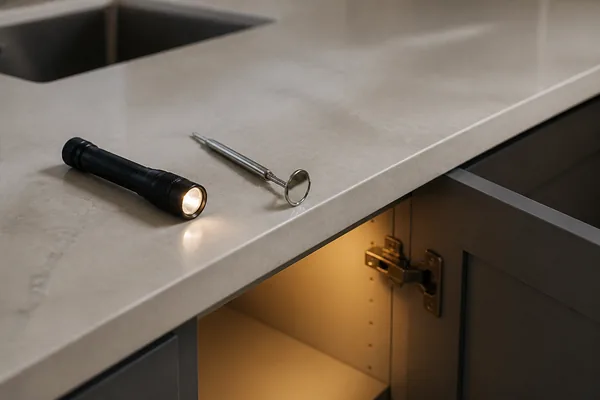
In a coastal rural area we inspect gardens, plants and soil first, because most insects originate from outside the building.
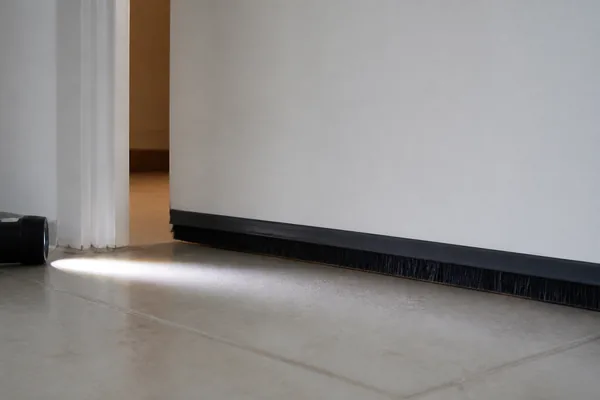
We trace entry points from the sea, beach, farms and vegetation surrounding the home.
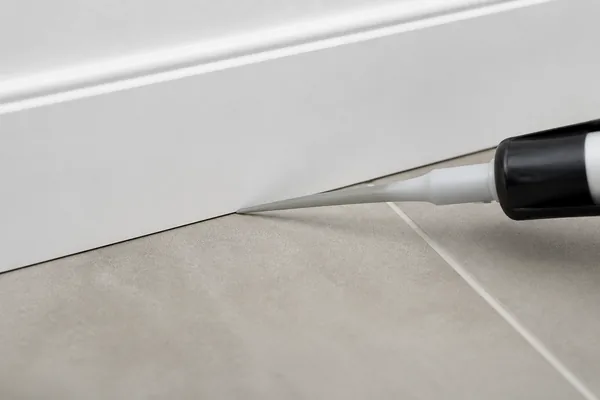
Cracks and gaps around the foundation are sealed with salt and moisture-resistant materials that tolerate movement.
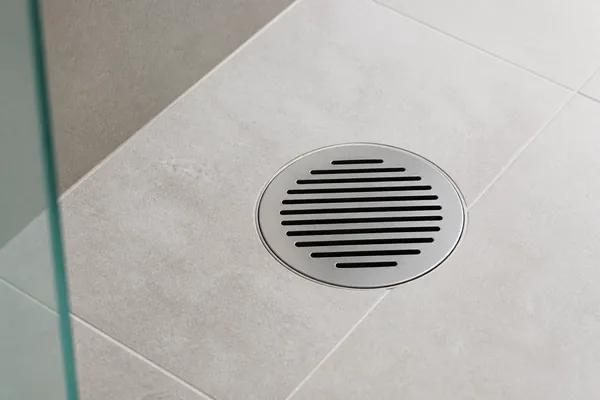
Drains around the home and moisture from irrigation and saturated soil require continuous monitoring.
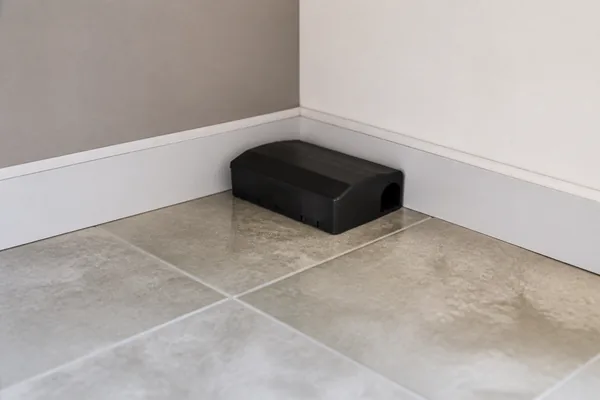
Bait is placed in gardens and farms and around the home both outdoors and indoors simultaneously.
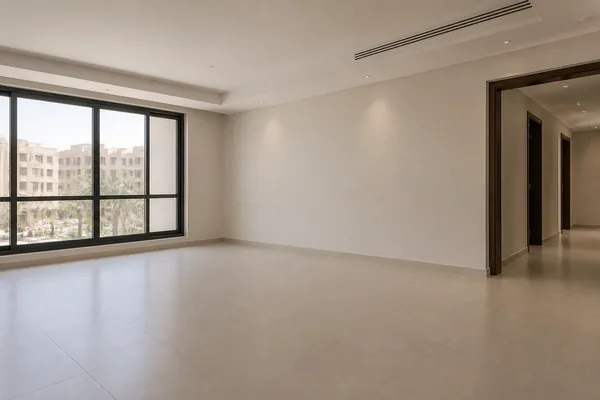
Coastal rural follow-up never stops because permanent humidity, vegetation and tourist activity maintain continuous insect pressure.
Droppings, damage and where they appear tell us the pest and roughly where it's nesting.
Gaps around pipes, thresholds and vents are the supply line.
Product goes into voids, cracks and the runways they use, not the open floor.
In the spaces spray can't reach, bait does the work, carried back to reach the nest and the ones that never surface.
Closing the easy entry points turns a constant re-supply into a closed problem, so the treatment isn't fighting a fresh wave every week.
Before leaving we walk the home with you and show you what was treated.
Spraying what walks across the floor is the common mistake we're called in to fix.
The company runs a large crew, and we send a team rather than one person.
Ants, cockroaches and rodents each need different products and placements.
If what you have is a one-off that doesn't need treating, or a structural issue for a builder, we tell you.
Photographs from real jobs carried out by the crew.












The commitment is simple enough to actually keep: we show you what was treated, and we stand behind it within the agreed cover.
Dhahban West sits on the Red Sea near Dhahban Park, King Abdulaziz Road and Durrat Al Arus Resort, which defines the coastal location and the natural and tourism environment surrounding the homes.
We provide these in Dhahban West too, and more than one can share a single visit.



