
We treat the source, not the sighting
Spraying what walks across the floor is the common mistake we're called in to fix.
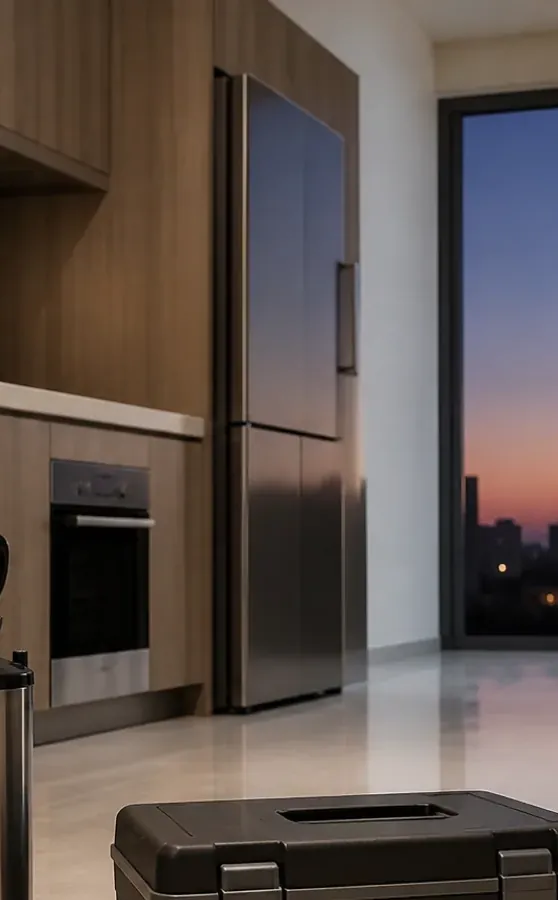
Al Sabeel is an old apartment district between Old Makkah Road and King Khalid Street, with tightly packed blocks separated by narrow lanes and shared plumbing between units. Insects here move easily between flats through shared pipes and passageways, and treatment isolates each unit and seals the routes where they spread.
Flats here share drains, water pipes, and vertical conduits, and insects especially cockroaches migrate between units via these shared passages overnight as if they were single interconnected spaces. For the method itself, see our pest control service in detail.
Every flat connects to its neighbours via shared water and drain pipes, and cockroaches migrate between units through these gaps. Treating one flat alone is ineffective if connection points are not sealed or if neighbouring flats are not coordinated.
Old small bathrooms with narrow windows or none create permanent moisture and poor air flow. This damp environment attracts both insects and mould, and treatment focuses on these spaces before other rooms.
Shops below carry moisture and insects from the street and drains, and damp rises into flats above. Treatment here needs coordination across the building and sealing of the points where insects climb from shop to flat.
A dense old central district with uniform flats stacked above ground-floor shops, flooring usually ceramic laid decades ago, and small bathrooms with poor ventilation and no external windows.
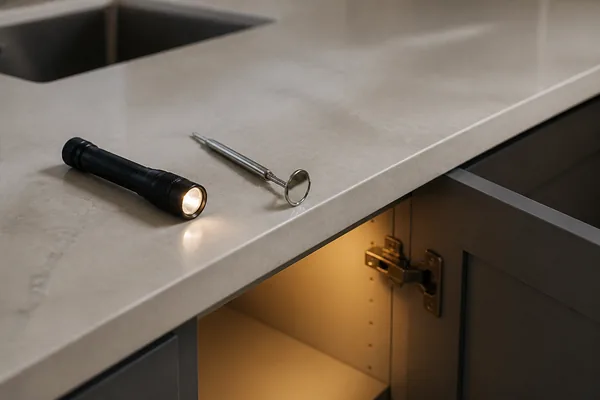
Insects in Al Sabeel are varied: cockroaches from dampness and darkness, ants from shops below, and mosquitoes from poor bathroom drains. Identification depends on the flat's position relative to shops and local moisture.
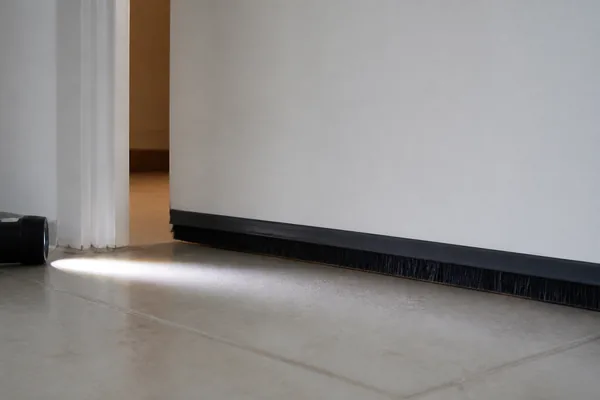
Main routes are the shared vertical pipes, gaps around electrical connections, and holes in walls between flats. Insects walk these passages at night as if they were single connected spaces.
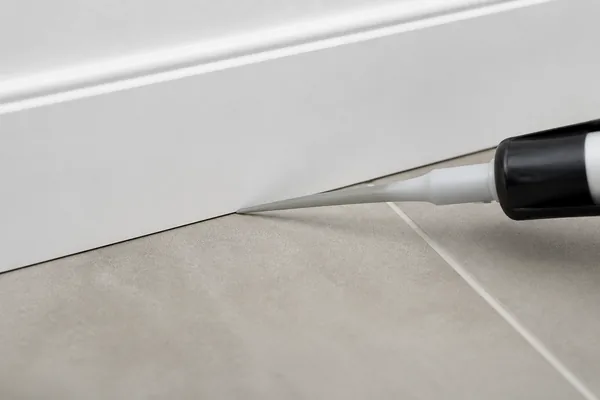
Cracks around drain and water pipes and gaps in corners are treated with moisture-resistant sealing compounds. Treatments focus on closing routes between flats, not just interior voids.
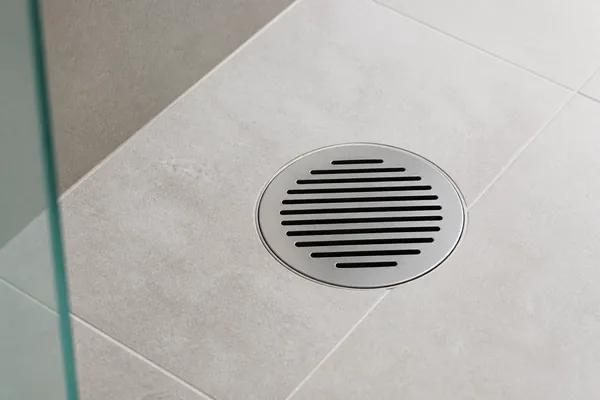
Small bathrooms without ventilation accumulate moisture and have poor drains, and treatment includes improving airflow and clearing drains before bait placement.
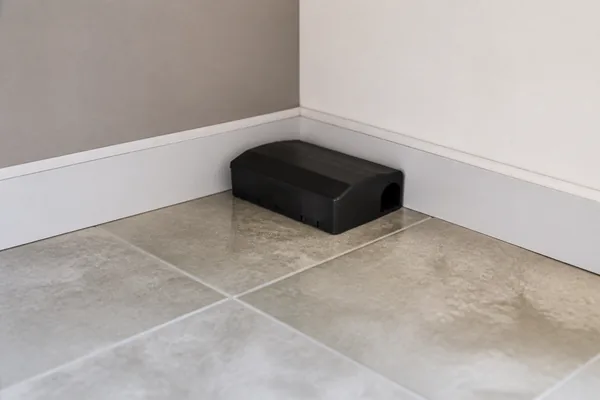
Baits are placed in bathrooms, kitchens, and around pipes and gaps, and refreshed every two weeks because insects enter continuously from outside through the shared conduits.
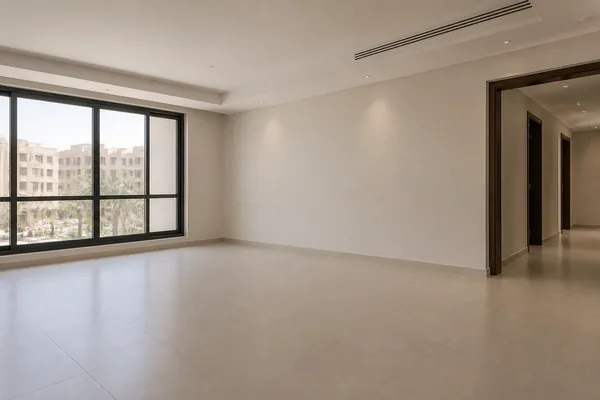
Follow-up every six weeks is essential and includes checking gaps, pipes, and drains. If you see insects in one neighbour's flat, coordinating treatment for the entire floor is preferable.
Droppings, damage and where they appear tell us the pest and roughly where it's nesting.
Gaps around pipes, thresholds and vents are the supply line.
Product goes into voids, cracks and the runways they use, not the open floor.
In the spaces spray can't reach, bait does the work, carried back to reach the nest and the ones that never surface.
Closing the easy entry points turns a constant re-supply into a closed problem, so the treatment isn't fighting a fresh wave every week.
Before leaving we walk the home with you and show you what was treated.
Apartment district: residential blocks, repeated floors and shared entrances
Packed apartment blocks mean insects are not isolated in one unit: they move between flats through shared pipes and common gaps. Treatment seals these routes first, or every application becomes temporary.
Spraying what walks across the floor is the common mistake we're called in to fix.
The company runs a large crew, and we send a team rather than one person.
Ants, cockroaches and rodents each need different products and placements.
If what you have is a one-off that doesn't need treating, or a structural issue for a builder, we tell you.
Photographs from real jobs carried out by the crew.












The commitment is simple enough to actually keep: we show you what was treated, and we stand behind it within the agreed cover.
Al Sabeel is near the old Sabil market to the east and Bashar ibn Burd Street to the north. Work begins from these landmarks identifying insect sources from below and the busy street, then advances east through the flats by tracing shared plumbing routes.
We provide these in Al Sabeel too, and more than one can share a single visit.



