
We treat the source, not the sighting
Spraying what walks across the floor is the common mistake we're called in to fix.

Bani Malik is an old commercial area in central Jeddah between King Fahd Road and Haramain Road, once a village outside the old Jeddah wall known as Nazlat Bani Malik. Popular old quarters, a commercial market and car repair shops with oily floors and maintenance units fill the zone. Insects here exploit food scraps, oils and old storage. Treatment requires precise understanding of the mixed commercial, residential and industrial use within the same area.
Bani Malik is a challenging treatment ground: old oily floors provide deep shelter, and shops and workshops supply abundant food. Insects here tie closely to daily economic activity, and continuous entry and exit mean perpetual inflow opportunities. For the method itself, see what pest control involves.
Oily aged floors in car workshops and shops provide deep insect refuges. Oils and greases supply food and protection from chemicals. This environment is unique and difficult to treat.
The commercial market, shops and surrounding restaurants supply ample food. Food scraps and waste accumulate in quarters and corners. Insects feed at high density here, then migrate to adjacent residential areas.
Workshops, shops and the market operate into late hours, and doors and gates remain open constantly for vehicles and customers. This unbroken activity provides perpetual entry opportunities for insects.
An old dense commercial zone of popular quarters, a commercial market and car repair workshops and stores, with oily and aged floors and mixed commercial, residential and light industrial use.
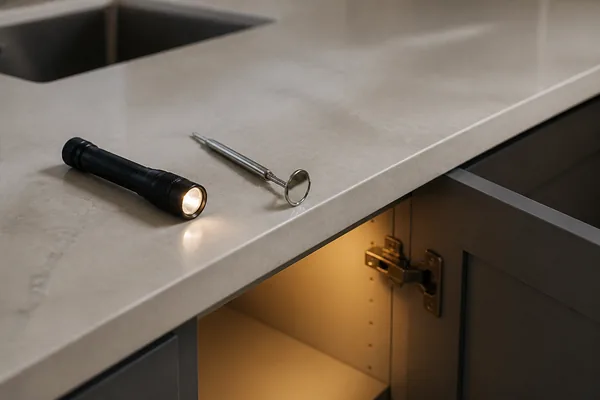
Inspection concentrates on oily floors and cracks beneath them, gaps between workshops and shops, and damp zones around drains.
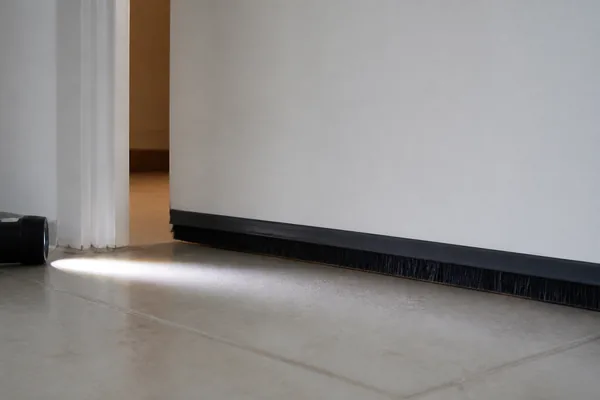
Entry points include cracks in oily floors, gaps around doors and large gates, open or damaged pipes.
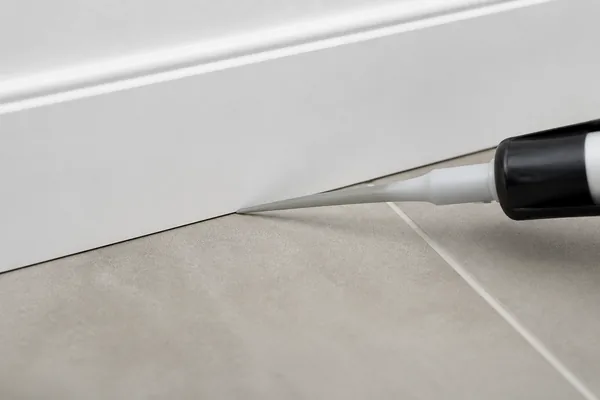
Cracks and voids under oily floors need careful cleaning and deep injection. Excavation and testing may be needed.
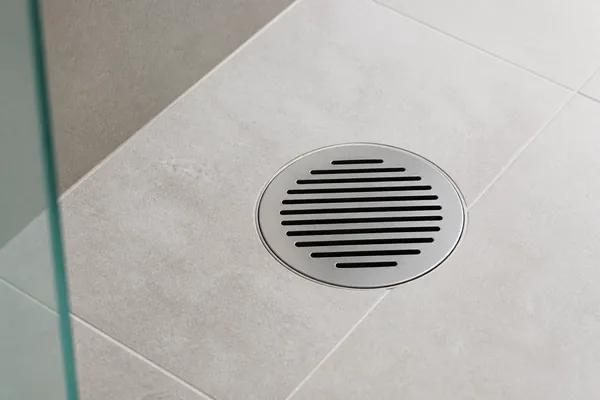
Drains and dampness from legacy systems are substantial, with treatment targeting moist zones and open pipes.
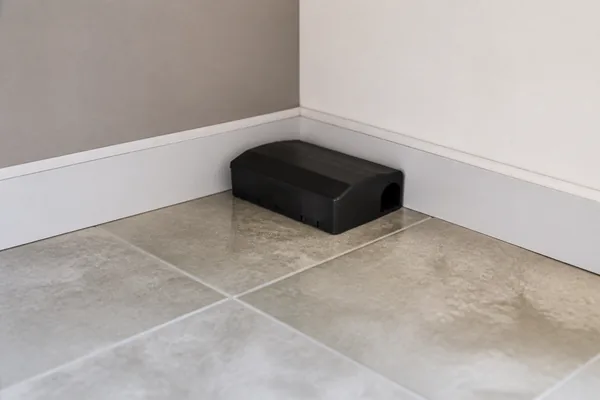
Baits are placed in cracks and voids under floors, around doors and gates, and in damp areas.
Follow-up requires regular inspection for new cracks and gaps from vehicle movement and daily activity.
Droppings, damage and where they appear tell us the pest and roughly where it's nesting.
Gaps around pipes, thresholds and vents are the supply line.
Product goes into voids, cracks and the runways they use, not the open floor.
In the spaces spray can't reach, bait does the work, carried back to reach the nest and the ones that never surface.
Closing the easy entry points turns a constant re-supply into a closed problem, so the treatment isn't fighting a fresh wave every week.
Before leaving we walk the home with you and show you what was treated.
Spraying what walks across the floor is the common mistake we're called in to fix.
The company runs a large crew, and we send a team rather than one person.
Ants, cockroaches and rodents each need different products and placements.
If what you have is a one-off that doesn't need treating, or a structural issue for a builder, we tell you.
Photographs from real jobs carried out by the crew.












The commitment is simple enough to actually keep: we show you what was treated, and we stand behind it within the agreed cover.
Commercial area: offices, showrooms and small stores
Mixed commercial, residential and industrial use creates an ideal insect environment. Oils, food, moisture and shelter all exist together, making isolated treatment ineffective and requiring comprehensive coordination among all users.
We provide these in Bani Malik too, and more than one can share a single visit.



