
We treat the source, not the sighting
Spraying what walks across the floor is the common mistake we're called in to fix.
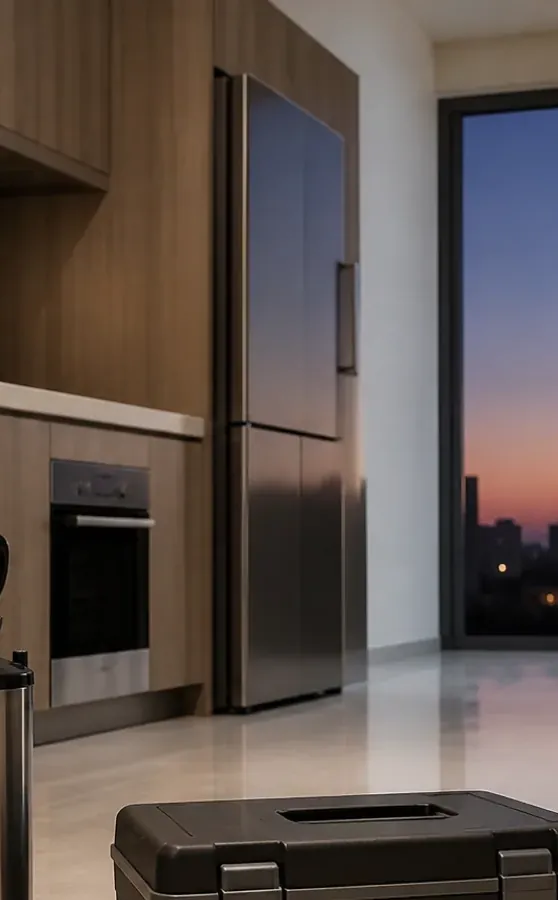
Al Marefah is a newly developing district in the north within the wider Obhur and Taybah area with ongoing construction and vacant plots scattered among new and partially built homes. Vacant plots with damp soil provide ideal breeding grounds, and construction dust moves into neighbouring flats. Treatment focuses on external walls and cracks around entry points where new structures meet open ground.
Vacant plots and excavations keep the soil continuously damp, and pests migrate from open ground into new homes through cracks and openings in walls still settling after construction. For the method itself, see our guide to pest control.
Vacant ground and excavations provide ideal damp breeding habitat. Active construction nearby causes vibrations that open cracks in new walls, creating entry points for outside pests.
Clay soil in vacant plots retains moisture for long periods. Alternating wet and dry cycles provide ideal conditions for pests to breed in waves as conditions vary.
Newly built walls are not fully stable immediately after construction. Fine cracks appear around door and window frames and at corners. Pests enter from outside through these fresh cracks.
The district sits within the northern Obhur and Taybah zone served by main roads connecting to Jeddah Madinah Road, with continuous building activity and undeveloped plots distributed among residential units.
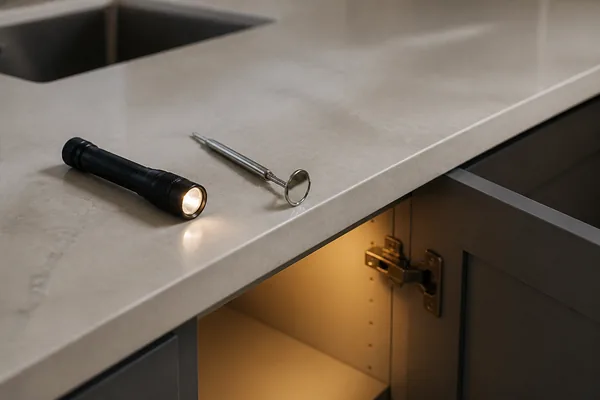
New development areas host pest species that migrated from vacant plots and active construction zones. Identifying species and sources is important for targeted treatment.
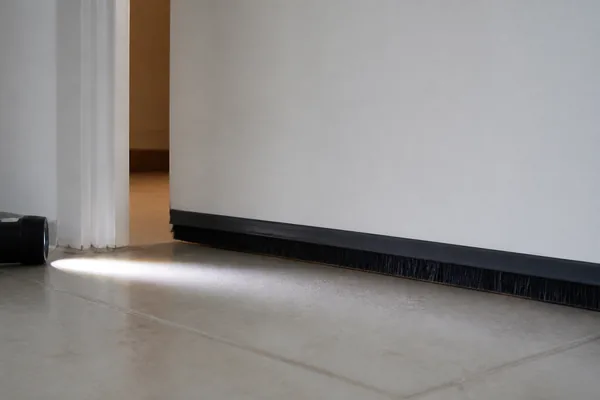
Primary entry points are fine cracks around door and window frames, gaps around external service pipes, and gaps where new walls have not yet fully settled.
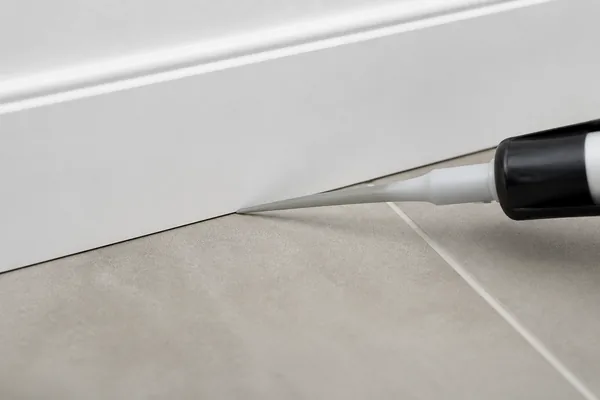
We treat new cracks with flexible materials that tolerate the movement and natural shrinkage of new construction, as rigid products may crack as new walls settle.
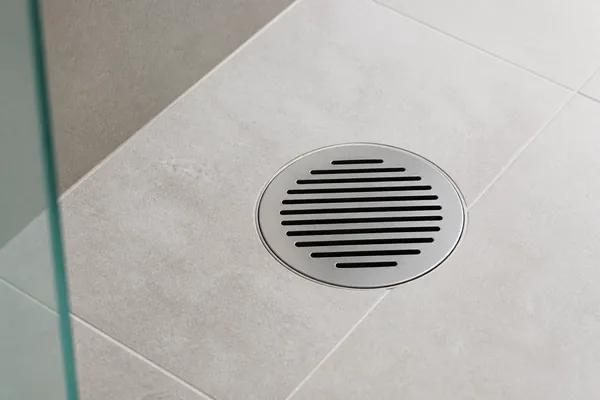
New drains and pipes may carry moisture from fresh construction and the damp surrounding soil. Treatment is important during the first year of occupancy.
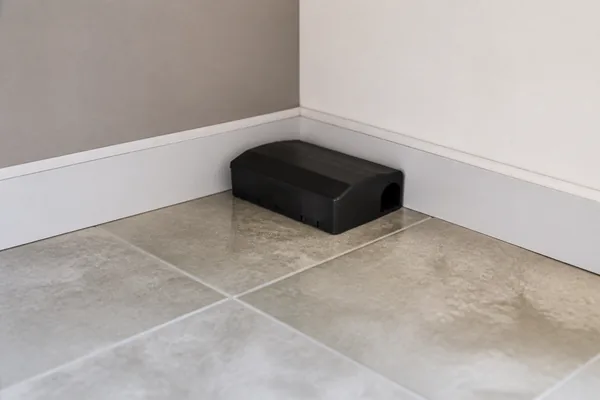
We place baits around external openings and new cracks, and near surfaces facing vacant plots and active construction zones.
Follow-up in new developments focuses on cracks that appear as walls settle. Additional treatments may be needed in year one then decline after structural stabilisation.
Droppings, damage and where they appear tell us the pest and roughly where it's nesting.
Gaps around pipes, thresholds and vents are the supply line.
Product goes into voids, cracks and the runways they use, not the open floor.
In the spaces spray can't reach, bait does the work, carried back to reach the nest and the ones that never surface.
Closing the easy entry points turns a constant re-supply into a closed problem, so the treatment isn't fighting a fresh wave every week.
Before leaving we walk the home with you and show you what was treated.
Spraying what walks across the floor is the common mistake we're called in to fix.
The company runs a large crew, and we send a team rather than one person.
Ants, cockroaches and rodents each need different products and placements.
If what you have is a one-off that doesn't need treating, or a structural issue for a builder, we tell you.
Photographs from real jobs carried out by the crew.












The commitment is simple enough to actually keep: we show you what was treated, and we stand behind it within the agreed cover.
In Al Marefah the team reaches addresses via Jeddah Madinah Road and routes through the developing Obhur zone. Abhor Mall nearby marks the general location. Treatment is scheduled around clusters of new homes distributed across the growing area.
We provide these in Al Marefah too, and more than one can share a single visit.



