
We treat the source, not the sighting
Spraying what walks across the floor is the common mistake we're called in to fix.
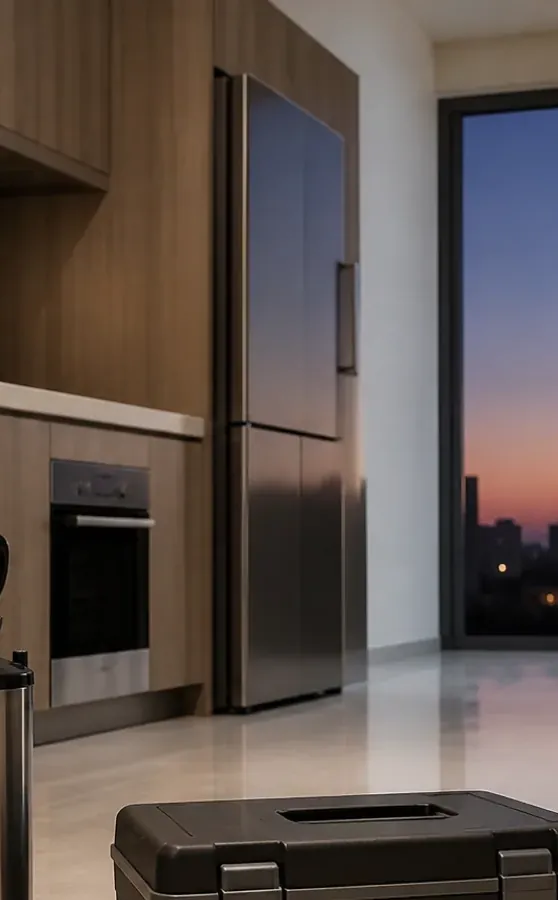
Al Sulaimaniyah East is a mixed residential district in central Jeddah near Haramain Road and the railway station, with apartment buildings, villas and commercial streets. Insects here differ because old shared pipework and drains offer complex passages and deep shelters for pests.
Insects in Al Sulaimaniyah East benefit from old pipework and unit proximity, moving easily between nearby buildings. For the method itself, see our guide to pest control.
Old water pipes, electrical conduits and wiring around Al Sulaimaniyah East contain scale, corrosion and deep gaps. Insects use these complex passages to move between units and buildings.
Old shared drains between units carry years of limescale and organic matter buildup. This damp rich environment provides ideal insect gathering spots.
Residential units and shops are tightly pressed together with very narrow gaps between them. Insects move easily from commercial units to homes through small cracks.
The district is part of old central Jeddah with old shared water and drainage lines between units, and residential and commercial buildings are tightly spaced with shops on ground floors.
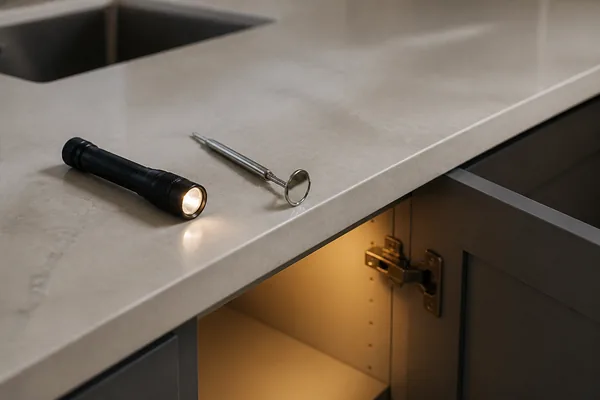
Inspection focuses on old pipes, electrical conduits, shared drains and gaps around partitions between units.
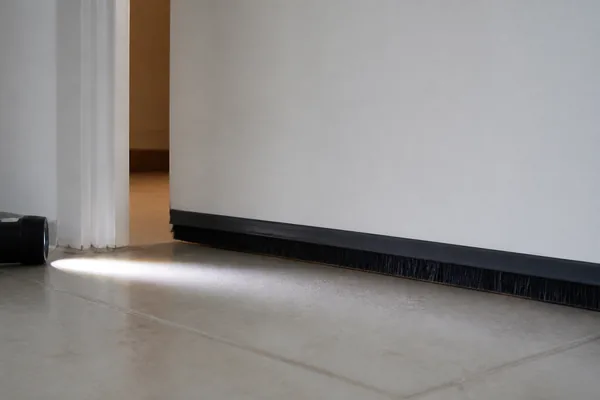
Entry points are gaps in old pipework, cracks between floors and main shared drains.
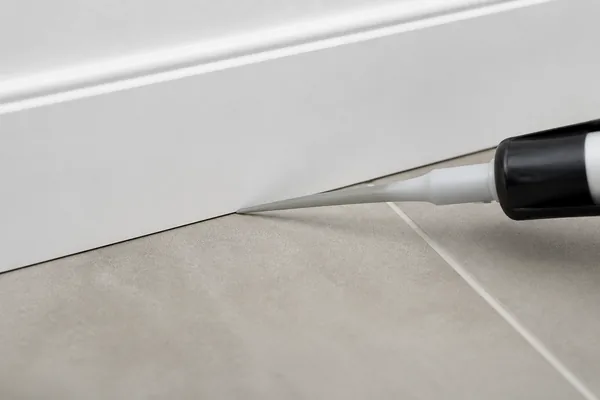
Cracks and gaps around old pipes, wiring and partitions need careful sealing and may need initial cleaning.
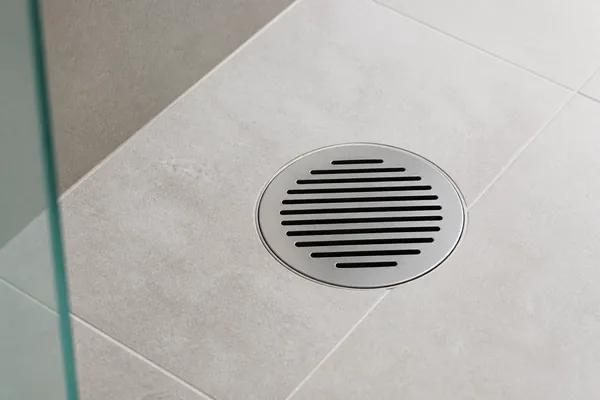
Old drains carry scale, mould and organic matter that provide food and ideal insect habitat.
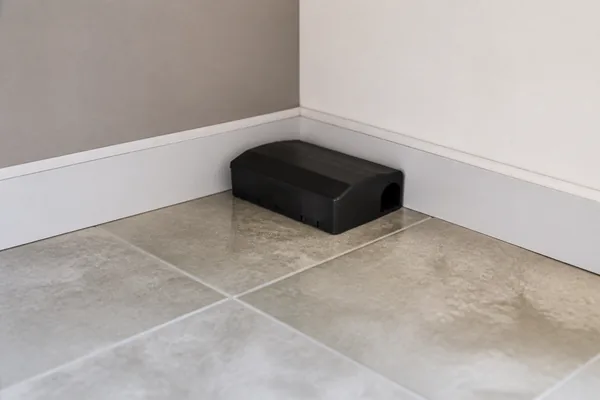
Baits are placed along main routes between units and around drains and deep gaps, protecting occupied areas.
Follow-up is monthly with additional drain cleaning every two months, and retreating new gaps from rust and corrosion.
Droppings, damage and where they appear tell us the pest and roughly where it's nesting.
Gaps around pipes, thresholds and vents are the supply line.
Product goes into voids, cracks and the runways they use, not the open floor.
In the spaces spray can't reach, bait does the work, carried back to reach the nest and the ones that never surface.
Closing the easy entry points turns a constant re-supply into a closed problem, so the treatment isn't fighting a fresh wave every week.
Before leaving we walk the home with you and show you what was treated.
Mixed district: shops at street level with homes above them
In a mixed central district the shops and old shared pipework are the real source, and treatment needs coordination with building management and shop owners, not just treatment of one flat.
Spraying what walks across the floor is the common mistake we're called in to fix.
The company runs a large crew, and we send a team rather than one person.
Ants, cockroaches and rodents each need different products and placements.
If what you have is a one-off that doesn't need treating, or a structural issue for a builder, we tell you.
Photographs from real jobs carried out by the crew.












The commitment is simple enough to actually keep: we show you what was treated, and we stand behind it within the agreed cover.
Central Jeddah is the old heart of the city: Al Balad with its coral stone houses, and the dense apartment quarters around it with shops beneath the flats. Floors here are often terrazzo or older ceramic tile, worn smooth and easily stained by cooking grease that drifts up from the street. Older kitchens and bathrooms carry heavy scale on taps and around drains, and pipework in the older blocks leaves rust marks in basins. Rugs and curtains take on the fine black dust of the main roads, so they need washing more often than elsewhere.
We provide these in Al Sulaimaniyah East too, and more than one can share a single visit.



