
We treat the source, not the sighting
Spraying what walks across the floor is the common mistake we're called in to fix.

Al Tilal is a mixed residential district in east Jeddah on the slopes of the hills that ring the city to the east, named for its hilly terrain. The district combines flats and commercial shops in shared buildings. The setting between Mareekh Mountains and Wadi Al Qaws means insects arrive from the hills easily, and the dry air and desert dust carry varied insect species. Interconnected flats and shops allow infestations to spread rapidly between units.
Coarse desert dust enters easily under doors and windows, and the dry air means wild insect species different from coastal areas. Commercial units on ground floors introduce moisture to the flats above through shared pipes and common gaps. For the method itself, see our guide to pest control.
Al Tilal sits directly on the slopes of Mareekh Mountains, and the surrounding wadis provide a continuous natural pest source. The wild terrain and desert environment sustain large insect populations that migrate toward buildings seeking water. The geographical setting means constant unrelenting external pressure.
The dry air of east Jeddah carries coarse and fine desert grit from hills and wadis. This dust enters homes and flats through small openings carrying insect eggs and particles with it. The dust leaves clear insect traces on floors and window sills.
Ground floor shops connect to flats above through shared pipes, wiring runs and common gaps. Pests move easily from shop to flat and between adjacent units. Treating one flat alone is ineffective if the shop below or neighbouring units are infested, because the problem is structural rather than isolated to one unit.
The district sits in east Jeddah within the built up area between hills and valleys, close to Mareekh Mountains, Wadi Al Qaws and the Haramain High Speed Railway line. Simple residential character with relatively newer streets, but the hilltop setting influences pest species and environmental pressure.
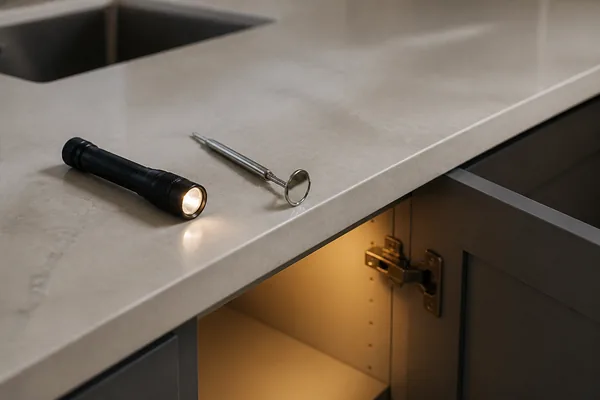
Identifying pest species in Al Tilal takes time because sources are multiple: Mareekh Mountains, wadis, desert dust and dry soil. We inspect the flat, shop sections and all gaps and boundaries carefully.
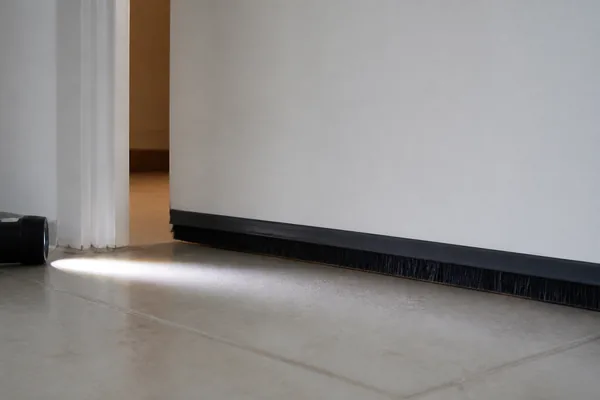
We trace pests from Mareekh and the wadis into the flat through dust, cracks, and gaps around foundations and shared pipes. Pressure comes from outside and from the commercial section below.
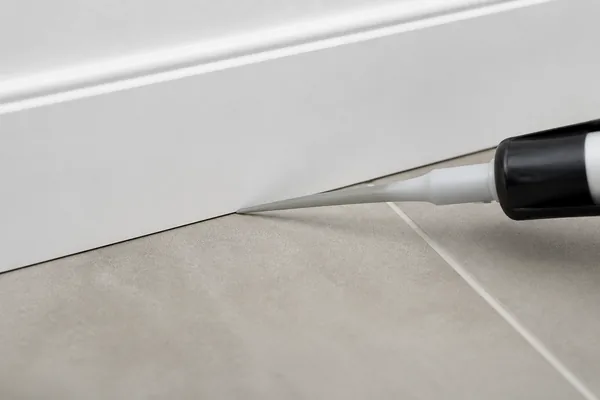
Cracks and gaps around shared pipes, floors and external doors need careful treatment. These are the direct gateways from the ground and the shop into the flat.
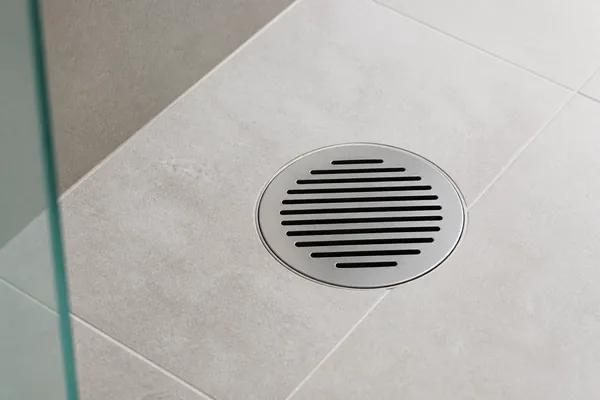
Moisture from commercial activity gathers around drains and warm corners, attracting pests heavily. We treat these areas with strong materials designed for long performance.
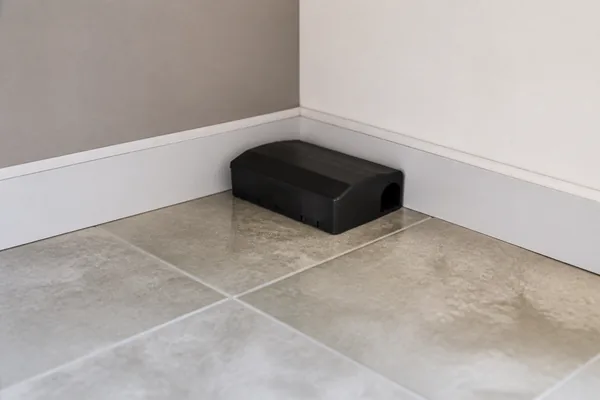
Baiting is placed along cracks, corners, gaps and shared pathways between the flat and the shop section.
Follow-up is very regular because the geographical location means continuous external pressure. We inspect the flat, shop sections, gaps and all shared pipe routes on each visit.
Droppings, damage and where they appear tell us the pest and roughly where it's nesting.
Gaps around pipes, thresholds and vents are the supply line.
Product goes into voids, cracks and the runways they use, not the open floor.
In the spaces spray can't reach, bait does the work, carried back to reach the nest and the ones that never surface.
Closing the easy entry points turns a constant re-supply into a closed problem, so the treatment isn't fighting a fresh wave every week.
Before leaving we walk the home with you and show you what was treated.
Mixed district: shops at street level with homes above them
The district is mixed with shops and flats together, and pests move easily between floors and units.
Spraying what walks across the floor is the common mistake we're called in to fix.
The company runs a large crew, and we send a team rather than one person.
Ants, cockroaches and rodents each need different products and placements.
If what you have is a one-off that doesn't need treating, or a structural issue for a builder, we tell you.
Photographs from real jobs carried out by the crew.












The commitment is simple enough to actually keep: we show you what was treated, and we stand behind it within the agreed cover.
Access to Al Tilal runs directly through the Mareekh Mountains zone, and Wadi Al Qaws regulates seasonal water and insect movement patterns. The Haramain High Speed Railway line bisects the area, and work depends on accurate knowledge of insect flow from the hills and wadis into the district.
We provide these in Al Tilal too, and more than one can share a single visit.



