
We treat the source, not the sighting
Spraying what walks across the floor is the common mistake we're called in to fix.
Al Balad is the historic commercial heart of Jeddah, listed by UNESCO as a World Heritage site, with coral stone houses, traditional markets and extremely narrow lanes packed with closely built properties. Insects live inside the voids in the old masonry and hollow walls, and move easily between connected buildings and through the busy souqs.
In old houses here, insects live inside the walls rather than beneath them, because hollow masonry creates entire internal cavities. Treatment is harder because insects are deep inside, away from the outer surface. For the method itself, see how we approach pest control.
Old houses here have thick coral stone walls that are hollow inside, and insects live in these cavities at depth beyond reach of surface spraying. We must inject treatments from multiple openings and wait longer for effect.
Old tangled services and leaking pipes have created a network of moisture and mould deep in the walls. Insects follow both visible and hidden water lines, and moisture itself is what actually draws them.
Houses sit directly next to busy souqs such as Souq Al Alawi and Souq Al Badu, and insects come from neighbouring damp and ancient shops and stores. Treating the house alone does not work if the commercial neighbour is infested.
Al Balad is a very ancient urban fabric dating to the fifteenth and sixteenth centuries, built in coral stone without deep foundations. Walls are thick but hollow inside, and lanes are so narrow they block sunlight and trap moisture throughout the day.
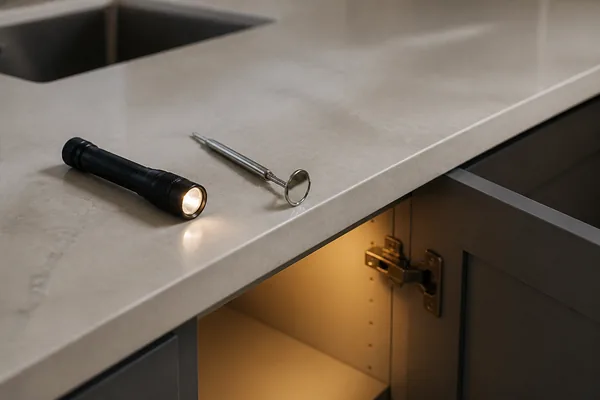
Inspection takes longer in old houses. We search for entry points from the narrow streets, neighbouring shops and voids within walls. We may need to drill small holes for examination.
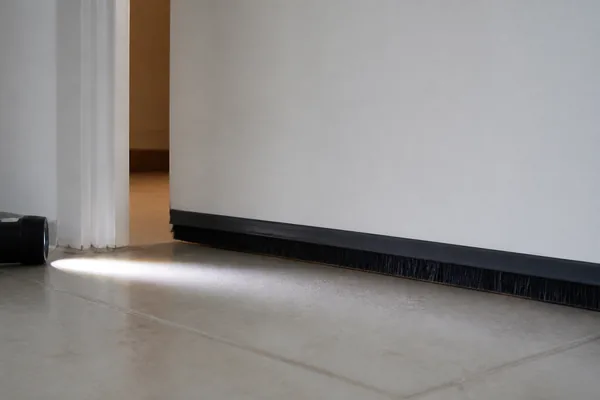
We trace entry routes from narrow streets, gaps between closely packed buildings and cracks in ancient foundations. Neighbouring souqs are a continuous source. We address gaps around them first.
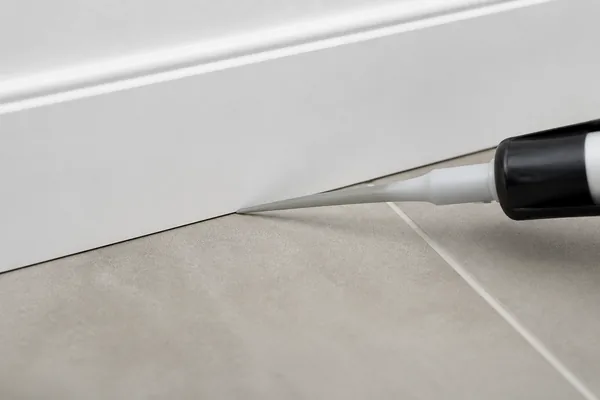
Treating cracks and voids in ancient walls needs deep injection because the voids are internal. We inject from multiple openings and seal after confirming treatment spread.
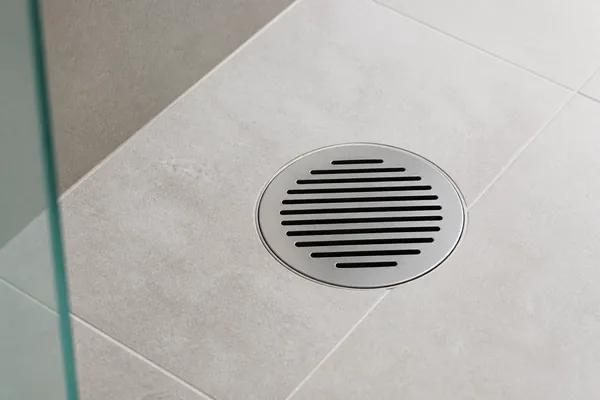
Moisture from ancient leaks and narrow drains traps water in walls and corners. We address moisture sources first by fixing obvious leaks and clearing blocked drains.
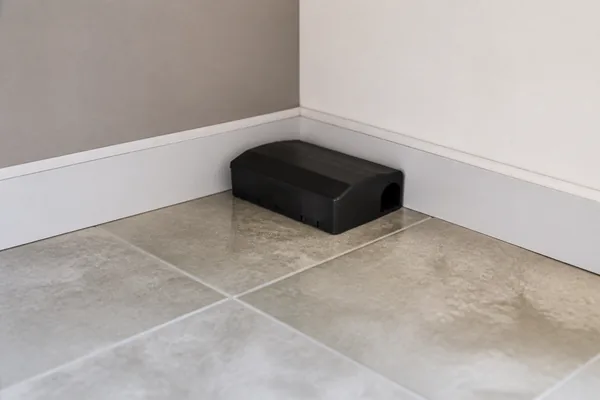
We place baits along the insects' nocturnal routes: along the wall base, in shaded room corners, around old doors and windows, and inside old cupboards and dark recesses.
We plan weekly follow-up for two months or longer, because old houses have deep sources. We inspect internal voids, corners and old wood for any remaining activity.
Droppings, damage and where they appear tell us the pest and roughly where it's nesting.
Gaps around pipes, thresholds and vents are the supply line.
Product goes into voids, cracks and the runways they use, not the open floor.
In the spaces spray can't reach, bait does the work, carried back to reach the nest and the ones that never surface.
Closing the easy entry points turns a constant re-supply into a closed problem, so the treatment isn't fighting a fresh wave every week.
Before leaving we walk the home with you and show you what was treated.
Spraying what walks across the floor is the common mistake we're called in to fix.
The company runs a large crew, and we send a team rather than one person.
Ants, cockroaches and rodents each need different products and placements.
If what you have is a one-off that doesn't need treating, or a structural issue for a builder, we tell you.
Photographs from real jobs carried out by the crew.












The commitment is simple enough to actually keep: we show you what was treated, and we stand behind it within the agreed cover.
Al Balad centres on Nassif House and Al Shafi'i Mosque, divided between Souq Al Alawi and Souq Al Badu around Bab Makkah and Bab Sharif. Treatment is organised from these central points, entering houses from the narrow lanes branching off them.
We provide these in Al Balad too, and more than one can share a single visit.



