
We treat the source, not the sighting
Spraying what walks across the floor is the common mistake we're called in to fix.
Wadi Usheirah is a valley most likely within the Abraq Al Rughamah area in the hills east and southeast of Jeddah, near Wadi Qaws and Wadi Mareekh in the Jabal Khashash range. It appears to be an open, sparsely built area with little documentation. The area is farmland and scattered holdings fed by wells and irrigation, and lush green vegetation provides a rich environment for insects to thrive and breed before moving into homes.
The sparse scattered buildings mean insects from nature and farms enter the home when they seek water, shade and shelter. For the method itself, see what pest control involves.
Farms and green zones supply food and water for millions of insects. When they seek water, shade and rest, the nearby home becomes the natural shelter.
Wells and pipes carrying water provide continuous supply. Insects live in the pipes and around wells, and enter homes through water and dampness.
Wide distances between homes provide long routes for insects to travel. Insects from farms and nearby hills cross these gaps slowly but steadily.
A rural open area far from the main city, wells and groundwater and green plants provide perfect habitat for insects that naturally arise in this kind of setting.
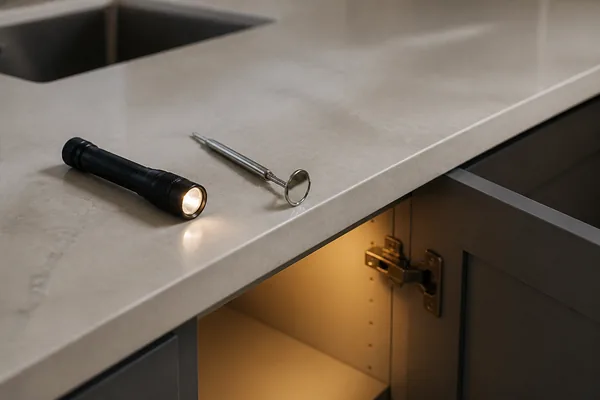
Multiple species from farms and nature need precise identification of each according to its source and the season.
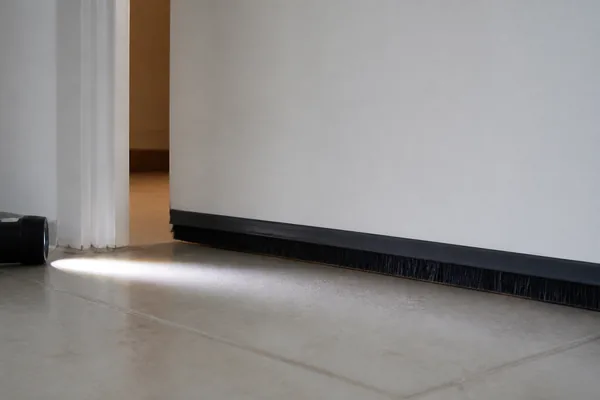
Main entry points are gaps around water pipes and wells and gaps in damp foundations.
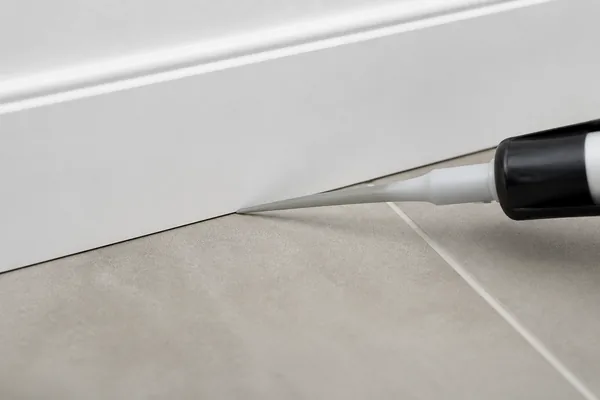
Cracks and voids in foundations on wet soil need deep treatment and tight sealing.
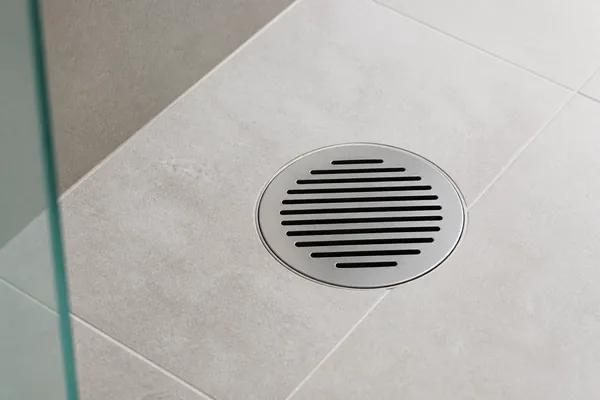
Moisture from wells and irrigation concentrates around foundations, so treatment focuses hard on these zones.
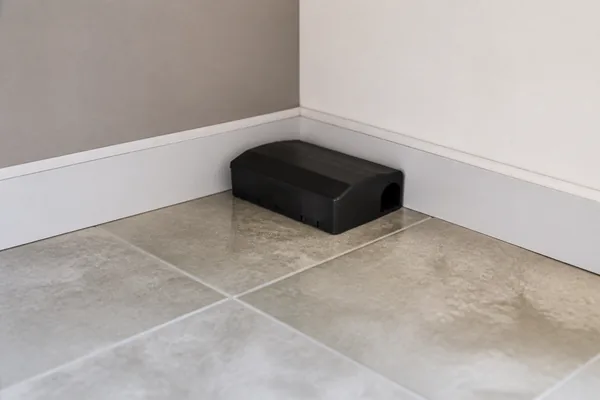
We place bait around wells, pipes and zones where insects cross from the farms.
Monthly monitoring is necessary to track new routes and new cracks opening in the foundations.
Droppings, damage and where they appear tell us the pest and roughly where it's nesting.
Gaps around pipes, thresholds and vents are the supply line.
Product goes into voids, cracks and the runways they use, not the open floor.
In the spaces spray can't reach, bait does the work, carried back to reach the nest and the ones that never surface.
Closing the easy entry points turns a constant re-supply into a closed problem, so the treatment isn't fighting a fresh wave every week.
Before leaving we walk the home with you and show you what was treated.
Spraying what walks across the floor is the common mistake we're called in to fix.
The company runs a large crew, and we send a team rather than one person.
Ants, cockroaches and rodents each need different products and placements.
If what you have is a one-off that doesn't need treating, or a structural issue for a builder, we tell you.
Photographs from real jobs carried out by the crew.












The commitment is simple enough to actually keep: we show you what was treated, and we stand behind it within the agreed cover.
Rural area: farms, open ground and scattered homes
The open rural setting provides rich insect habitat from farms, groundwater and green plants. Insects from nature and irrigation enter homes steadily, and continuous monitoring is essential here far more than in urban districts.
We provide these in Wadi Usheirah too, and more than one can share a single visit.



