
We treat the source, not the sighting
Spraying what walks across the floor is the common mistake we're called in to fix.
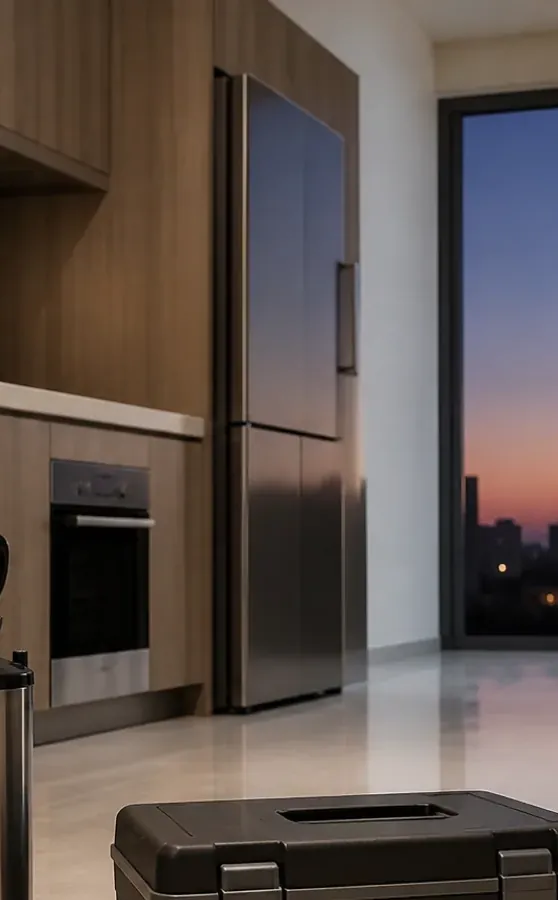
Wadi Qaws is a valley running down from the Jabal Khashash range east of Jeddah towards the coast. It was historically lined with scattered houses that flood waters swept away more than once, prompting the building of a dam to protect eastern districts. The neighbouring Al Qaws area holds resthouses and open plots rather than dense building. Seasonal water and standing pools from rain and irrigation create ideal conditions for insects to breed before spreading to homes.
Seasonal water and standing pools in pits and open ground provide breeding environments where insects multiply rapidly before entering homes. For the method itself, see the full pest control page.
Seasonal water from the valley collects in pits and small pools around scattered homes. This water hatches millions of insects, especially in certain seasons, and they spread from there to neighbouring homes.
Open land between homes lets insects move without barriers. Resthouses and small irrigated gardens provide continuous moisture.
The hilly terrain around the valley and dam provides safe shelter far from treatment. Natural slopes and gaps between rocks offer ideal harbouring.
The area is open and sparsely built. The valley, the dam and seasonal water provide multiple water sources that attract and sustain insects.
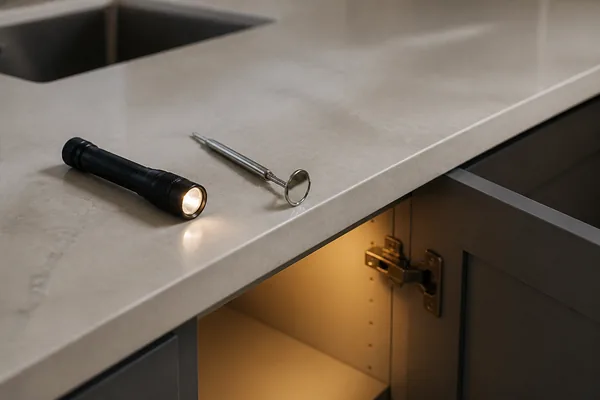
Species vary with season and seasonal water, so identification requires careful inspection at first treatment visit.
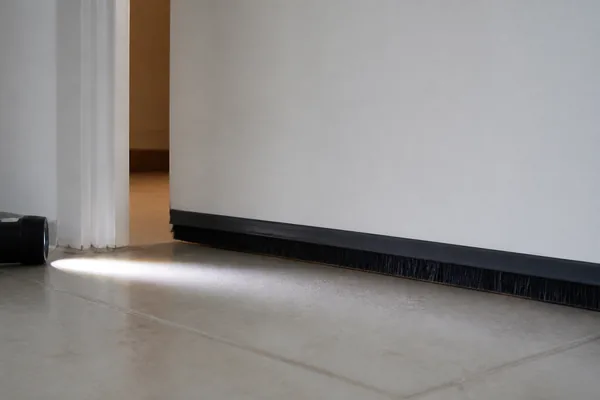
Main entry points are gaps around the foundation and openings around pipes coming from the garden.
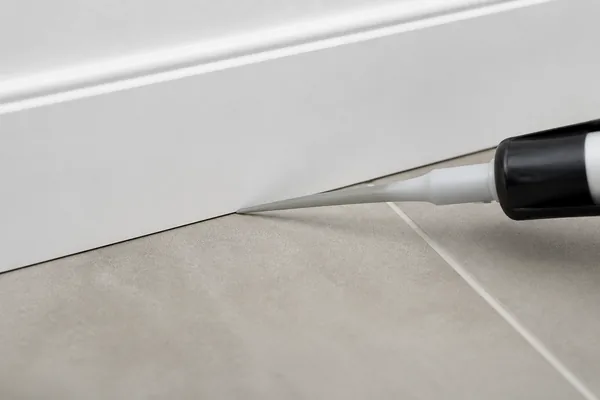
Small cracks in the foundation and gaps between doors and frames need very careful sealing.
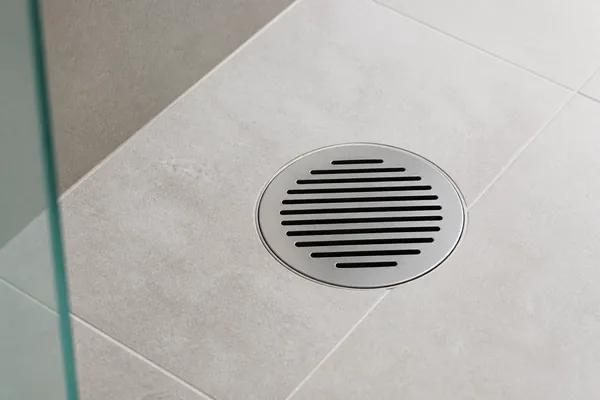
Standing water in pits and neighbouring land provides breeding source, so treatment focuses on drying the exterior area.
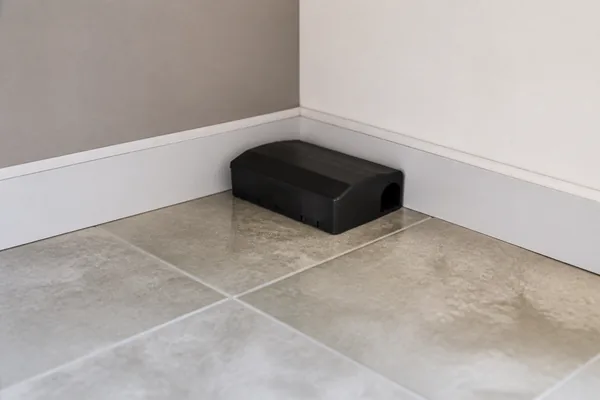
We place bait around the garden, pits and areas where water seeps.
Follow-up inspections focus on the foundation, garden and any new water pooling after rain.
Droppings, damage and where they appear tell us the pest and roughly where it's nesting.
Gaps around pipes, thresholds and vents are the supply line.
Product goes into voids, cracks and the runways they use, not the open floor.
In the spaces spray can't reach, bait does the work, carried back to reach the nest and the ones that never surface.
Closing the easy entry points turns a constant re-supply into a closed problem, so the treatment isn't fighting a fresh wave every week.
Before leaving we walk the home with you and show you what was treated.
Spraying what walks across the floor is the common mistake we're called in to fix.
The company runs a large crew, and we send a team rather than one person.
Ants, cockroaches and rodents each need different products and placements.
If what you have is a one-off that doesn't need treating, or a structural issue for a builder, we tell you.
Photographs from real jobs carried out by the crew.












The commitment is simple enough to actually keep: we show you what was treated, and we stand behind it within the agreed cover.
Wadi Qaws runs from Jabal Khashash in the east towards the plain, and the dam built for protection marks where external pressure on homes concentrates. Access to scattered homes comes via Al Qaws Street, and treatment starts from the water zones around the valley and dam first.
We provide these in Wadi Qaws too, and more than one can share a single visit.



