
We treat the source, not the sighting
Spraying what walks across the floor is the common mistake we're called in to fix.
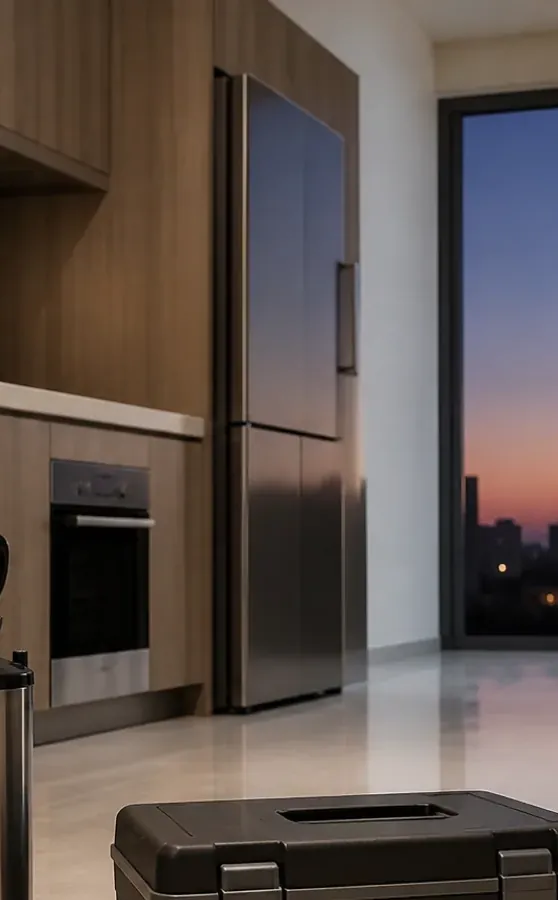
Al Corniche is Jeddah's modern northern seafront on the Red Sea, a coastal zone of resorts and hotels with permanently high humidity and salt-laden air year-round. External windows and doors face the sea directly, and pests enter on damp winds and salt spray. Treatment here focuses on sealing external openings and protecting gaps exposed to sea air.
Humidity here never drops even in dry seasons, and sea salts deposit on window surfaces and balconies, attracting pests and providing the damp breeding environment they need. For the method itself, see our pest control service in detail.
Hotels and resorts need expansive windows and glass doors to frame the sea view. These large openings provide easy entry for pests from the beach and open sea, especially at night and during strong winds.
Salt air deposits on every surface and in every crack around external openings. Humidity never falls in the coastal zone, creating a permanently damp environment that continuously attracts pests.
Seafront buildings face humidity, salt spray and strong winds throughout the year. Constant salt exposure accelerates pipe corrosion and widens the cracks through which pests enter.
The zone overlooks the Red Sea with large hotels and resorts featuring expansive windows and glass doors opening onto the sea view, in continuous exposure to salt air and high moisture.
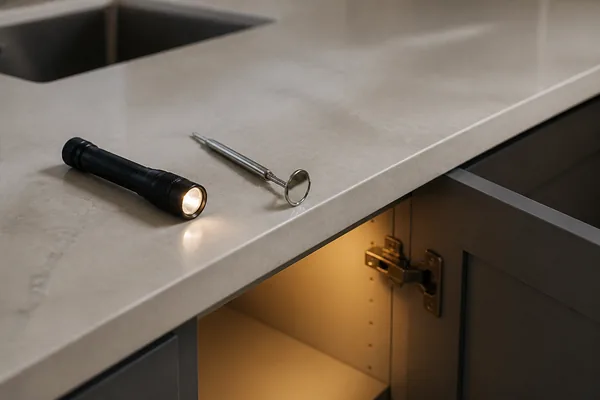
Coastal zones host pest species selected for life in salt and damp conditions, quite different from inland neighbours. We identify species accurately before selecting the treatment method.
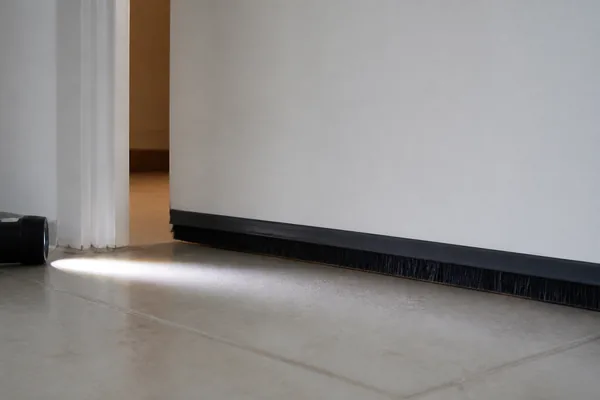
Primary entry points are large sea-facing openings, cracks around external window and door frames, upper ventilation gaps and any opening facing the marine environment.
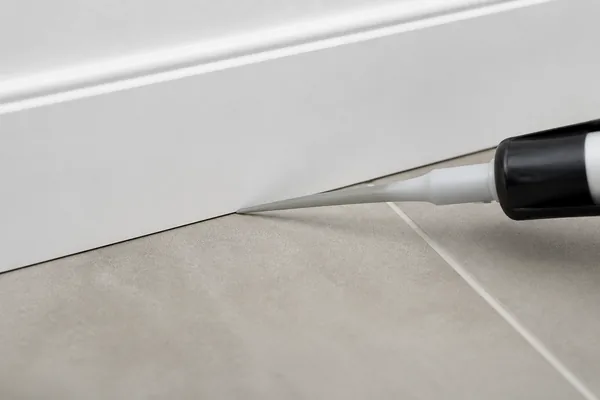
We treat cracks and voids with products specially formulated for salt and humidity resistance, as standard materials corrode rapidly in the marine environment.
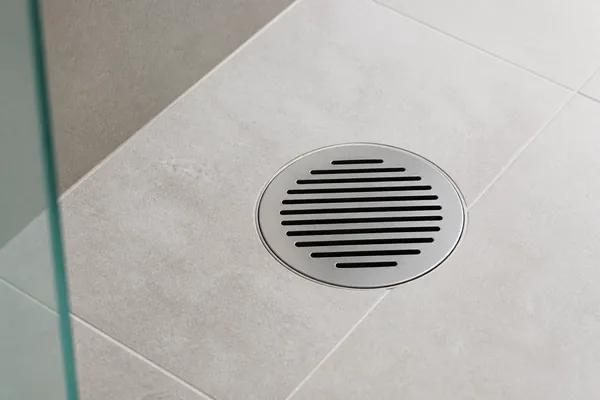
Drains and pipework exposed to coastal moisture and salt provide ideal breeding grounds and need far stronger, much more frequent treatment than inland districts.
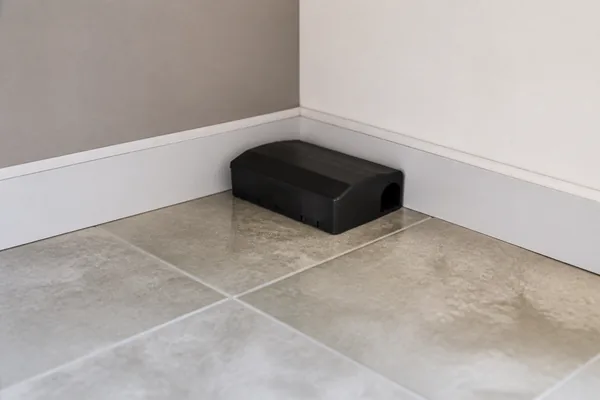
We place baits near external openings, on balconies, around drains and in damp corners, and may need permanent bait stations on exposed upper surfaces.
Coastal follow-up occurs at least monthly because humidity and salt provide very rapid breeding conditions. Additional treatments may be needed every few weeks during hot humid seasons.
Droppings, damage and where they appear tell us the pest and roughly where it's nesting.
Gaps around pipes, thresholds and vents are the supply line.
Product goes into voids, cracks and the runways they use, not the open floor.
In the spaces spray can't reach, bait does the work, carried back to reach the nest and the ones that never surface.
Closing the easy entry points turns a constant re-supply into a closed problem, so the treatment isn't fighting a fresh wave every week.
Before leaving we walk the home with you and show you what was treated.
Spraying what walks across the floor is the common mistake we're called in to fix.
The company runs a large crew, and we send a team rather than one person.
Ants, cockroaches and rodents each need different products and placements.
If what you have is a one-off that doesn't need treating, or a structural issue for a builder, we tell you.
Photographs from real jobs carried out by the crew.












The commitment is simple enough to actually keep: we show you what was treated, and we stand behind it within the agreed cover.
Coastal area: high humidity and salt air through the year
Coastal means continuous exposure to salt and high humidity year-round, not just in summer. Pests arrive on damp sea winds and breed rapidly in the salty damp environment.
We provide these in Al Corniche too, and more than one can share a single visit.



