
We treat the source, not the sighting
Spraying what walks across the floor is the common mistake we're called in to fix.
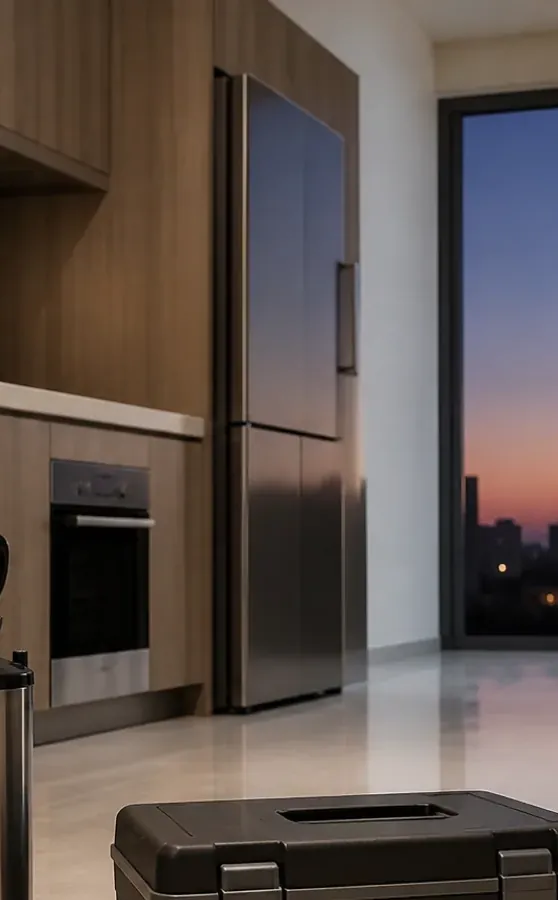
Ghulail is a decades-old popular quarter in south Jeddah near the former Al Mahjar quarantine district, its informal buildings cleared entirely under the South Jeddah redevelopment scheme. The site now shows ongoing construction, vacant plots and demolition stages. Construction dust and grit enter the remaining homes from all directions. Insects migrate from the old buildings being demolished and from vacant plots and building sites, making treatment different here than in established quarters.
In Ghulail, vacant land and ongoing construction bring excess dust, and insects migrate from old buildings before demolition into the homes still occupied. For the method itself, see how we approach pest control.
Building and redevelopment create voids, debris and dust. Vacant land and adjoining old buildings are constant insect sources. Insects migrate from buildings being demolished into remaining homes.
Construction dust and grit enter windows and doors in heavy volumes. Broken old roads leave unstable ground and bring more dust. Development gaps leave doors and windows poorly fitted.
Vacant plots shelter seasonal insects. Insects move easily between vacant land, neighbouring buildings and remaining homes before the land is built on.
A district under redevelopment in south Jeddah with vacant plots and ongoing construction, old buildings being cleared, and construction dust and grit entering the homes that remain.
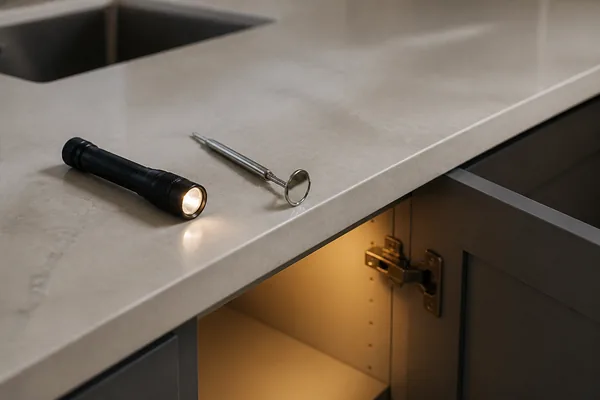
In Ghulail we inspect the home, foundation line and floor voids for insects, eggs and excess construction dust. Poorly fitted windows and doors receive priority attention.
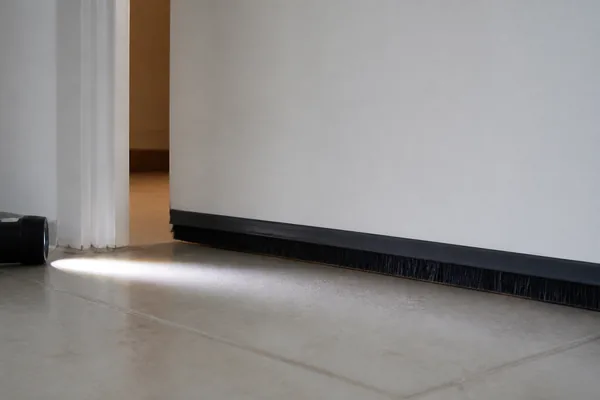
We track entry from vacant plots, neighbouring construction, old buildings being demolished and from the street. Dust and insects enter from every direction in a development phase.
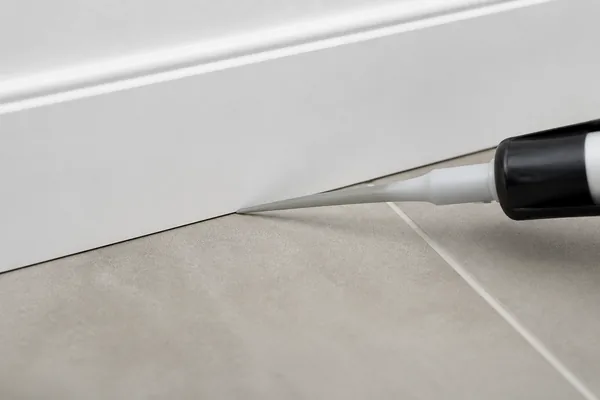
We treat gaps around doors, windows, foundation vents and gaps around both old and new pipes. Construction moisture may leave poorly fitted seals.
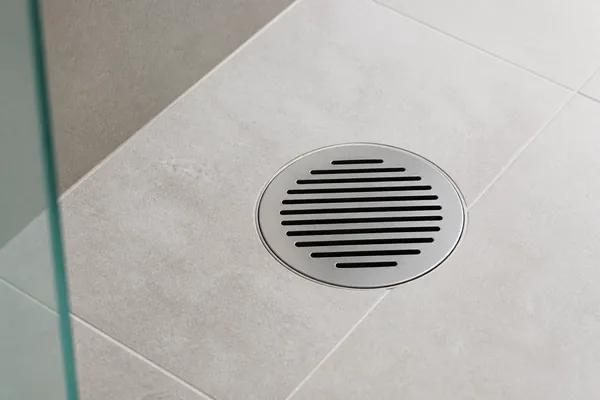
Moisture from building work and new tanks may settle in corners and around foundation voids. We inspect around new taps and drains and gaps beneath new floors.
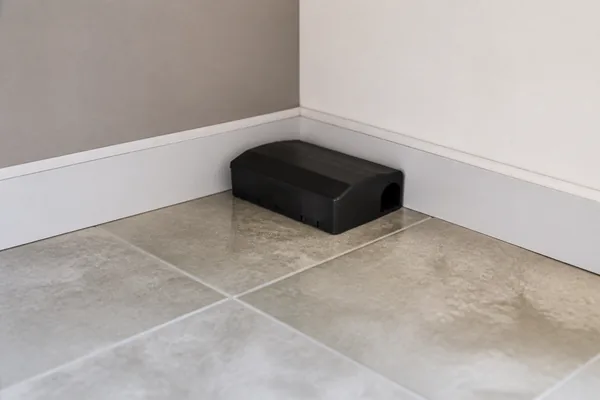
We place bait stations along walls, in corners and around pipes, doors and windows. Insects travel from vacant land and neighbouring buildings into occupied homes.
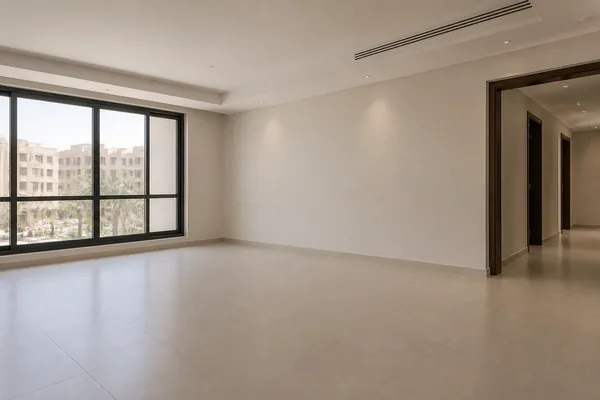
We establish a follow-up plan for the transition phase, using short intervals until the area stabilises, then extending visits. We recommend improving door and window quality and sealing.
Droppings, damage and where they appear tell us the pest and roughly where it's nesting.
Gaps around pipes, thresholds and vents are the supply line.
Product goes into voids, cracks and the runways they use, not the open floor.
In the spaces spray can't reach, bait does the work, carried back to reach the nest and the ones that never surface.
Closing the easy entry points turns a constant re-supply into a closed problem, so the treatment isn't fighting a fresh wave every week.
Before leaving we walk the home with you and show you what was treated.
Ghulail sits about 1.5 km from Al Quraiyat and about 2 km from Al Nuzlah Yamaniyah.
Open in Google MapsSpraying what walks across the floor is the common mistake we're called in to fix.
The company runs a large crew, and we send a team rather than one person.
Ants, cockroaches and rodents each need different products and placements.
If what you have is a one-off that doesn't need treating, or a structural issue for a builder, we tell you.
Photographs from real jobs carried out by the crew.












The commitment is simple enough to actually keep: we show you what was treated, and we stand behind it within the agreed cover.
Ghulail sits near Al Mahjar Street and Al Falah Road, where we reach your homes from these routes through the development zone, treating insects from vacant plots, neighbouring building sites, demolition areas and foundation vents.
We provide these in Ghulail too, and more than one can share a single visit.



