
We treat the source, not the sighting
Spraying what walks across the floor is the common mistake we're called in to fix.
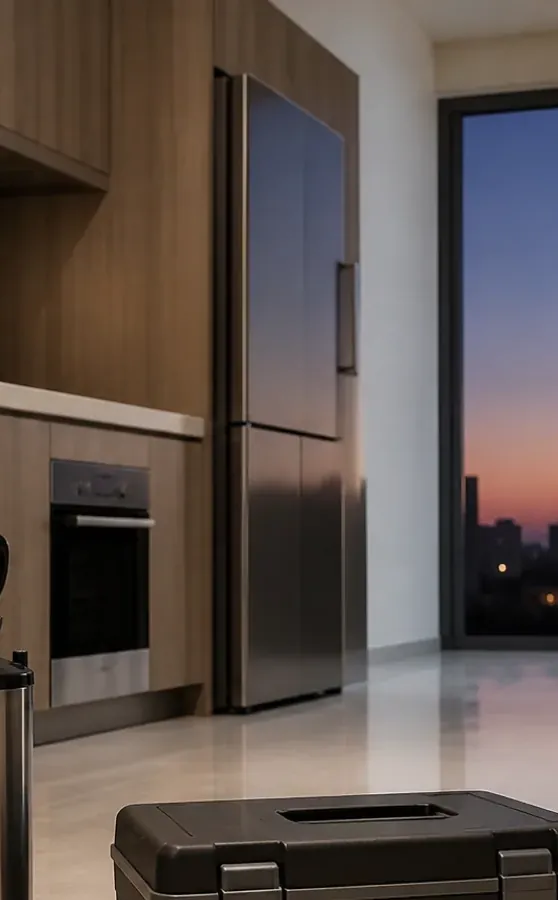
Al Murjan is a small low-density coastal neighbourhood facing the northern corniche with villas, apartments and gated compounds. High humidity and salt air year-round attract different insect species than inland districts. Salt-loving insects and humidity-loving species dominate, and treatment here differs because materials and routes change as constant moisture becomes the defining environmental factor.
Salt-tolerant and moisture-loving insects are the dominant species here, not the same types found in drier inland neighbourhoods. For the method itself, see the full pest control page.
Moisture and salt in the air attract humidity-loving insects far more than those in dry neighbourhoods do, so species composition differs. Treatment changes because materials effective in dry districts may lose potency on the coast where moisture interferes with product action.
Salt and humidity hasten corrosion of concrete, metals and the gaps around your home, creating new voids and deeper shelter. Gaps widen faster here than in dry zones, offering insects better hiding places than older construction provides.
Green spaces and moisture-loving plants provide habitat for garden insects specialised to the coast. Coastal plants hold moisture longer, creating ideal habitat for species that depend on it.
Small coastal zone on the north corniche west of Al Basatin, low-density villas, apartments and residential compounds facing the waterfront. Year-round high humidity and salt air, limited green spaces.
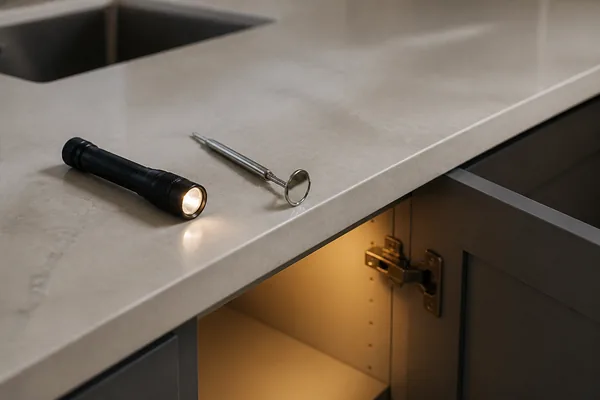
Al Murjan is a coastal district with high humidity and different insect species, so we identify the type and its relationship to moisture first.
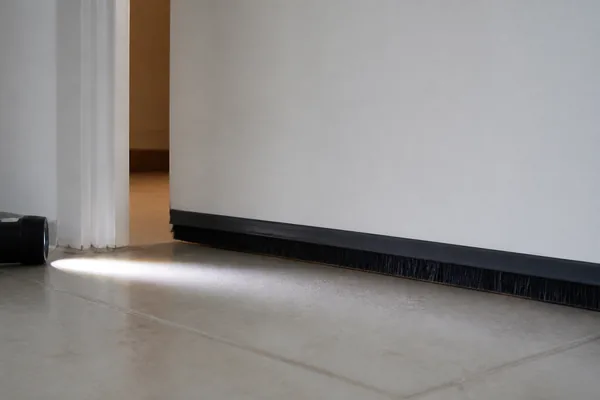
Insects enter from the sea and moisture-laden wind via plants and damp gardens, so we trace these coastal pathways.
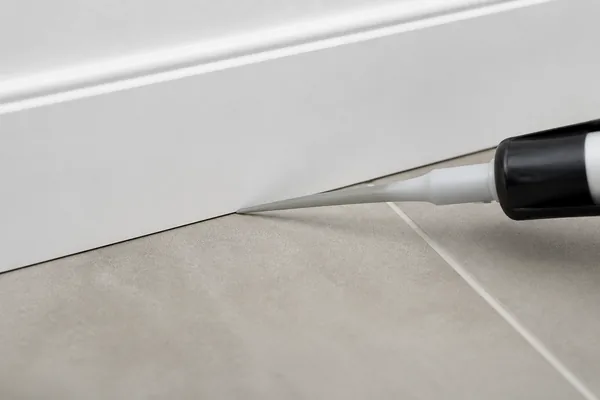
Gaps and cracks in coastal buildings widen quickly because salt and moisture hasten decay, so we seal them with salt-resistant materials.
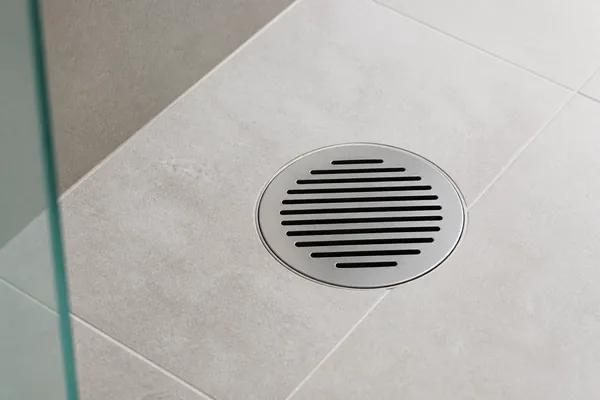
Drains and moisture from irrigation and sea spray create ideal habitat, so treating moisture is essential.
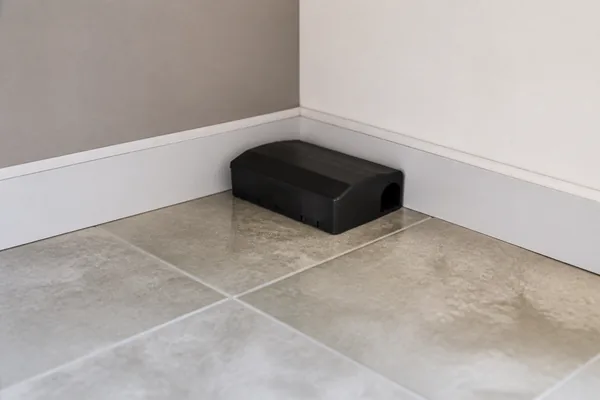
Baits are placed in damp zones, plants and coastal gaps, and around windows and balconies facing the sea.
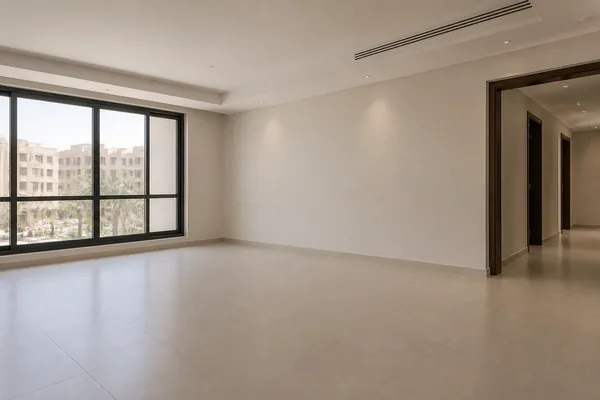
Follow-up tracks humidity seasons, as insects increase in high-humidity months and decline slightly in drier periods.
Droppings, damage and where they appear tell us the pest and roughly where it's nesting.
Gaps around pipes, thresholds and vents are the supply line.
Product goes into voids, cracks and the runways they use, not the open floor.
In the spaces spray can't reach, bait does the work, carried back to reach the nest and the ones that never surface.
Closing the easy entry points turns a constant re-supply into a closed problem, so the treatment isn't fighting a fresh wave every week.
Before leaving we walk the home with you and show you what was treated.
Spraying what walks across the floor is the common mistake we're called in to fix.
The company runs a large crew, and we send a team rather than one person.
Ants, cockroaches and rodents each need different products and placements.
If what you have is a one-off that doesn't need treating, or a structural issue for a builder, we tell you.
Photographs from real jobs carried out by the crew.












The commitment is simple enough to actually keep: we show you what was treated, and we stand behind it within the agreed cover.
West Jeddah faces the sea along the Corniche, and the flats and towers along it live with salt in the air all year. Salt settles on glass as a haze that plain water spreads rather than removes, and it works into balcony railings, outdoor fabric and the metal of window frames. Indoors, humidity keeps carpets and curtains slightly damp, so they hold odours and dust longer than in drier districts, and bathroom grout and shower glass show scale quickly. Wooden floors and doors swell a little in the wetter months.
We provide these in Al Murjan too, and more than one can share a single visit.



