
We treat the source, not the sighting
Spraying what walks across the floor is the common mistake we're called in to fix.
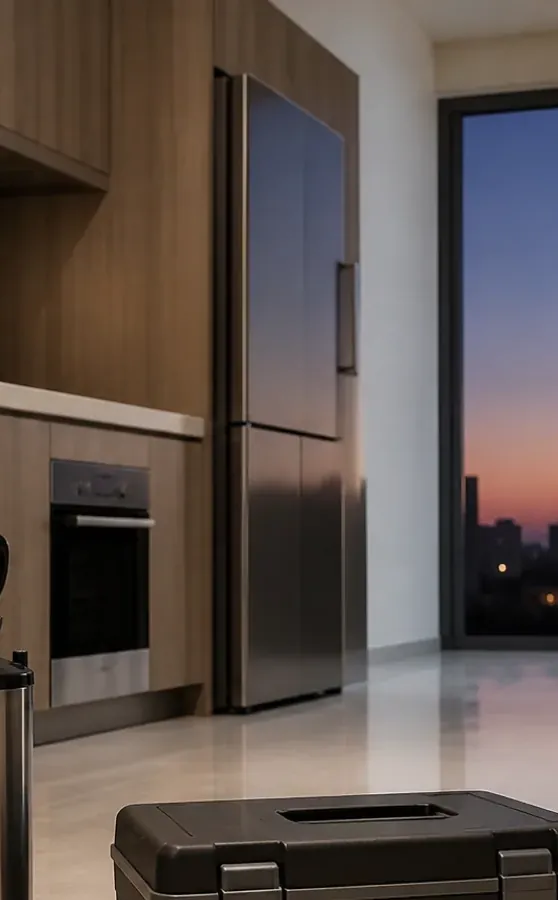
Al Sham is one of four historic quarters inside Jeddah's old walled city, a densely packed neighbourhood of stone buildings dating centuries back with narrow lanes, ancient pipework and floors worn smooth by time. Pests here live in the deep cracks of weathered stone, under heavy scale deposits and in voids beneath the heritage floors.
The buildings are laid with local coral stone that absorbs ground moisture visibly, and the worn terrazzo floors conceal fine dust and make powder baits slide away from where pests travel. For the method itself, see the full pest control page.
Buildings stand directly against one another with no gaps, and coral stone has weathered and cracked over hundreds of years. Pests live in these cracks and voids unreachable by hand, untouched by fresh water, protected by the stone itself.
Old drains are covered in thick limescale that conceals larvae and organic matter beneath it. Metal pipes have corroded inside and out over decades, creating airtight harbours and the damp organic debris pests need to breed.
Terrazzo and old ceramic floors are polished smooth by generations of foot traffic, with gaps and cracks underneath from structural settlement. Pests shelter in these voids and emerge at night to forage on the floors above.
The quarter mixes housing and shopfronts in a tightly woven urban fabric with old kitchens and bathrooms carrying thick limescale buildup on taps and around ancient drains.
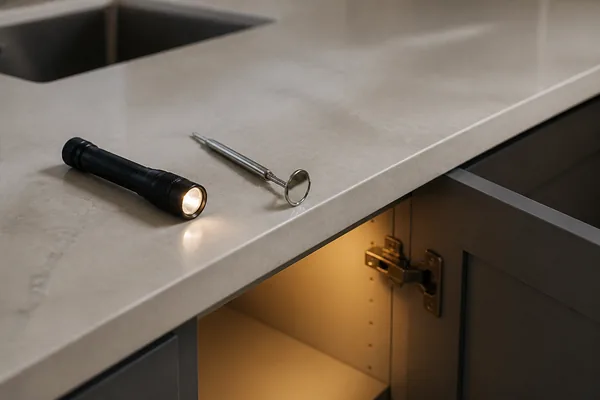
Old buildings host multiple pest species, and identifying each one helps us select the treatment best suited to the historic construction and materials in place.
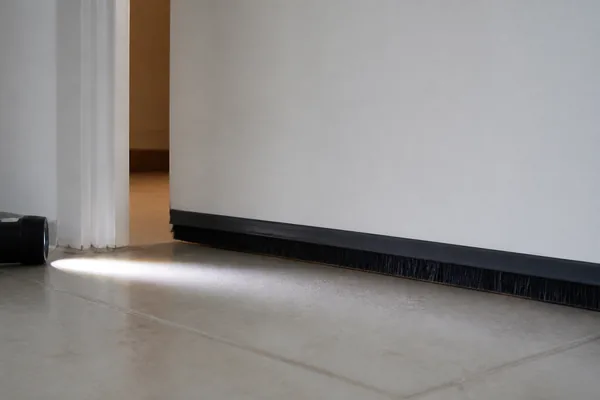
Entry points in old quarters are not obvious as in new districts: pests enter through microscopic cracks, voids beneath floors and openings around old metal pipes running through walls.
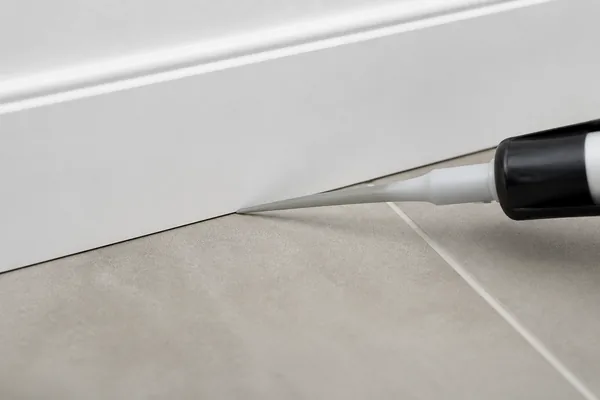
Deep cracks in stone, walls and floors need precise treatment with injected products that reach into the fissures themselves, not just surface spraying.
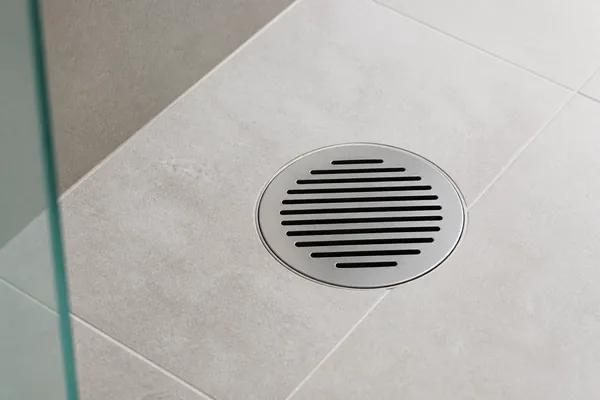
Shared drains and damp channels beneath old floors house many pests, and we treat them gently because the pipework is aged and may be sensitive to strong chemicals.
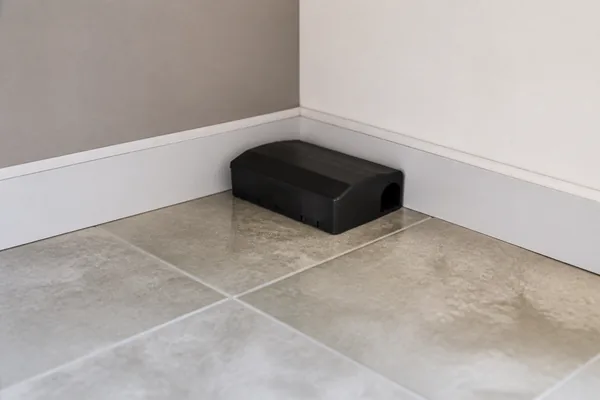
We place baits around cracks and voids, on bathroom walls and in kitchens where humidity is high and where pests travel at night searching for food and water.
Follow-up in old quarters needs special care because deep voids retain pests for long periods, and we may recommend repeated treatments every four to six weeks until populations fall.
Droppings, damage and where they appear tell us the pest and roughly where it's nesting.
Gaps around pipes, thresholds and vents are the supply line.
Product goes into voids, cracks and the runways they use, not the open floor.
In the spaces spray can't reach, bait does the work, carried back to reach the nest and the ones that never surface.
Closing the easy entry points turns a constant re-supply into a closed problem, so the treatment isn't fighting a fresh wave every week.
Before leaving we walk the home with you and show you what was treated.
Historic district: close-set buildings, narrow lanes and ageing services
Historic means the cracks and voids are part of the original building and cannot be removed, so treatment focuses on reaching the pests inside these voids and cutting off the moisture sources that draw them there.
Spraying what walks across the floor is the common mistake we're called in to fix.
The company runs a large crew, and we send a team rather than one person.
Ants, cockroaches and rodents each need different products and placements.
If what you have is a one-off that doesn't need treating, or a structural issue for a builder, we tell you.
Photographs from real jobs carried out by the crew.












The commitment is simple enough to actually keep: we show you what was treated, and we stand behind it within the agreed cover.
Central Jeddah is the old heart of the city: Al Balad with its coral stone houses, and the dense apartment quarters around it with shops beneath the flats. Floors here are often terrazzo or older ceramic tile, worn smooth and easily stained by cooking grease that drifts up from the street. Older kitchens and bathrooms carry heavy scale on taps and around drains, and pipework in the older blocks leaves rust marks in basins. Rugs and curtains take on the fine black dust of the main roads, so they need washing more often than elsewhere.
We provide these in Al Sham too, and more than one can share a single visit.



