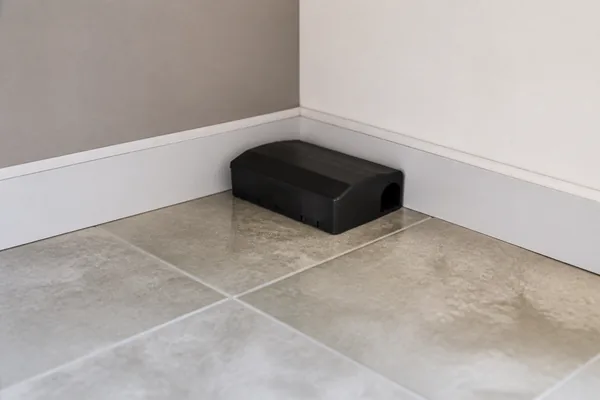
Pest Control in Al Thaalibah

Pest Control in Al Thaalibah, Jeddah

Al Thaalibah is an old unplanned district in south west Jeddah with tightly packed apartment blocks where shared entrances connect floors and units. Insects live in the walls themselves and use the shared entry as a highway between flats. Treating a single flat does not end the problem because the source lives in the building structure and restocks continuously.

  • A full team, not one person
  • Price agreed before we start
  • Treatment matched to the pest
  • Re-treated if activity returns

What changes about pest control in Al Thaalibah

Adjacent flats with shared entrances suffer unequal infestations, but a clean flat is at risk when neighbours are infested, because insects travel easily between units through the shared entry and common walls. For the method itself, see how we approach pest control.

  • The first reason

    Shared walls contain the colonies

    Old unplanned structures have weak walls and multiple cracks. Insect colonies live in voids inside the walls shared between flats, and treating one flat does not reach insects in the walls themselves. Treatment must target the walls and the structure, not just the interior spaces.

  • The second reason

    Shared entry is an insect highway

    Shared entrances, staircases and passageways are open routes for insects to move between units. A treated flat may stay clean for weeks, but insects from an untreated neighbouring flat re-enter easily through the shared entry that connects them.

  • The third reason

    Ageing shared pipework carries them between flats

    Water pipes, electrical conduits, drains and shared utilities carry moisture and food between units. Old pipework near the port suffers rust and leaks, which attract insects and provide ideal breeding conditions in the damp voids and shared spaces.

What pest control covers in Al Thaalibah

The district lies between King Khalid Road and Al Falah Road, with crowded low-rise buildings, patchy utilities and ageing shared pipework. It borders the port area, where maritime humidity affects building condition and creates persistent damp that insects need.

  • Inspection and identification

    Inspection and identification

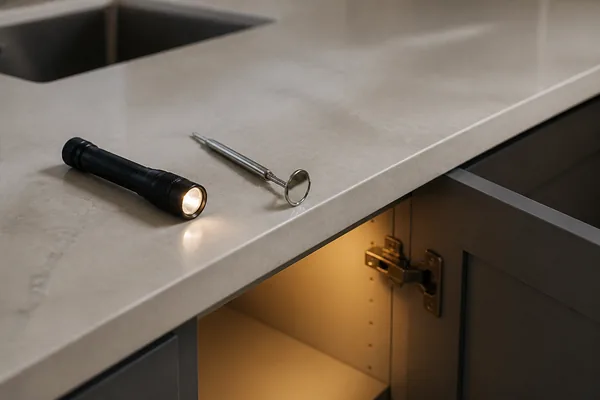
    Inspection includes the flat, shared walls, shared entry and common stairs. Identify the species and trace the entry route from walls and entry to the flat interior. Insects enter from places that may not be obvious inside the flat alone.

  • Entry points and source

    Entry points and source

    The main entry source is the shared entry, walls and gaps around shared pipes, and a ground floor shop if present may add pressure. Treatment focuses on sealing openings and treating the source together with the flat interior.

  • Treatment in cracks and voids

    Treatment in cracks and voids

    Cracks in shared walls and gaps around shared pipes are safe refuges. Treatment includes cleaning cracks thoroughly and sealing gaps with appropriate materials, not just a quick spray in corners.

  • Drains and damp areas

    Drains and damp areas

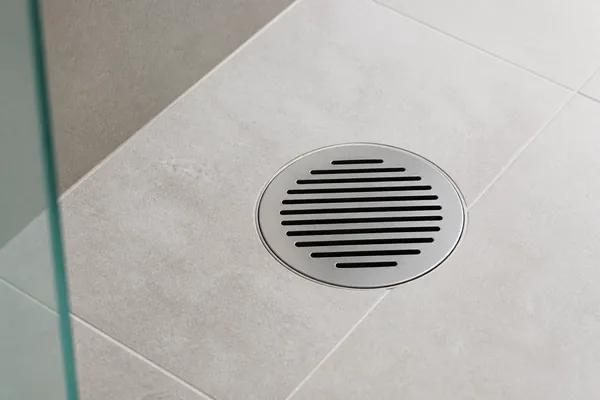
    Shared drains and pipes carry permanent moisture from leaks and corrosion, and insects follow moisture and food along these routes. Baits are placed around pipe openings and in corners of the shared entry.

  • Bait along their routes

    Bait along their routes

    Baits are placed along the shared entry, stairs and corridors, in gaps around water and drain pipes, and around entry openings, to intercept insects moving between units before they can establish in individual flats.

  • A follow-up plan

    A follow-up plan

    Follow-up checks the shared entry, walls and the flat interior, and baits and treatment are repeated if new insects appear entering from an infested neighbouring flat or from a shop below.

Not included

  • Structural proofing, rebuilding walls or major sealing work
  • Termite soil treatment for new construction, a separate service
  • Removing bird nests, cats, snakes or other wildlife
  • Fumigation of an entire sealed property

How pest control is actually done

  1. 1

    We identify what we're dealing with

    Droppings, damage and where they appear tell us the pest and roughly where it's nesting.

  2. 2

    Find how they're getting in

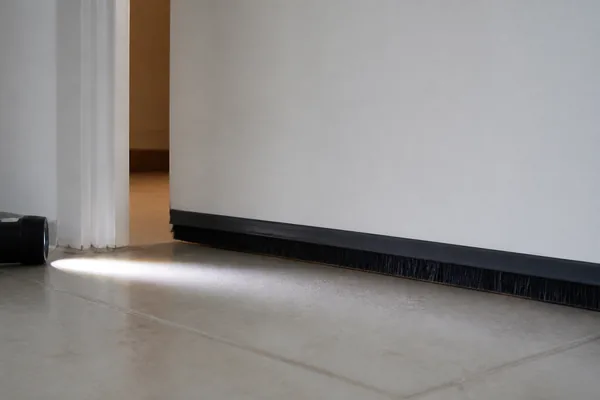
    Gaps around pipes, thresholds and vents are the supply line.

  3. 3

    Treat where they live and travel

    Product goes into voids, cracks and the runways they use, not the open floor.

  4. 4

    Bait and monitor the hidden runs

    In the spaces spray can't reach, bait does the work, carried back to reach the nest and the ones that never surface.

  5. 5

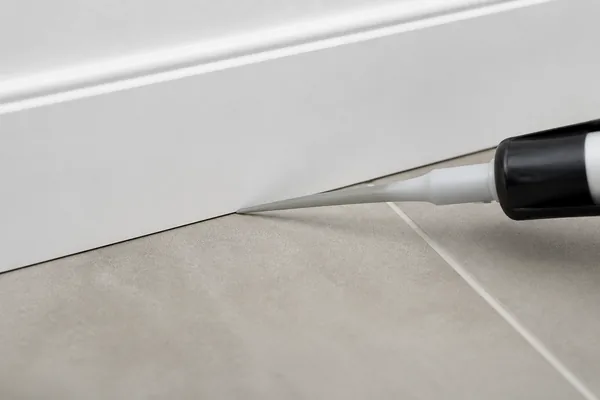
    Seal the gaps we can reach

    Closing the easy entry points turns a constant re-supply into a closed problem, so the treatment isn't fighting a fresh wave every week.

  6. 6

    Follow-up and walk it with you

    Before leaving we walk the home with you and show you what was treated.

The character of Al Thaalibah

Apartment district: residential blocks, repeated floors and shared entrances

Flats with shared entries mean a neighbour's insects become your problem. Treatment is not confined to the flat alone but must seal all common pathways: walls, shared entry, stairs, corridors and pipe openings that connect the units.

Why us for this service in particular

We treat the source, not the sighting

Spraying what walks across the floor is the common mistake we're called in to fix.
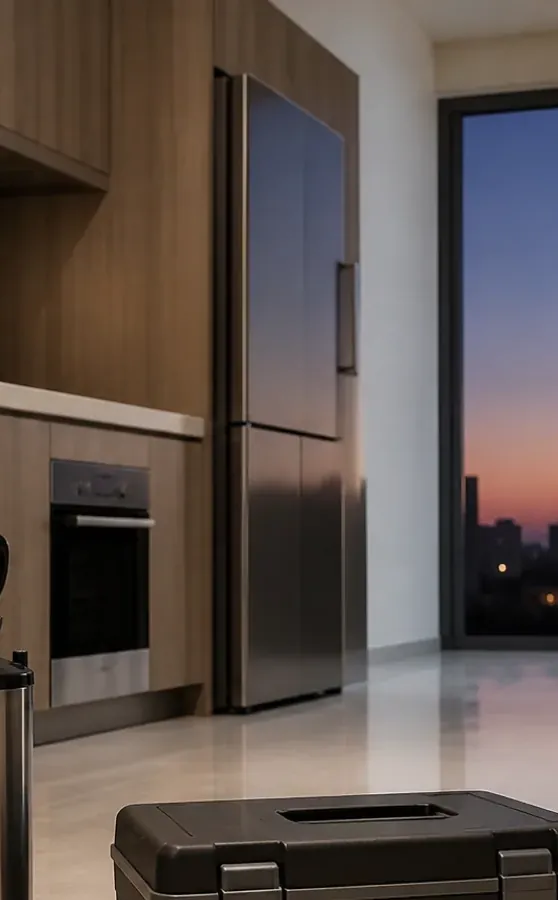
A full team arrives together

The company runs a large crew, and we send a team rather than one person.

Materials matched to the pest

Ants, cockroaches and rodents each need different products and placements.

We say no when it's no

If what you have is a one-off that doesn't need treating, or a structural issue for a builder, we tell you.

From our work

Photographs from real jobs carried out by the crew.

A bedroom after a full clean
Bedroom at handover
Majlis carpet after washing
Majlis after washing
A majlis after a full clean
Majlis after cleaning
A living room after cleaning
Living room after cleaning
A sitting room after cleaning
Sitting room
A folded towel on a table
The small details
A tidy bedroom after service
Bedroom made up
Mopping a marble floor during work
Marble floors
Washing a stone entrance
Exterior entrances
Cleaning a commercial floor
Commercial floor
Making the bed during work
Bed made
A jacuzzi after descaling
Jacuzzi after cleaning

The job isn't closed until you approve it

The commitment is simple enough to actually keep: we show you what was treated, and we stand behind it within the agreed cover.

Landmarks of Al Thaalibah

Al Thaalibah lies between Al Thaalibah Park to the west and King Khalid Road to the south, close to Jeddah Islamic Port. Access to homes is through Al Falah Road and the narrow passages between the tightly packed apartment blocks.

  • Al Falah Road
  • King Khalid Road
  • Al Thaalibah Park
  • Al Thaalibah Mosque
  • Jeddah Islamic Port

Questions about pest control in Al Thaalibah

Will treating my flat alone work if the neighbouring flats are also infested?

No. Shared walls shelter insects that move easily into your flat through gaps around pipes and openings. Effective treatment requires coordination between neighbouring flat owners or treatment of the common walls that connect them.

Are upper floor flats less affected than lower ones in the blocks here?

Not necessarily. Insects climb and descend pipes easily, and the shared entry puts all flats at equal risk. An upper flat may be as affected as a lower one if neighbouring units are infested, regardless of floor height.

How often should a flat in Al Thaalibah need follow-up monitoring visits?

If treatment is done properly including walls, follow-up every two weeks for the first month, then monthly for three months. After that, quarterly checks are sufficient if neighbouring flats remain uninfested.

Can treating the shared walls alone work without treating inside the flat?

No. Treatment must be coordinated: walls and common areas from outside, and the flat interior from inside. Insects already inside the flat need treating in both places to be eliminated.

Does proximity to Jeddah port speed insect return after treatment?

Port proximity means high humidity and crumbling old pipework. This attracts insects and provides ideal breeding habitat in damp voids. Persistent moisture may mean follow-up visits are needed more frequently than in other districts.

Do ground floor shops and restaurants add extra pest pressure on the flats above?

Yes. Ground floor cafés and shops provide perfect insect habitat, and the path from a shop to the flat above is short through shared gaps and pipework. Upper flats face constant entry pressure from the business below.

Will one visit get rid of them?

It depends on the pest. Ants and light infestations often clear in one visit. Cockroaches and rodents usually need a follow-up to catch the next generation as eggs hatch. We tell you which at inspection, before you pay.

Why did the pests come back after I sprayed myself?

Surface spray kills what it touches and leaves the nest working, so the population refills within days. Lasting control reaches the harbourage and closes the gaps they're entering through, which is what the visit is built around.

How much does pest control in Al Thaalibah cost?

It is set after the inspection, because it follows the size of the job, the materials involved and their condition. Send photos on WhatsApp and we will give you an estimate before we reach Al Thaalibah.

Other services in Al Thaalibah

We provide these in Al Thaalibah too, and more than one can share a single visit.

Pest Control in districts near Al Thaalibah

Need pest control in Al Thaalibah?

We reach Al Thaalibah at a time we agree, and you get the full cost before we start.

Call WhatsApp