
We treat the source, not the sighting
Spraying what walks across the floor is the common mistake we're called in to fix.
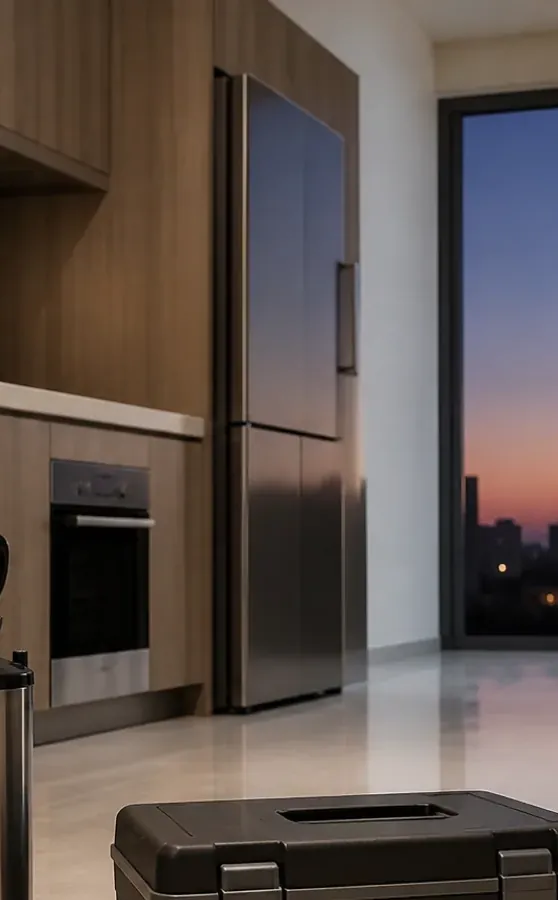
Al Majid is a small residential quarter in east Jeddah near the University of Jeddah road, one of the simpler districts where shops sit below flats in low-rise buildings. Cracks in these relatively older structures and tight, ageing drains create deep shelters where insects hide. Moisture from nearby Wadi Al Ghawla keeps them active year-round, so treatment here must reach into layers other areas do not face.
The deep cracks in the old foundations of Al Majid provide particularly deep shelter for insects, difficult to spot but rich in the damp environment insects need. For the method itself, see our pest control service in detail.
Buildings in Al Majid are relatively older, and their foundations are split by cracks far deeper than surface application methods can reach. Insects nest in these deep voids and emerge at night to feed, then retreat into shelter. Treatment here requires understanding the depth of the hiding places and how to cut off the routes insects use to reach your living space.
Drainage pipes in Al Majid are narrow and very old, and reaching into them from inside the home is difficult. These ancient pipes create the perfect insect environment: continuous moisture and shelter from disturbance. Treatment focuses on the points where drains exit the house and the gaps surrounding them.
Wadi Al Ghawla lies close to Al Majid, and the soil here is dense and moisture-retentive even weeks after dry spells. This continuous damp environment attracts soil-dwelling insects and humidity-loving pests, keeping them active and fertile year-round. It changes which insects will appear and how often.
A simple residential district on the northern extension toward Asfan, with low buildings and relatively older flats, and damp soil from proximity to the wadi and the coast.
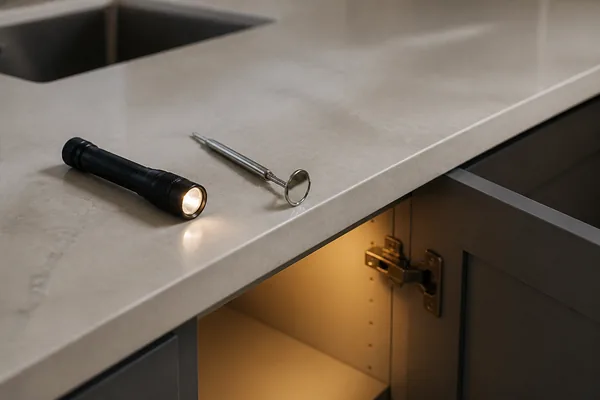
Inspection in Al Majid focuses on gaps around foundations and shared pipes, not just the flat interior, because the main shelters lie in the old foundations and shared services running through the building.
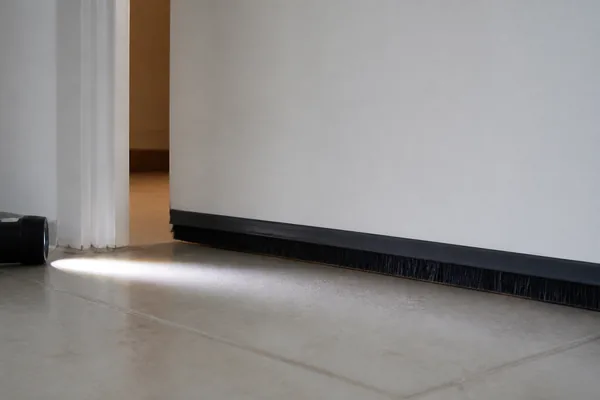
Entry points are multiple: cracks around pipes and cables, gaps under external and internal doors, and voids between flats through shared walls where pipes and services pass.
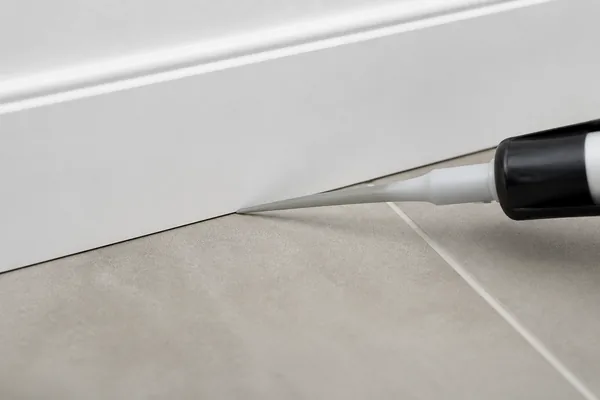
Cracks and gaps in old foundations are treated with special focus on where drains exit the house and where the floor meets the outer walls, because those points hold the deepest and most inaccessible cracks.
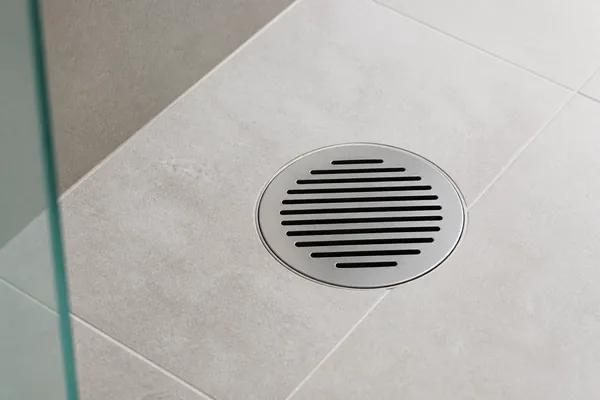
Shared drains and pipes are the main route insects use to travel between flats. We focus on external discharge points and gaps around pipes before they enter the building and after they leave it.
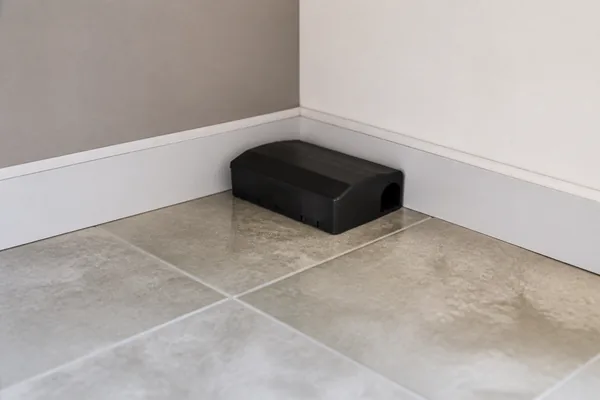
Bait is placed along the main routes: around external pipes, in gaps under doors, and in voids between flats if insects are moving across from neighbours.
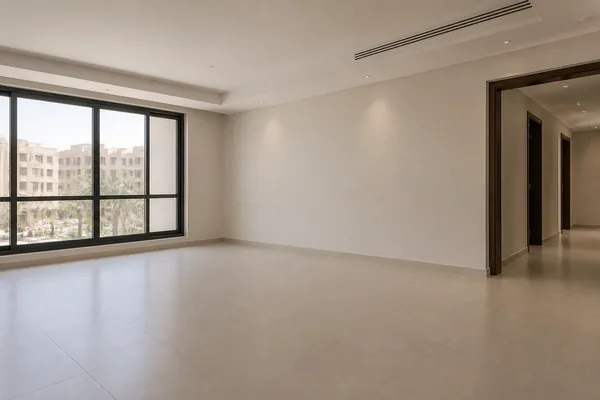
Follow-up in Al Majid targets pipes and foundation gaps, because continuous moisture from the wadi keeps these areas permanently attractive as insect shelters and breeding grounds.
Droppings, damage and where they appear tell us the pest and roughly where it's nesting.
Gaps around pipes, thresholds and vents are the supply line.
Product goes into voids, cracks and the runways they use, not the open floor.
In the spaces spray can't reach, bait does the work, carried back to reach the nest and the ones that never surface.
Closing the easy entry points turns a constant re-supply into a closed problem, so the treatment isn't fighting a fresh wave every week.
Before leaving we walk the home with you and show you what was treated.
Spraying what walks across the floor is the common mistake we're called in to fix.
The company runs a large crew, and we send a team rather than one person.
Ants, cockroaches and rodents each need different products and placements.
If what you have is a one-off that doesn't need treating, or a structural issue for a builder, we tell you.
Photographs from real jobs carried out by the crew.












The commitment is simple enough to actually keep: we show you what was treated, and we stand behind it within the agreed cover.
Mixed district: shops at street level with homes above them
In a mixed district like Al Majid, insects move easily from ground floor shops into the flats above through old foundations and shared services, so treatment focuses on sealing these shared passages and not just the flat itself.
We provide these in Al Majid too, and more than one can share a single visit.



