
We treat the source, not the sighting
Spraying what walks across the floor is the common mistake we're called in to fix.

Um Hablain West is a mixed district in east Jeddah near the airport and equestrian academy, where ground-level shops make insect treatment a coordination challenge between units. Insects exploit shared pipes and wall voids to climb from shops into residential spaces above, seeking food and moisture in a district where commercial goods arrive daily.
Ground-floor businesses receiving daily deliveries from the airport and nearby ports mean insects enter the district continuously through distribution trucks, establishing infestations faster than in purely residential areas. For the method itself, see our pest control service in detail.
Close proximity to the airport means shops in Um Hablain West receive deliveries from trucks that may carry insects within cartons and packaging. Insects transported with goods settle in the shop then climb into flats above through shared pipes and walls, creating a continuous re-infestation cycle as new deliveries arrive.
Despite relatively modern street design, the mixed-use buildings themselves were constructed using traditional methods that leave gaps in walls and ceiling voids. Modern street infrastructure does not compensate for shared voids between units where insects travel freely between commercial and residential spaces.
In mixed-use areas, treating your flat alone fails if the shop next door or neighbouring flat is infested. Insects traverse shared walls and pipes within days, making individual flat treatment futile without treating the entire building's sources.
The district sits between King Abdulaziz International Airport and Ofuq Al Khail Equestrian Academy, with relatively newer streets but mixed commercial and residential buildings that create complex pathways for insect movement.
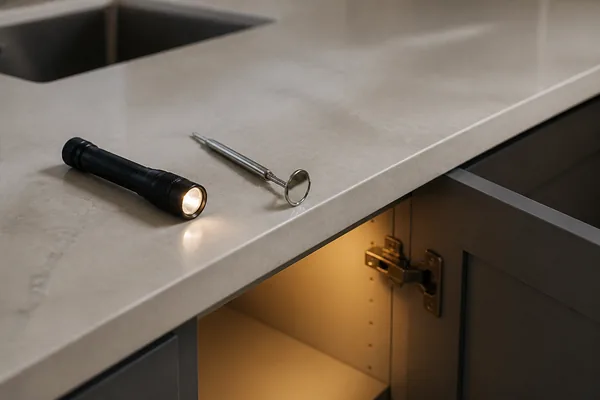
Distinguishing between insects arriving with deliveries and those established in the building helps identify whether the source is the shop, the supply chain, or an existing infestation in shared voids.
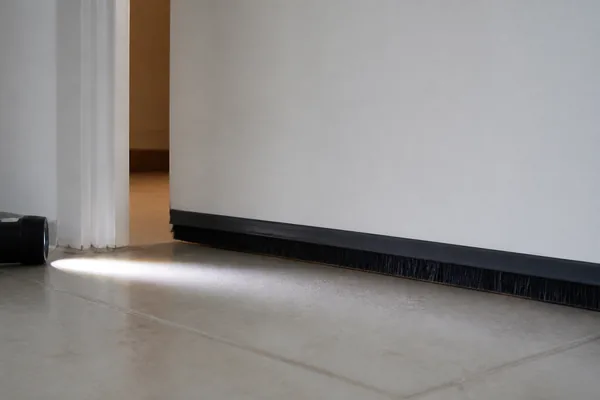
Pipes connecting shops to flats are the primary route. Source-tracking means inspecting pipe entry points and gaps around electrical conduit and water lines shared between units.
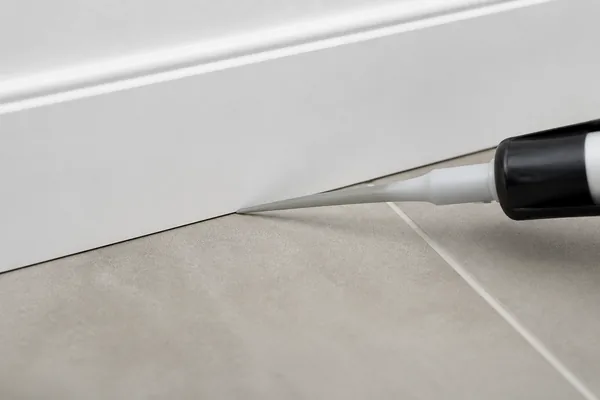
Where shops are continuous sources of incoming goods, sealing voids between units is the first step before any treatment, because the source keeps refreshing.
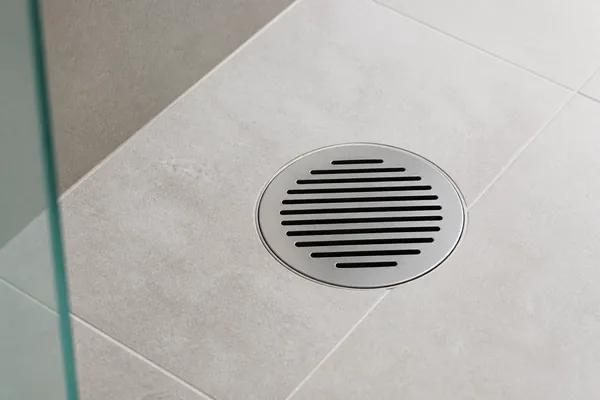
Treating shared drains is critical because shops often discharge contaminated water containing insect eggs and pupae that travel into residential spaces.
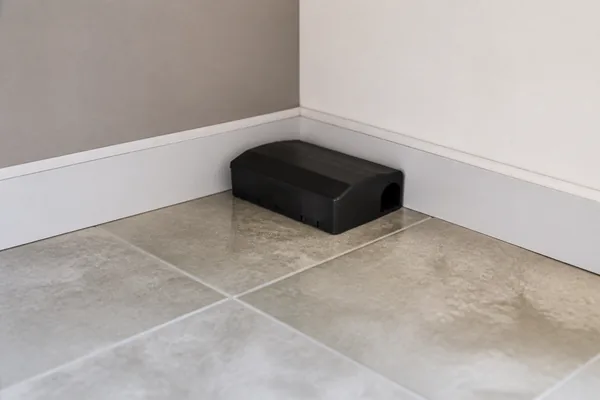
Bait is placed along shared voids and the routes connecting shop to flat, not only within the residential unit, because the shop is where insects establish first.
The follow-up plan depends on understanding goods movement and season. If import season is busy, monitoring must repeat more frequently because new insects arrive with each delivery.
Droppings, damage and where they appear tell us the pest and roughly where it's nesting.
Gaps around pipes, thresholds and vents are the supply line.
Product goes into voids, cracks and the runways they use, not the open floor.
In the spaces spray can't reach, bait does the work, carried back to reach the nest and the ones that never surface.
Closing the easy entry points turns a constant re-supply into a closed problem, so the treatment isn't fighting a fresh wave every week.
Before leaving we walk the home with you and show you what was treated.
Mixed district: shops at street level with homes above them
Mixed-use here means insects arrive not only from neighbours but from shops receiving airport deliveries daily. Treating your flat alone leaves a continuous doorway open from commercial units below.
Spraying what walks across the floor is the common mistake we're called in to fix.
The company runs a large crew, and we send a team rather than one person.
Ants, cockroaches and rodents each need different products and placements.
If what you have is a one-off that doesn't need treating, or a structural issue for a builder, we tell you.
Photographs from real jobs carried out by the crew.












The commitment is simple enough to actually keep: we show you what was treated, and we stand behind it within the agreed cover.
The district lies close to King Abdulaziz International Airport and Ofuq Al Khail Equestrian Academy, and this location determines the type of insects entering the area. Airport trucks bring insects with goods, whilst the academy provides seasonal insect sources linked to animal feed and livestock.
We provide these in Um Hablain West too, and more than one can share a single visit.



