
We treat the source, not the sighting
Spraying what walks across the floor is the common mistake we're called in to fix.
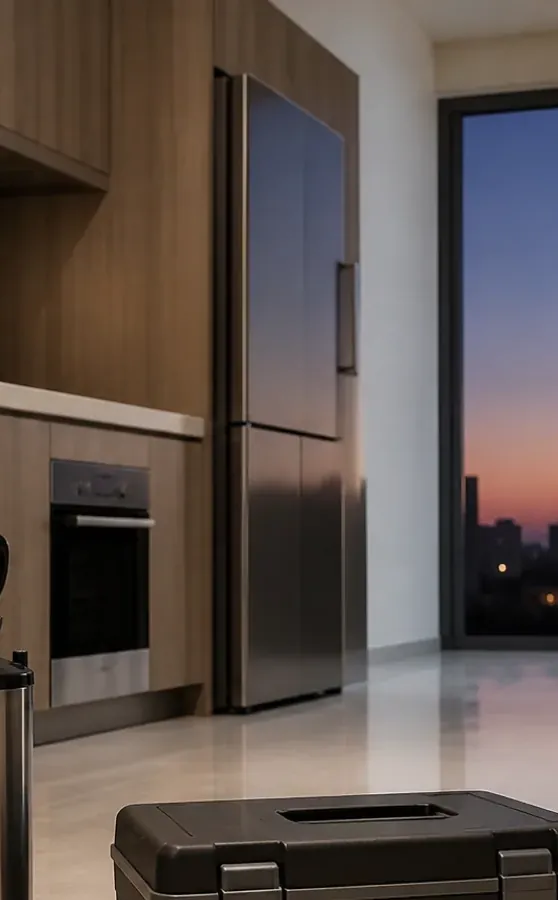
Al Nahdah is a mixed district running between King Abdulaziz Road and Prince Sultan Road along Hira Street, residential in its inner blocks with villas and apartments, while the main streets carry dense trade. It borders the Corniche, and salt persists in the air year-round, settling on glass as a haze that plain water spreads rather than removes. Salt penetrates balcony railings, outdoor fabrics and metal window frames. Indoors, humidity keeps carpets and curtains slightly damp, so they hold odours and dust longer, while wooden doors swell in the wetter months.
In Al Nahdah, carpets and curtains remain slightly damp and hold odours and insects longer than in drier inland quarters. For the method itself, see our guide to pest control.
Salt settles on glass as a haze that water spreads but does not remove, and it works into balcony railings, outdoor upholstery and metal window frames. Metal pipework corrodes and leaves gaps where insects shelter and multiply.
Humidity keeps carpets and curtains slightly damp, so they hold odours and dust longer than in dry quarters. Insects shelter in damp fibres and multiply faster in the moisture.
Wooden doors and frames expand slightly in the wetter months, creating gaps for insect entry. Lime scale appears quickly on floor grout and shower glass, marking the damp.
A western district facing the Corniche year-round, salt in the air persists throughout the year, metal fittings and pipework corrode quickly, and high humidity keeps fabrics and carpets noticeably damp.
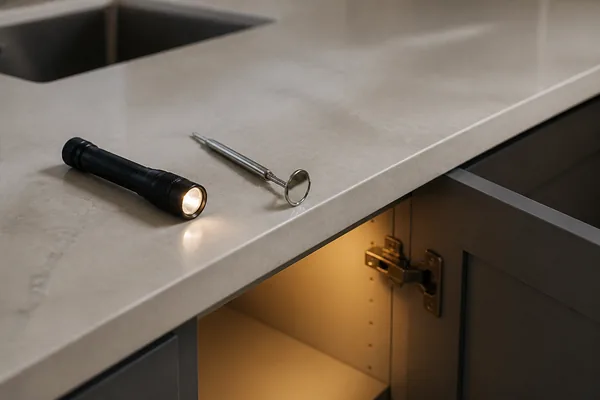
In Al Nahdah we inspect gaps around metal frames and wooden doors for insects, salt, rust and gaps caused by swelling. We pay particular attention to corrosion marks.
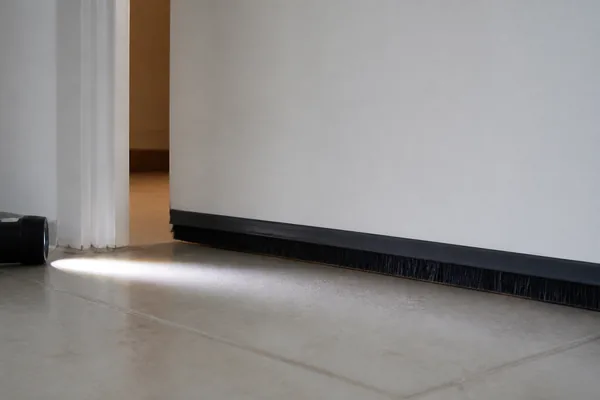
We track entry from the street and the Corniche, through windows, doors and ground floor shops. Salt and moisture enter from the main street and the sea nearby.
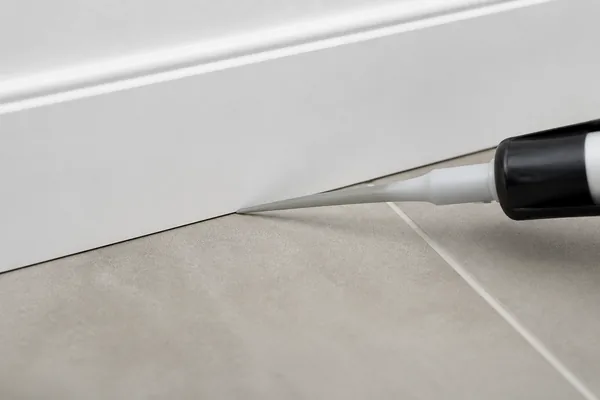
We treat gaps around metal frames and wooden doors, gaps from swelling and corrosion marks. We focus on gaps caused by salt action and humidity changes.
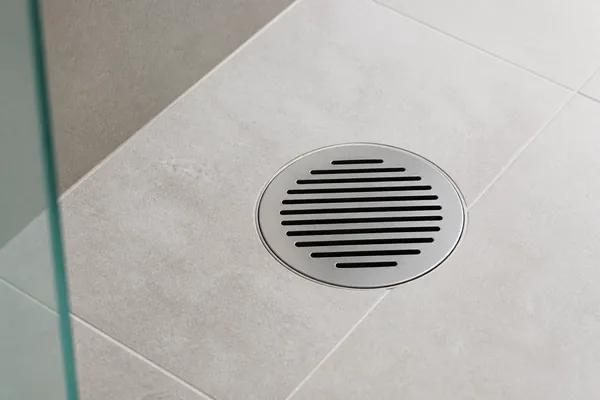
Moisture settles in bathrooms, kitchens and spaces around taps and drains. We inspect gaps around corroded metal risers and the corners where moisture lingers.
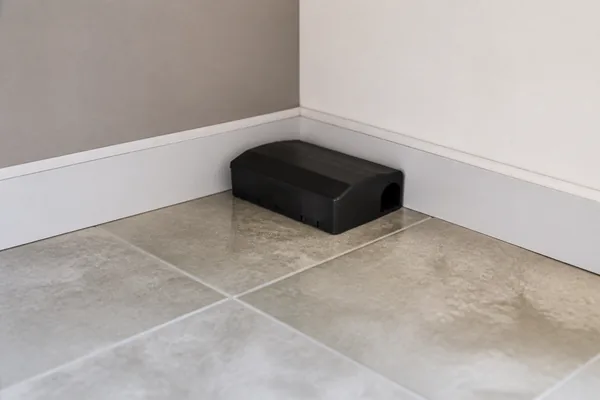
We place bait stations on window sills, in damp corners and around corroded pipework, beneath damp carpets and curtains, and in gaps beneath wooden doors that have swollen.
We establish a follow-up plan suited to the coastal environment, using shorter intervals than inland areas, and we recommend regular ventilation and frequent cleaning of curtains and rugs.
Droppings, damage and where they appear tell us the pest and roughly where it's nesting.
Gaps around pipes, thresholds and vents are the supply line.
Product goes into voids, cracks and the runways they use, not the open floor.
In the spaces spray can't reach, bait does the work, carried back to reach the nest and the ones that never surface.
Closing the easy entry points turns a constant re-supply into a closed problem, so the treatment isn't fighting a fresh wave every week.
Before leaving we walk the home with you and show you what was treated.
Al Nahdah sits along Hira Street between King Abdulaziz Road and Prince Sultan Road, where we reach your flats and villas from Hira Plaza and Al Nahdah Park, treating insects from the main thoroughfares and the gaps created by salt air and coastal humidity.
Spraying what walks across the floor is the common mistake we're called in to fix.
The company runs a large crew, and we send a team rather than one person.
Ants, cockroaches and rodents each need different products and placements.
If what you have is a one-off that doesn't need treating, or a structural issue for a builder, we tell you.
Photographs from real jobs carried out by the crew.












The commitment is simple enough to actually keep: we show you what was treated, and we stand behind it within the agreed cover.
West Jeddah faces the sea along the Corniche, and the flats and towers along it live with salt in the air all year. Salt settles on glass as a haze that plain water spreads rather than removes, and it works into balcony railings, outdoor fabric and the metal of window frames. Indoors, humidity keeps carpets and curtains slightly damp, so they hold odours and dust longer than in drier districts, and bathroom grout and shower glass show scale quickly. Wooden floors and doors swell a little in the wetter months.
We provide these in Al Nahdah too, and more than one can share a single visit.



