
We treat the source, not the sighting
Spraying what walks across the floor is the common mistake we're called in to fix.

Dhahban East is a rural coastal village area with scattered homes separated by open land and farmland. Insects here originate from the natural environment, farms and damp soil close to the sea. Treatment requires understanding how pests live in rural coastal habitat rather than in contained urban structures. The water table stays high from proximity to the shore, and vegetation grows year-round.
Coastal humidity, damp soil and nearby farms keep insects active throughout the year, not seasonally as in inland districts where dry periods interrupt pest cycles. For the method itself, see how we approach pest control.
Land surrounding rural homes is often cultivated or open space containing natural insect populations. A single treatment will not stop them because insects return from the surrounding environment continuously.
Proximity to the sea means constant high humidity that allows insects to breed even in winter. The damp coastal environment provides ideal conditions without clear seasonal breaks.
Homes are scattered with separate environments surrounding each. Treating one house requires deep understanding of the specific soil, plants and water around that property alone.
The eastern side of the coastal village of Dhahban, roughly twenty kilometres north of Jeddah, a rural area with farms, open ground and a heritage rooted in fishing and cultivation.
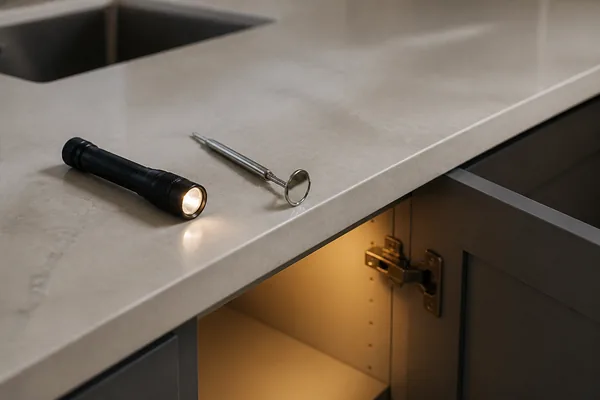
In a rural area we inspect the environment around the home first: open land, farms, soil and vegetation before entering the building.
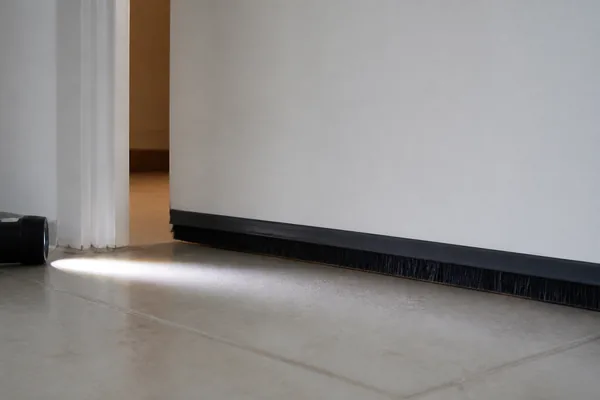
We trace entry points from surrounding land, the beach and farms, especially beneath windows and doors close to ground level.
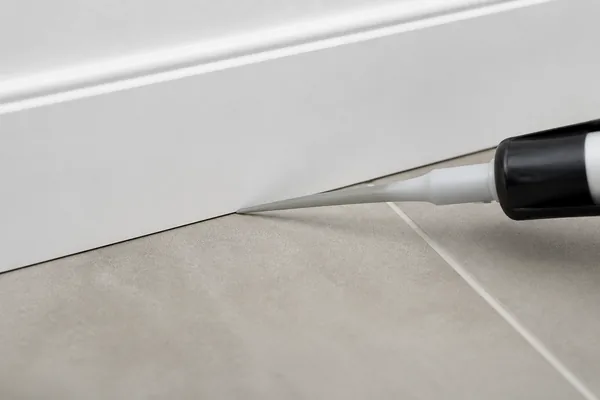
Cracks and gaps around the foundation are sealed with flexible materials that tolerate humidity, salt and ground movement.
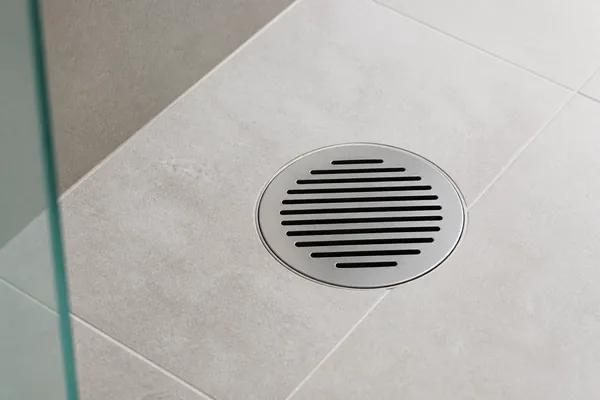
Drains around the home and water from irrigation and wells require close inspection because they are direct pest entry sources.
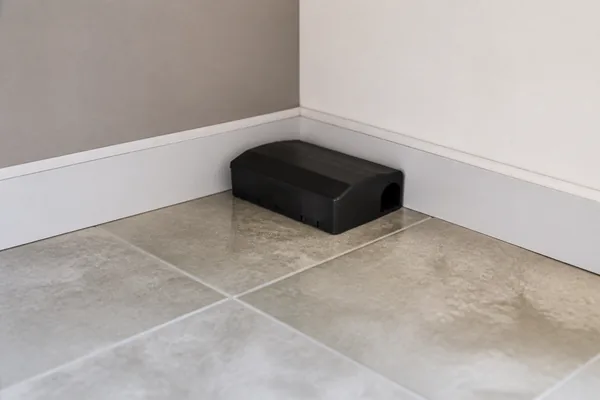
Bait is placed in surrounding land and gardens and along the home's outer walls at ground level.
Rural follow-up does not vary significantly between seasons because humidity remains constant and vegetation grows continuously.
Droppings, damage and where they appear tell us the pest and roughly where it's nesting.
Gaps around pipes, thresholds and vents are the supply line.
Product goes into voids, cracks and the runways they use, not the open floor.
In the spaces spray can't reach, bait does the work, carried back to reach the nest and the ones that never surface.
Closing the easy entry points turns a constant re-supply into a closed problem, so the treatment isn't fighting a fresh wave every week.
Before leaving we walk the home with you and show you what was treated.
Spraying what walks across the floor is the common mistake we're called in to fix.
The company runs a large crew, and we send a team rather than one person.
Ants, cockroaches and rodents each need different products and placements.
If what you have is a one-off that doesn't need treating, or a structural issue for a builder, we tell you.
Photographs from real jobs carried out by the crew.












The commitment is simple enough to actually keep: we show you what was treated, and we stand behind it within the agreed cover.
Dhahban East sits near Dhahban Park and King Abdulaziz Road which connects it to neighbouring areas, defining our access routes and the natural environment surrounding the rural homes.
We provide these in Dhahban East too, and more than one can share a single visit.



