
We treat the source, not the sighting
Spraying what walks across the floor is the common mistake we're called in to fix.
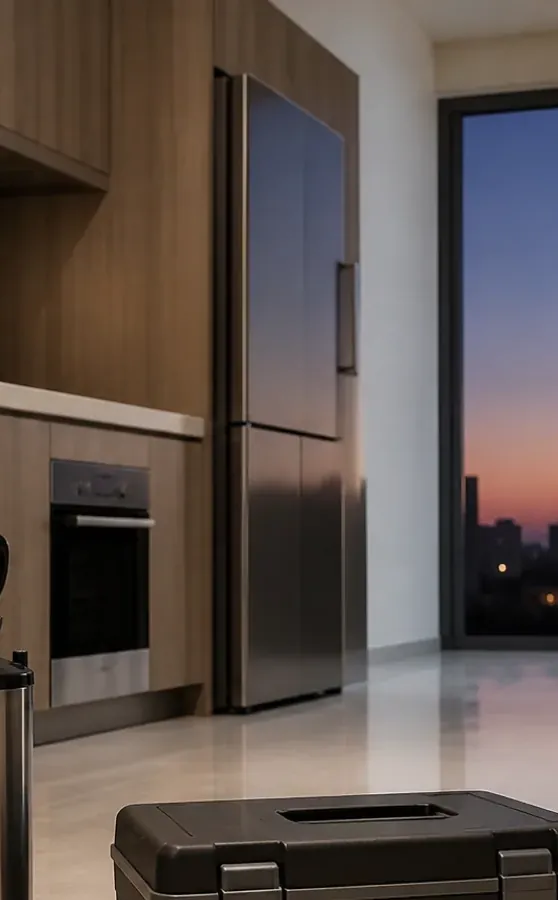
Taybah Ruhaili is a mixed district where homes sit directly above street-level shops, allowing insects to move freely between floors through shared walls and pipes. Effective treatment here requires coordination between residents and shop operators to seal common entry routes and eliminate sources across both the commercial and residential spaces.
Ground-floor businesses are often direct sources of insects for the flats above them, particularly when those shops receive regular deliveries and store food stock that attracts cockroaches and ants. For the method itself, see our guide to pest control.
Mixed-use buildings with shops below and flats above share walls, ceiling voids and pipe runs. Insects migrate from a sealed shop floor into an adjacent residential unit, or travel upward from ground level through shared electrical conduits and drainage. A flat treated alone becomes re-infested within days from the commercial space below.
Rising retail and food service activity brings food stock and waste in larger quantities. Each new shop is an additional food distribution point for insects. Treatment of the flat alone leaves the shop as a living source, so insects return before the first follow-up visit.
Mixed-use buildings commonly share water pipes and drainage between floors and units. Treating a flat alone is ineffective if the shared drain or internal wall pipes are infested from the commercial side, because insects travel through them to return.
The district lies between Asfan Road and Jeddah Madinah Road in northeast Jeddah, where shops and residential units share the same building envelopes, making insect transfer between commercial and domestic spaces straightforward.
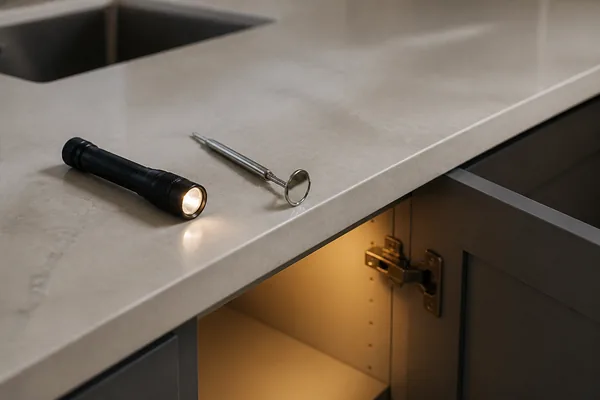
In mixed-use districts, distinguishing between insects seen in the shop and those in the flat helps identify whether the primary source is below or above, and which unit is more heavily infested.
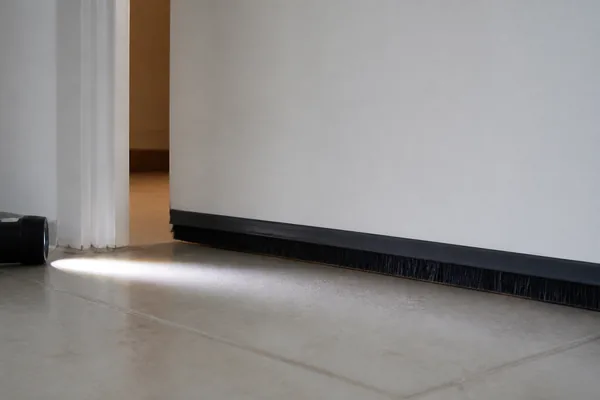
Shared voids between floors and units are the main pathways for insect movement. Source-tracking means inspecting shared walls, ceiling voids and pipes from both the commercial and residential sides.
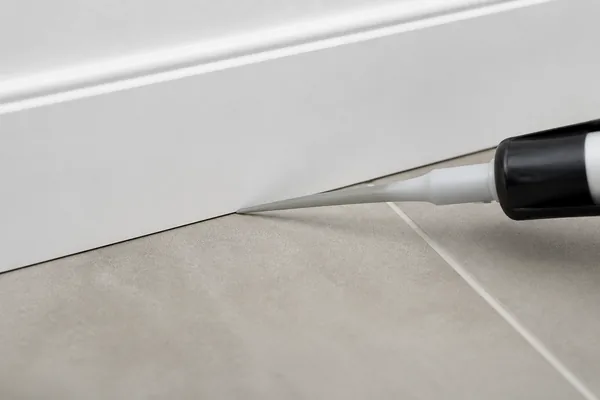
Sealing cracks and voids in mixed buildings requires agreement from all parties so no single shared gap is left unsealed, allowing re-infestation from the other side.
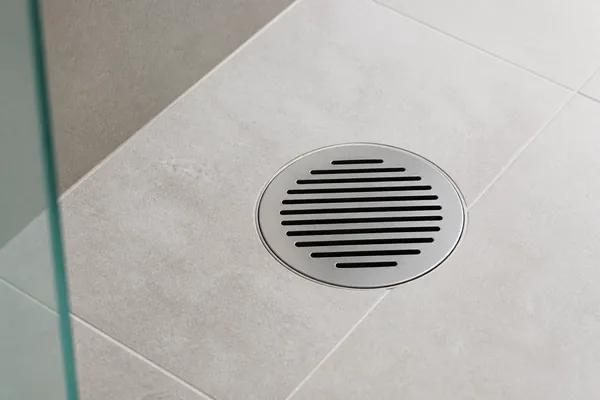
Shared drains between shop and flat are critical. Drain treatment must coordinate all units so water-borne pests cannot return from the commercial side.
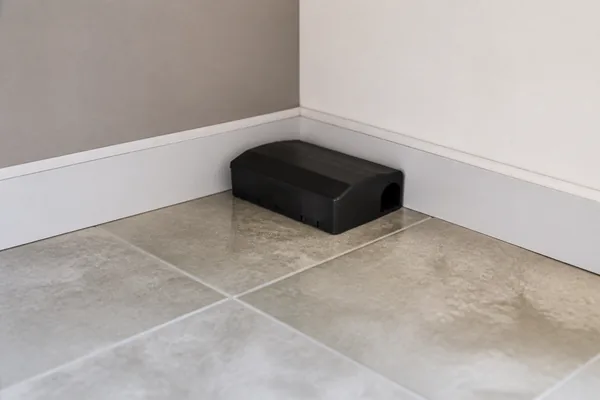
Bait is placed along shared movement routes, not only inside your flat. The shop below is the natural distribution hub where insects feed before climbing to your space.
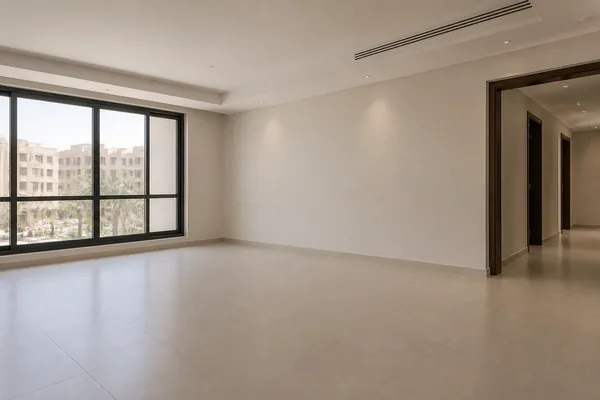
Follow-up monitoring covers both the flat and shop together. Insects will not stay gone from the flat if the shop remains an active source, and that source will feed them back up the shared pipes.
Droppings, damage and where they appear tell us the pest and roughly where it's nesting.
Gaps around pipes, thresholds and vents are the supply line.
Product goes into voids, cracks and the runways they use, not the open floor.
In the spaces spray can't reach, bait does the work, carried back to reach the nest and the ones that never surface.
Closing the easy entry points turns a constant re-supply into a closed problem, so the treatment isn't fighting a fresh wave every week.
Before leaving we walk the home with you and show you what was treated.
Mixed district: shops at street level with homes above them
Mixed-use here means treating your flat alone is an incomplete strategy. Insects ignore property lines and move freely from the shop that opens its doors daily into your sealed home seeking food and water.
Spraying what walks across the floor is the common mistake we're called in to fix.
The company runs a large crew, and we send a team rather than one person.
Ants, cockroaches and rodents each need different products and placements.
If what you have is a one-off that doesn't need treating, or a structural issue for a builder, we tell you.
Photographs from real jobs carried out by the crew.












The commitment is simple enough to actually keep: we show you what was treated, and we stand behind it within the agreed cover.
Taybah Ruhaili is located at the intersection of Asfan Road and Jeddah Madinah Road, the two main routes that bound the district to its north and west. This junction position makes treatment access straightforward but also means pest pressure from commercial traffic on both roads flows directly into the district's mixed buildings.
We provide these in Taybah Ruhaili too, and more than one can share a single visit.



