
We treat the source, not the sighting
Spraying what walks across the floor is the common mistake we're called in to fix.
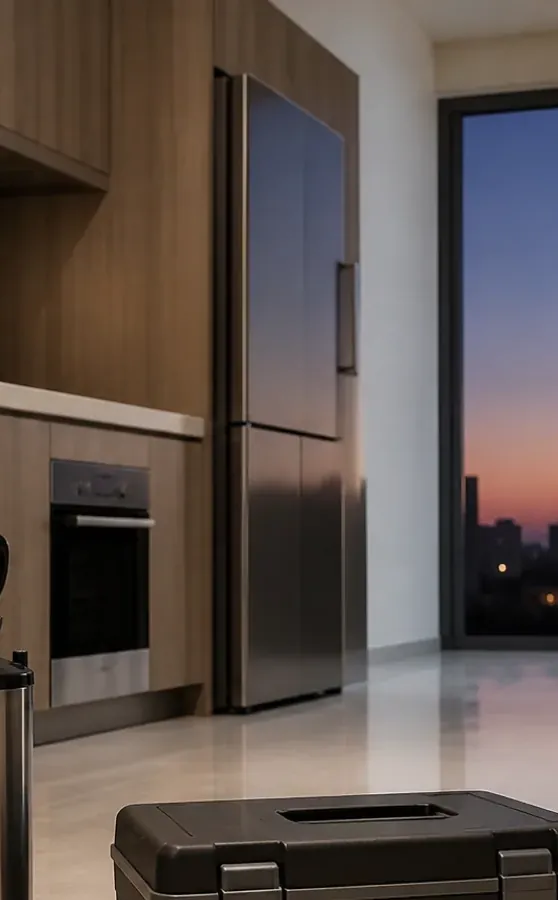
Abhur South sits directly on Obhur Creek, a coastal zone defined by high humidity and salt air that accelerates metal corrosion, draws moisture into walls and floors, and creates ideal breeding conditions for pests. Insects here thrive in damp voids. The salt air means some standard treatments lose effectiveness, so material choice is fundamentally different here from inland districts.
Permanent coastal humidity means pests breed visibly faster here than in drier districts. Mould and moisture usually arrive before insects are seen, signalling the right habitat has formed. For the method itself, see our pest control service in detail.
Salt air and permanent moisture from the sea create an ideal environment for rapid pest breeding. Walls and footings absorb moisture, leaving wet voids under floors and behind panels and ceilings, which are preferred hiding places where populations boom.
Metals and fixtures rust faster in salt air, so gaps around pipes widen quickly. Older footings crack horizontally from moisture stress, and these cracks become easy entry routes that grow wider each season as water works through the concrete.
Windows and doors facing the water suffer from wood swelling and permanent moisture, leaving gaps around frames. Treating these requires materials that withstand salt and continuous damp, unlike inland locations where drier conditions dominate.
A coastal zone on the gulf directly, known for chalets, rest houses and resorts, reached by main roads from the city, with a public corniche running the length of the waterfront.
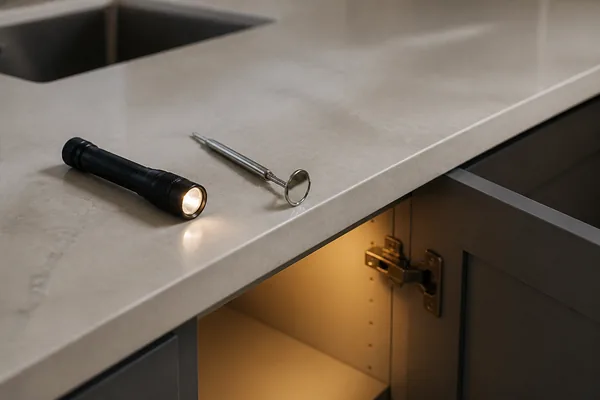
Inspection focuses on damp voids and moisture related cracks, because most insect populations live below the surface in coastal environments.
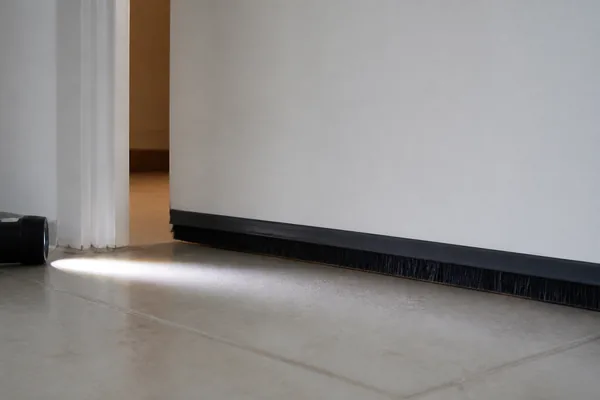
Entry points from outside include gaps around seaward windows and doors, and gaps around old fixtures that have rusted and expanded.
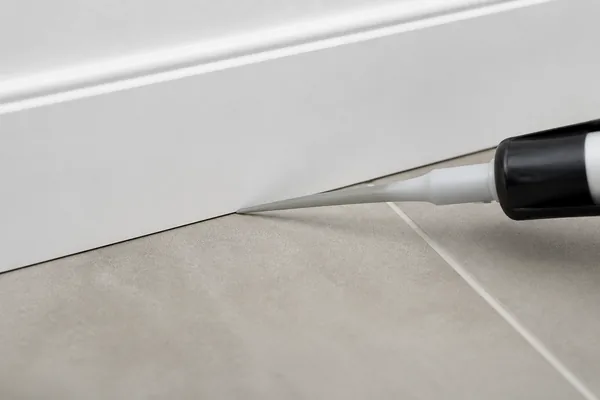
Cracks in footings and walls caused by constant moisture are sealed with salt resistant materials suited to the coastal zone.
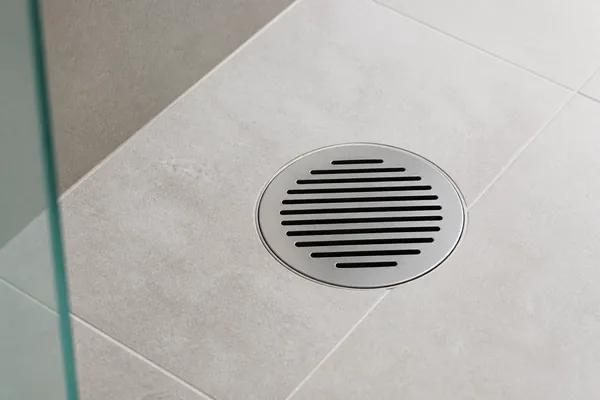
Drains and damp areas around pipes and fixtures need special care with materials chosen for permanent moisture conditions.
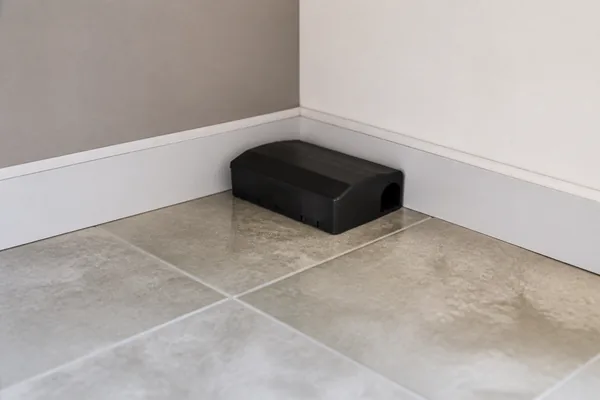
Bait is placed in damp voids and areas under floors where insects spend most of their time seeking moisture.
Follow-up includes checking for new damp cracks and moisture damage, with seasonal plan adjustments to match coastal building wear.
Droppings, damage and where they appear tell us the pest and roughly where it's nesting.
Gaps around pipes, thresholds and vents are the supply line.
Product goes into voids, cracks and the runways they use, not the open floor.
In the spaces spray can't reach, bait does the work, carried back to reach the nest and the ones that never surface.
Closing the easy entry points turns a constant re-supply into a closed problem, so the treatment isn't fighting a fresh wave every week.
Before leaving we walk the home with you and show you what was treated.
Spraying what walks across the floor is the common mistake we're called in to fix.
The company runs a large crew, and we send a team rather than one person.
Ants, cockroaches and rodents each need different products and placements.
If what you have is a one-off that doesn't need treating, or a structural issue for a builder, we tell you.
Photographs from real jobs carried out by the crew.












The commitment is simple enough to actually keep: we show you what was treated, and we stand behind it within the agreed cover.
Abhur South runs along the South Obhur Corniche from north to south along the water, and is reached by main roads such as King Abdulaziz Road and Madinah Road, making scheduling and access to each zone straightforward.
We provide these in Abhur South too, and more than one can share a single visit.



