
The access to reach it safely
A crystal fixture over a stairwell is not a job for a kitchen stool.
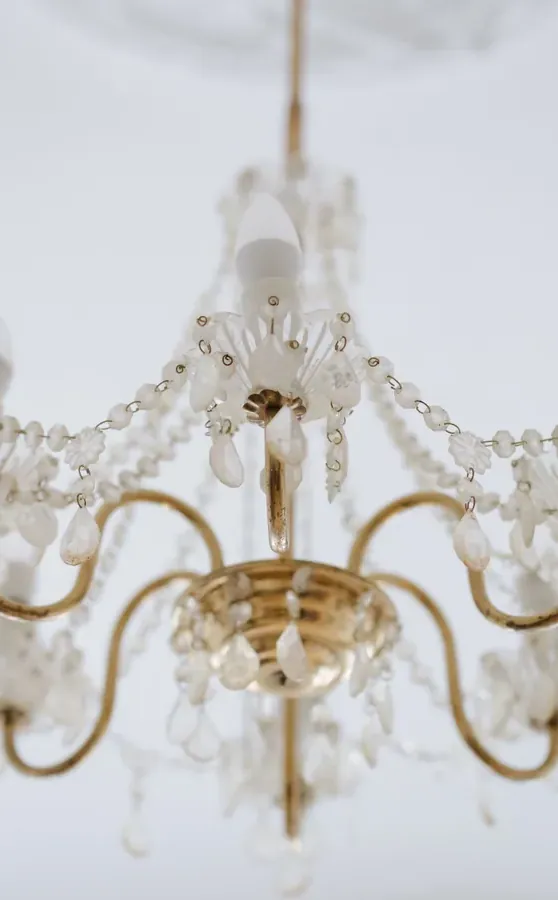
Al Hamra is an established upmarket district where the coast meets the city, with chandeliers hanging in villas and apartment towers alike. Salt air and high humidity attack both glass and metal at the same time, and the fading light is a sign that deposits have thickened. The district demands professional care, because the pieces here are often valuable.
Large fixtures in the high ceilings of towers and villas need a trained crew with proper equipment, and electrical faults from internal humidity can start before you notice any dimming of the light. For the method itself, see the full chandelier cleaning page.
Al Hamra has spacious villas and apartment towers with high ceilings, and chandeliers here are often imported and valuable. Reaching them on a standard ladder is unsafe, and a quick clean from below can drop a crystal. The team needs professional equipment, lifting capability and experience handling expensive pieces.
The Red Sea is close enough that salt air settles on every metal and glass surface. Brass frames tarnish, and electrical connections begin to corrode underneath the tarnish. Crystals cloud over quickly, and damp dust sticks hard and does not brush away easily.
Al Hamra has both villas and flats, and the tall apartment blocks carry heavy fixtures, whilst shops below send heat and cooking vapours upward. The chandelier traps all of this, and cleaning requires power isolation, time and a team that understands urban dust.
An established waterfront neighbourhood on the Red Sea shore with villas, apartment towers and hotels facing the Corniche, where high humidity and sea salt penetrate to every ceiling level.
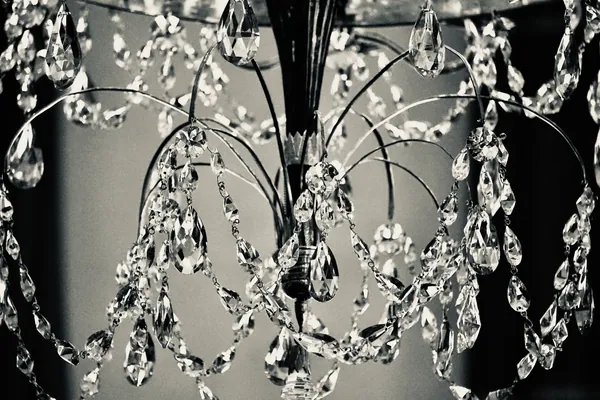
Chandeliers in Al Hamra may be French crystal or reprocessed materials, and detailed photography of each component ensures every piece returns to its original position and orientation.
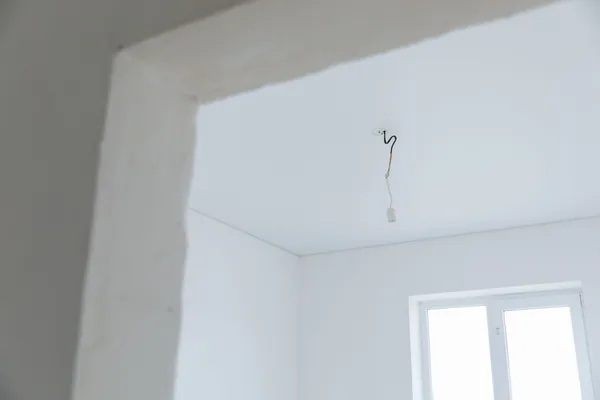
Safe electrical isolation in a high apartment or tower block requires meter testing, because coastal humidity can leave a live current even after the light is switched off.
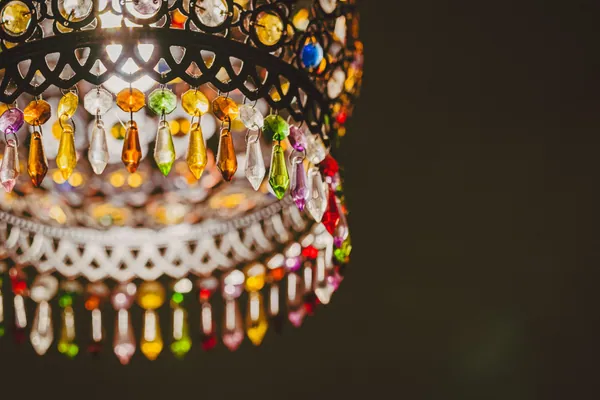
Photographs of crystal arrangement, arm positions and wire routing before dismantling protect you from confusion when the piece is reassembled in a high ceiling with dim lighting.
Each piece is washed in warm fresh water with a soft brush, and metal is cleaned with a solution that removes salt and oxidation without scratching the finish.
Frame and arms are wiped thoroughly with a damp cloth, and very tight gaps are cleaned with a flexible tool to reach deposits that are invisible in dim light.
Lights are restored with care, and tested with a meter before you switch the main panel, and the crew leaves only after you approve the result.
The circuit is switched off before anything is touched, and warm bulbs are given time to cool.
We check how it is built, which crystals are loose, and how it comes apart before removing a thing.
The area under the fixture is covered before we start, so a dropped crystal lands soft and nothing marks the floor or table below.
Where the piece allows, crystals come off and are washed and dried individually.
With the crystals off or aside, the frame, arms, bulb holders and ceiling mount are wiped down, since that is where film and webs hide behind the glass.
Every crystal goes back to its place, the fixture is switched on and checked, and we walk the room with you.
A crystal fixture over a stairwell is not a job for a kitchen stool.
We send a team, not one person, so crystals come off, get washed and go back in one visit, without a lone worker hurrying a fragile piece to finish before dark.
Whether crystals come off or are cleaned in place depends on how the fixture is built.
Nothing is done until the fixture is back together, switched on, and you have seen it throw its light.
Photographs from real jobs carried out by the crew.












The commitment is simple enough to actually keep: we do not leave until the fixture is reassembled, lit, and you have seen it for yourself.
Coastal area: high humidity and salt air through the year
The coast means metal and wiring deteriorate fast, so work here focuses on removing salt from every gap before humidity returns to it. The team takes longer and tests every connection twice, because sea air is relentless.
We provide these in Al Hamra too, and more than one can share a single visit.



