
The access to reach it safely
A crystal fixture over a stairwell is not a job for a kitchen stool.
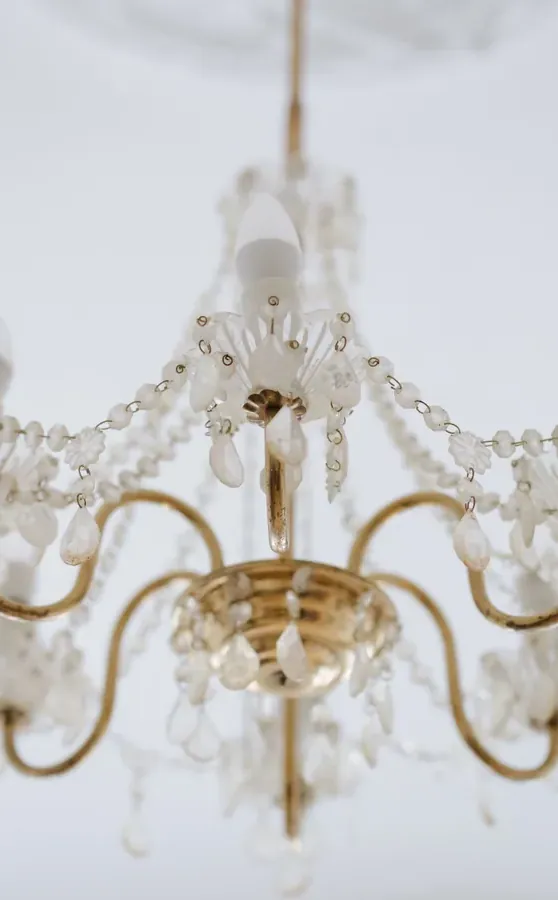
Al Sahel sits directly on the sea, and salty moisture deposits on every part of a chandelier throughout the year. Salt attacks metals far more aggressively than ordinary dust, and humidity causes grease to stick and harden quickly. Cleaning here requires solutions that protect against rust and corrosion, and drying must be complete before reassembly.
Chandeliers here need cleaning more often than inland districts. Salt deposits on glass quickly and metals rust if not protected with care. Humidity traps salt smell between the arms, and the odour spreads through the home if not fully removed. For the method itself, see how we approach chandelier cleaning.
Sea air salt settles on chandelier screws, brass, and plated fittings, and rust begins under the glass before it is visible to the eye. Every cleaning must include inspection of the metals and protection against deposited salts before reassembly. A fitting that looked fine on the day may rust within weeks if salt residue is left behind.
Constant coastal humidity makes grease and dust stick far harder than in dry areas. Incomplete drying causes mildew smell under the arms within a week. The chandelier here needs complete drying within a set timeframe, not left half dry. Airflow and heat are part of the method, not an afterthought.
Crystal and glass survive salt but the white deposit that builds up needs specific solutions and not rough friction. Wrong rubbing leaves fine scratches that trap more salt. Each piece must be wiped with safe solutions, rinsed in purified water, and dried completely. A chandelier glossy at night may be filmed again within a month if the process is rushed.
Al Sahel is an emerging coastal district near Al Saif Corniche on the Red Sea, mixing villas, apartments and commercial premises in a location exposed directly to sea air all year round with high salt content.
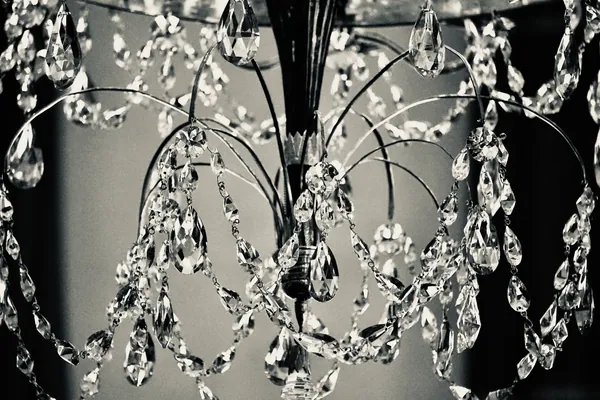
Coastal chandeliers need close inspection for early rust on metal fittings before we begin, because cleaning may expose internal corrosion that was hidden.
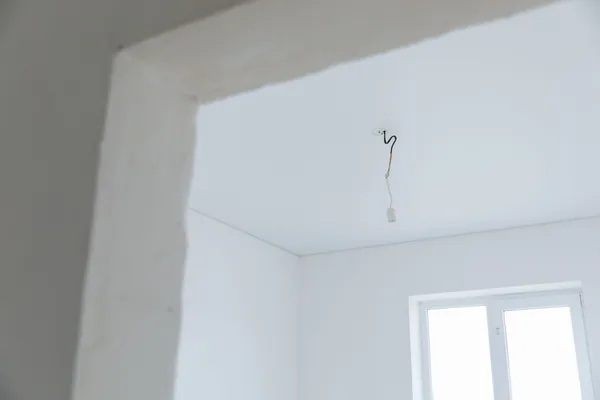
Cutting power is critical here because moisture may cause an electrical leak. We let the fixture cool and any condensation evaporate before touching anything.
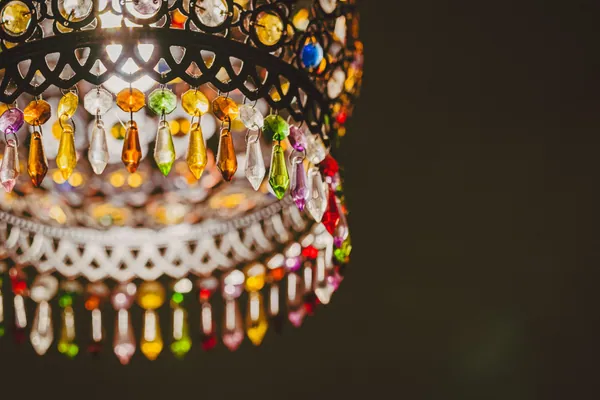
We photograph the layout before dismantling and watch for rust or cracks because salt may have weakened joints that look solid but will break during removal.
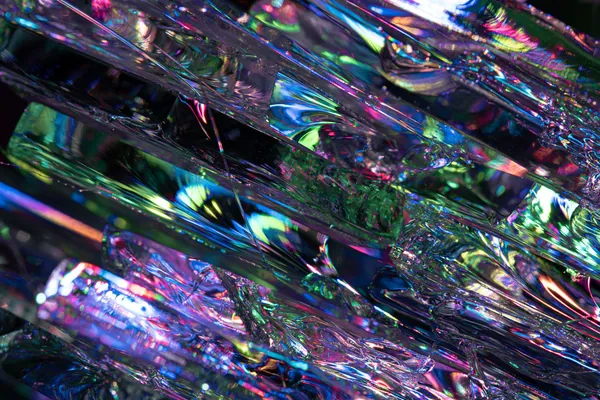
Each piece is washed in purified water, not tap water, because dissolved minerals and salt in mains water will leave white marks on glass and cause new corrosion on metals.
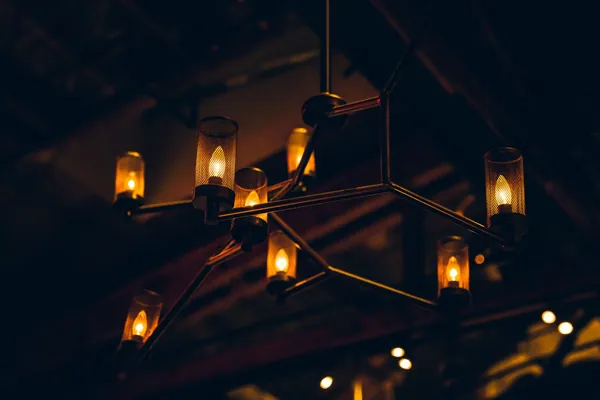
Frame and arms are wiped with specialist solutions that remove salt and oxidation without scratching. Rusty metals need careful treatment to avoid spreading corrosion further.
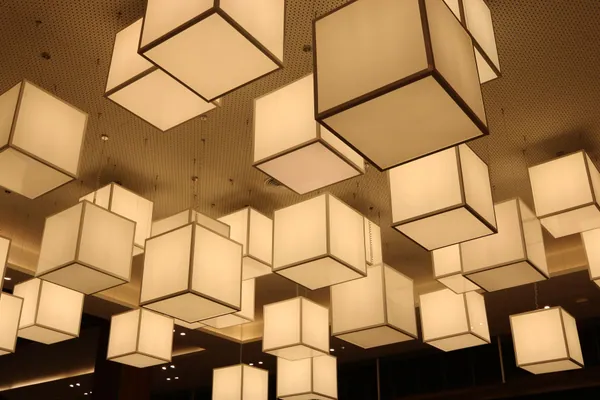
Reassembly requires complete drying and power checks. We light the chandelier and correct lighting means every piece is in place and every connection is solid before we step away.
The circuit is switched off before anything is touched, and warm bulbs are given time to cool.
We check how it is built, which crystals are loose, and how it comes apart before removing a thing.
The area under the fixture is covered before we start, so a dropped crystal lands soft and nothing marks the floor or table below.
Where the piece allows, crystals come off and are washed and dried individually.
With the crystals off or aside, the frame, arms, bulb holders and ceiling mount are wiped down, since that is where film and webs hide behind the glass.
Every crystal goes back to its place, the fixture is switched on and checked, and we walk the room with you.
Coastal area: high humidity and salt air through the year
Coastal areas raise the stakes significantly: salt causes rapid rust and humidity traps dirt. Every cleaning here must include extra metal protection, complete drying, and thorough inspection for hidden corrosion that may have begun.
A crystal fixture over a stairwell is not a job for a kitchen stool.
We send a team, not one person, so crystals come off, get washed and go back in one visit, without a lone worker hurrying a fragile piece to finish before dark.
Whether crystals come off or are cleaned in place depends on how the fixture is built.
Nothing is done until the fixture is back together, switched on, and you have seen it throw its light.
Photographs from real jobs carried out by the crew.












The commitment is simple enough to actually keep: we do not leave until the fixture is reassembled, lit, and you have seen it for yourself.
South Jeddah runs from the port and the industrial city down towards Al Khumrah, and homes here sit between the sea and the heavy goods roads. The dust is darker and oilier than in the north, a mix of diesel soot and workshop grit, and it clings to net curtains, window sills and the tops of kitchen cupboards. Floors in the older low rise housing are often plain cement or ceramic tile that darkens where soot is walked in. Humidity from the coast adds mildew in bathrooms and a musty smell in stored fabrics.
We provide these in Al Sahel too, and more than one can share a single visit.



