
The access to reach it safely
A crystal fixture over a stairwell is not a job for a kitchen stool.
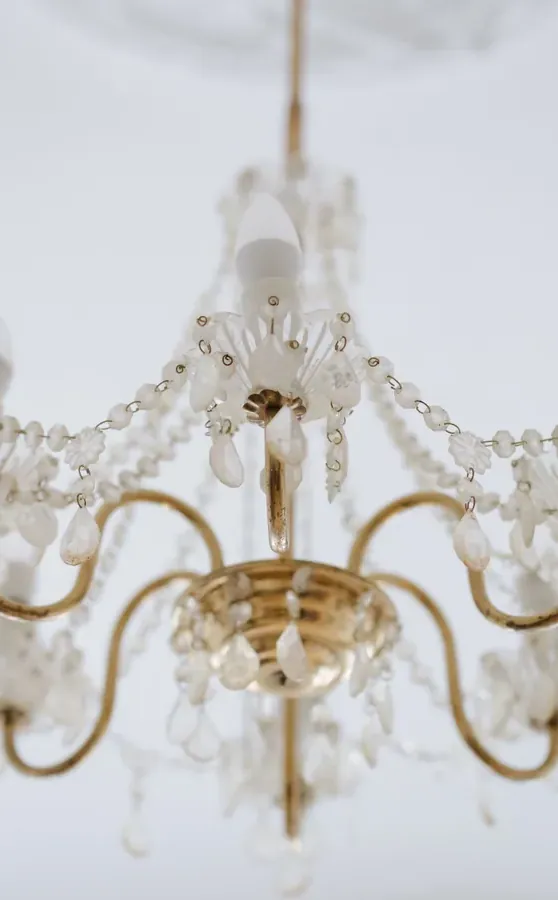
Al Ruwais is an old district west of Madinah Road, with dense apartment blocks of different ages. Some buildings date back decades, others were added more recently. Shared entrances mean coordinating access on busy stairwells, and the electrical wiring in upper floors is often unchanged since the blocks were first built. Floors are worn terrazzo and older ceramic tile, and kitchens are small with heavy mineral scale on taps and around drains. Chandeliers hang above these compact spaces gathering dust, grease and lime deposits from years of use.
Chandeliers in Al Ruwais collect mineral scale from old water and humidity combined. The old construction means many electrical runs pass near the fixture, and each run traps dust, rust and debris that must be understood before work starts. For the method itself, see what chandelier cleaning involves.
Upper floors in Al Ruwais carry electrical wiring unchanged for decades, sometimes routed around the chandelier itself. Horizontal cable runs trap dust and moisture, and the team must understand the wiring plan precisely before beginning. Older circuits are often fragile and require careful isolation.
The district is old and the water heated for domestic use leaves thick deposits on kitchen fittings and around the chandelier. Lime scale clouds metal and glass and requires cleaning methods suited to mineral buildup, not just dust or grease alone.
Flats here are compact and ceiling heights differ between buildings and floors. A fixture may hang very close to the ceiling in one flat and deep below it in another in the same block, requiring individual assessment of each location for safe access and protection.
The district sits close to the coast and the Corniche is near. Humidity penetrates the older buildings, and the smooth, worn floors absorb cooking grease that rises from the street and neighbours' kitchens below.
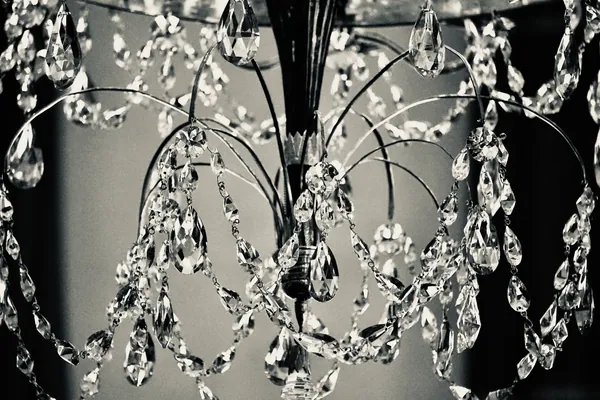
Chandeliers here are often old with rusted metal parts and deep mineral deposits, so inspection identifies any delicate or fragile pieces before any work begins.
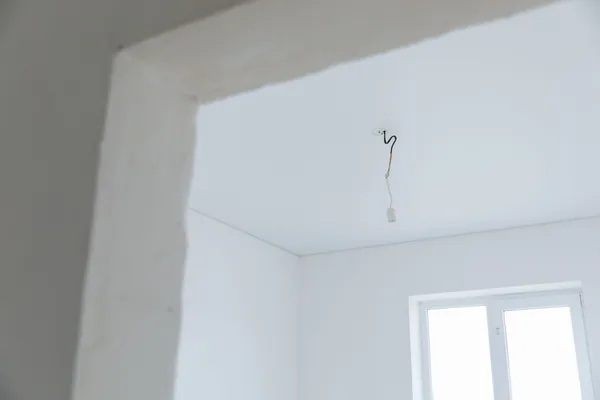
Isolating power in old construction means locating the circuit board, which may be distant or unclear, and resident coordination is necessary to find it and use it safely.
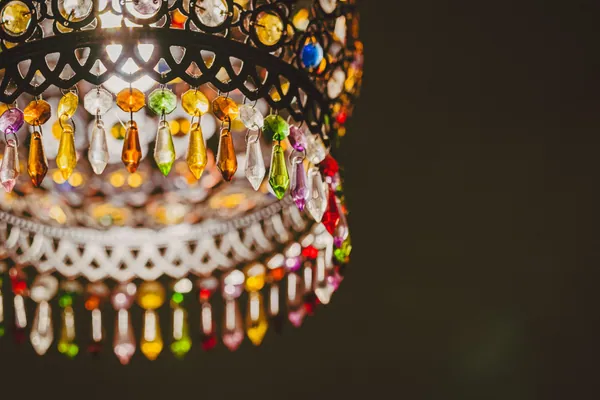
Photographing layout before dismantling is essential here because old fixtures may be complex and their original arrangement may have been lost years ago.
Washing each piece separately dissolves mineral scale and rust effectively, and thorough drying prevents moisture returning to the metal quickly.
Frame and arms must be cleaned deeply of lime scale and rust, and different metals may need separate attention to be restored properly.
Final inspection ensures every piece is in place and light is full, especially important in old flats where wiring and switches must be trusted.
The circuit is switched off before anything is touched, and warm bulbs are given time to cool.
We check how it is built, which crystals are loose, and how it comes apart before removing a thing.
The area under the fixture is covered before we start, so a dropped crystal lands soft and nothing marks the floor or table below.
Where the piece allows, crystals come off and are washed and dried individually.
With the crystals off or aside, the frame, arms, bulb holders and ceiling mount are wiped down, since that is where film and webs hide behind the glass.
Every crystal goes back to its place, the fixture is switched on and checked, and we walk the room with you.
Al Ruwais sits about 1.5 km from Al Sharafiyah and about 2 km from Al Baghdadiyah West.
Open in Google MapsA crystal fixture over a stairwell is not a job for a kitchen stool.
We send a team, not one person, so crystals come off, get washed and go back in one visit, without a lone worker hurrying a fragile piece to finish before dark.
Whether crystals come off or are cleaned in place depends on how the fixture is built.
Nothing is done until the fixture is back together, switched on, and you have seen it throw its light.
Photographs from real jobs carried out by the crew.












The commitment is simple enough to actually keep: we do not leave until the fixture is reassembled, lit, and you have seen it for yourself.
Central Jeddah is the old heart of the city: Al Balad with its coral stone houses, and the dense apartment quarters around it with shops beneath the flats. Floors here are often terrazzo or older ceramic tile, worn smooth and easily stained by cooking grease that drifts up from the street. Older kitchens and bathrooms carry heavy scale on taps and around drains, and pipework in the older blocks leaves rust marks in basins. Rugs and curtains take on the fine black dust of the main roads, so they need washing more often than elsewhere.
We provide these in Al Ruwais too, and more than one can share a single visit.



