
The access to reach it safely
A crystal fixture over a stairwell is not a job for a kitchen stool.
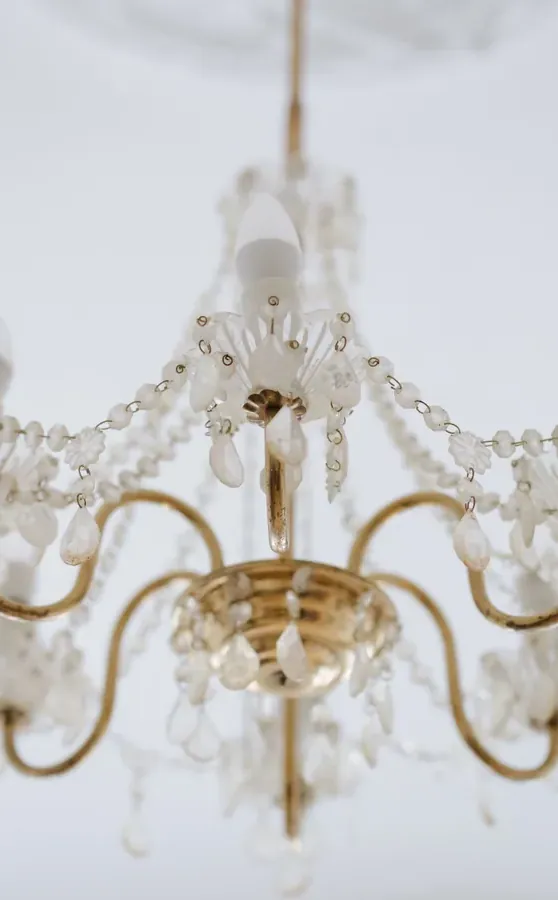
Al Sham is a historic quarter inside the old city wall, mixing housing with shops in a dense quarter where buildings are very old stone and chandeliers are often antique. The narrow lanes around Souk Al Alawi and Hassan Annani Mosque bring heavy black dust mixed with grease from shops and kitchens. Electrical wiring is decades old and unshielded, posing real safety risks before any work begins.
Dust here is heavy black soot from Souk Al Alawi main traffic, mixed with grease from bakeries and restaurants, leaving a black sticky residue on chandeliers. For the method itself, see our chandelier cleaning service in detail.
Al Sham buildings are very old stone, and the timber ceilings above may be damaged or weak. Fixture mounting may be unsafe, and we often find cracks in timber or sagging in the ceiling itself. We do not dismantle until we have assessed safety thoroughly, and may recommend ceiling reinforcement first.
Wiring in Al Sham may be fifty years old or older, often exposed or broken. We may find damaged insulation right beside the fixture, and there may be genuine fire risk. Isolating all power and requesting an electrician's inspection are essential before any work.
Souk Al Alawi and the main roads bring heavy black soot from traffic, mixed with grease from bakeries and restaurants. This combination leaves a sticky black layer on the chandelier that needs warm water and detergent, and careful washing of each piece separately to lift completely.
A historic quarter inside the old city wall in the north of Al Balad, facing the direction of Bilad al Sham, with heritage stone and timber buildings, close to Hassan Annani Mosque, Souk Al Alawi and Umm Hina Cemetery.
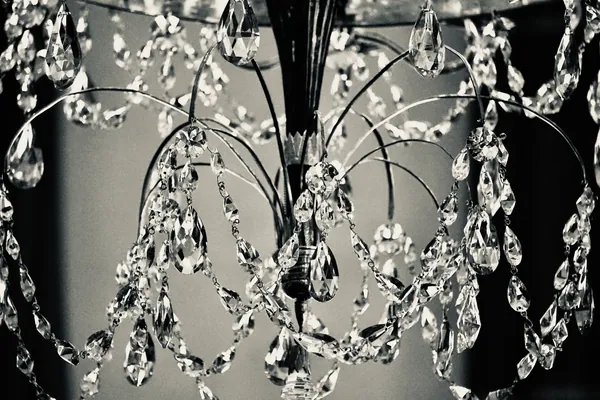
Very old stone buildings and timber mean mounting that may be unsafe, so we inspect meticulously before work and may recommend reinforcement beforehand.
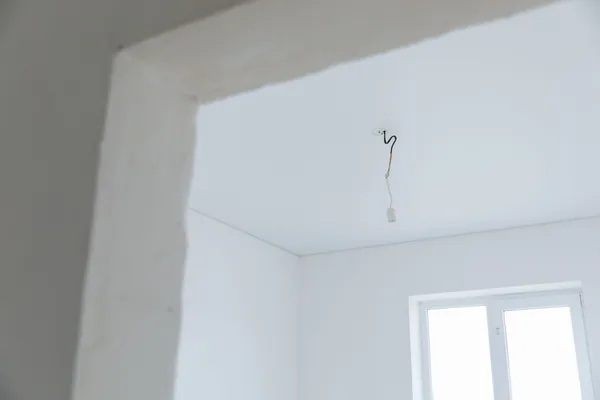
Power isolation is absolutely essential, and old wiring may pose genuine risk, so we request licensed electrical inspection before we touch anything.
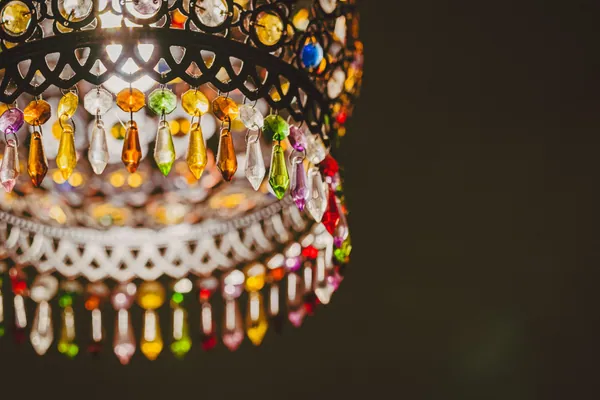
Photography before dismantling documents the condition and layout of old or rare pieces, preserving a record of their original state.
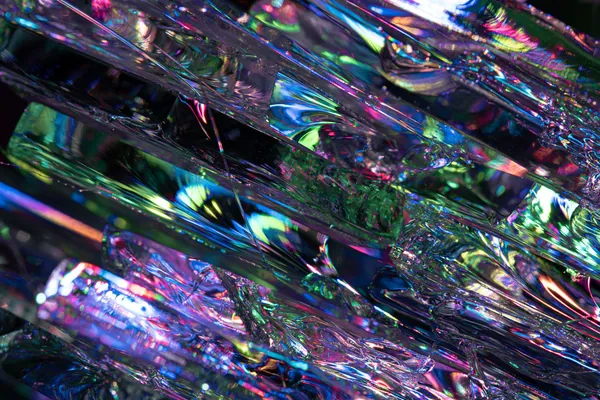
Washing uses warm water with gentle detergent and very soft brushes only, to avoid damage to old crystal or period coating that may be fragile.
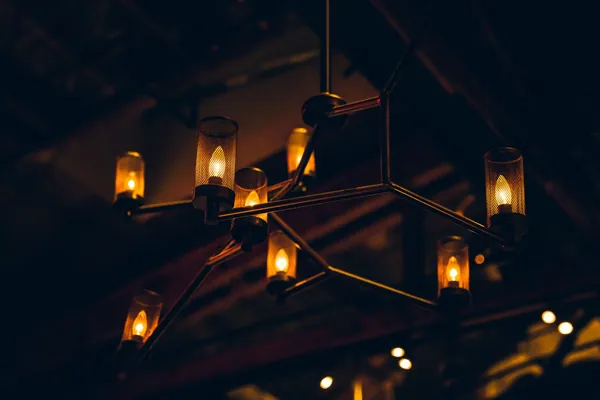
Frame and arms may be very weak or corroded, so we clean gently without aggressive scrubbing, and may preserve light patina if it is part of the piece's history.
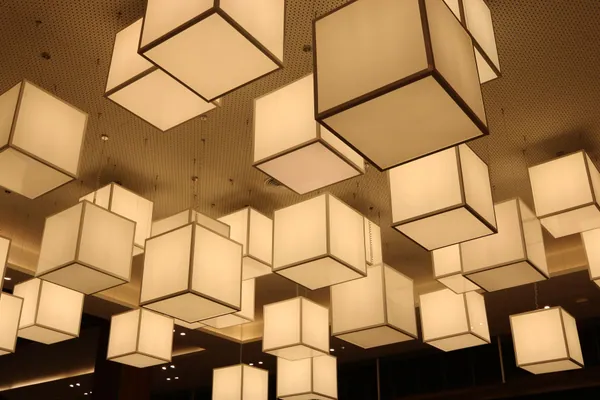
Reassembly uses extreme caution and checks all wiring first; we may recommend a licensed electrician's final inspection after the work completes.
The circuit is switched off before anything is touched, and warm bulbs are given time to cool.
We check how it is built, which crystals are loose, and how it comes apart before removing a thing.
The area under the fixture is covered before we start, so a dropped crystal lands soft and nothing marks the floor or table below.
Where the piece allows, crystals come off and are washed and dried individually.
With the crystals off or aside, the frame, arms, bulb holders and ceiling mount are wiped down, since that is where film and webs hide behind the glass.
Every crystal goes back to its place, the fixture is switched on and checked, and we walk the room with you.
Historic district: close-set buildings, narrow lanes and ageing services
A historic quarter means chandeliers that are often antique or rare with heritage value, and ceilings and wiring that pose genuine safety risks. We prioritise safety inspection with extreme care, then handle the piece with historical respect.
A crystal fixture over a stairwell is not a job for a kitchen stool.
We send a team, not one person, so crystals come off, get washed and go back in one visit, without a lone worker hurrying a fragile piece to finish before dark.
Whether crystals come off or are cleaned in place depends on how the fixture is built.
Nothing is done until the fixture is back together, switched on, and you have seen it throw its light.
Photographs from real jobs carried out by the crew.












The commitment is simple enough to actually keep: we do not leave until the fixture is reassembled, lit, and you have seen it for yourself.
Central Jeddah is the old heart of the city: Al Balad with its coral stone houses, and the dense apartment quarters around it with shops beneath the flats. Floors here are often terrazzo or older ceramic tile, worn smooth and easily stained by cooking grease that drifts up from the street. Older kitchens and bathrooms carry heavy scale on taps and around drains, and pipework in the older blocks leaves rust marks in basins. Rugs and curtains take on the fine black dust of the main roads, so they need washing more often than elsewhere.
We provide these in Al Sham too, and more than one can share a single visit.



