
The access to reach it safely
A crystal fixture over a stairwell is not a job for a kitchen stool.
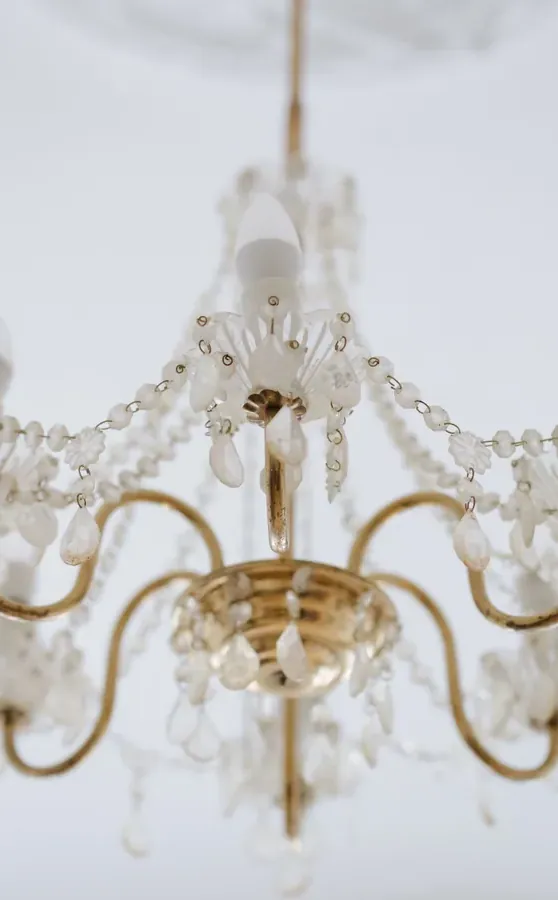
Al Quraniyah is an established district in south Jeddah, hemmed between the sea and the heavy goods routes, where dust is not fine and light but a dark, oily mix of diesel soot, workshop grit and engine residue from lorries passing constantly. Chandeliers soil quickly and deeply. Grease bonds hard to crystals and metalwork, and coastal humidity adds mildew to every surface and a musty smell to stored things in the home.
Black soot from heavy lorries deposits on every raised surface in Al Quraniyah, and chandeliers turn dark far faster here than in other districts. For the method itself, see how we approach chandelier cleaning.
Al Quraniyah sits trapped between the sea and the arterial routes for heavy goods vehicles. The dust is not fine particles but an oily, sticky mix of diesel soot, engine carbon and heavy machinery oils. This soot clings hard to crystals and penetrates the gaps between arms. Surface wiping does not touch it; every piece needs deep soaking and careful scrubbing individually.
Humidity from the nearby sea makes wiring and metalwork vulnerable to rust and mould. Older homes do not dry easily, and moisture pools beneath the fixture. Metals turn brown with chemical rust, and a musty smell may develop around the ceiling and inside the fixture frame itself.
Homes in older Al Quraniyah have relatively low ceilings and chandeliers may use outdated mounting methods. Moisture weakens fixings over time. Before removal, we inspect the mounting carefully and the ceiling itself may need special attention.
An older established residential district in south Jeddah neighbouring several housing areas, containing apartment blocks and older homes, bordered by Al Lith Road and local streets with markets, mosques and government schools.
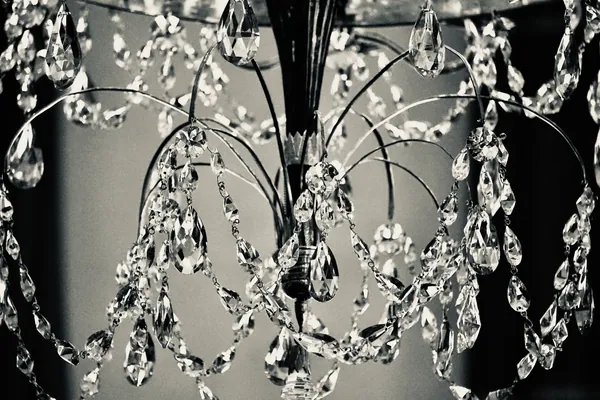
Older homes may need ceiling inspection before we start; moisture may be visible. We check the mounting and electrical condition carefully.
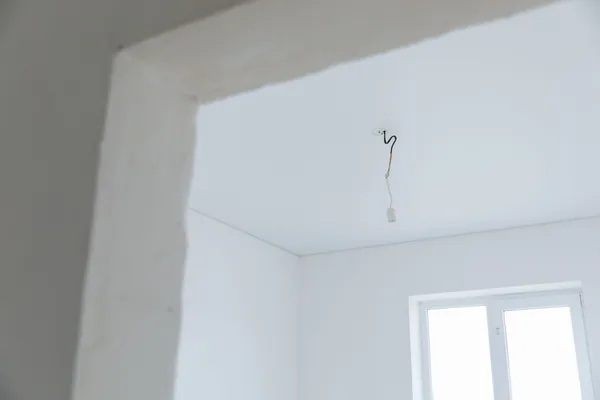
Wiring may be damp from coastal humidity. We cut power cautiously and allow time to dry before disassembly.
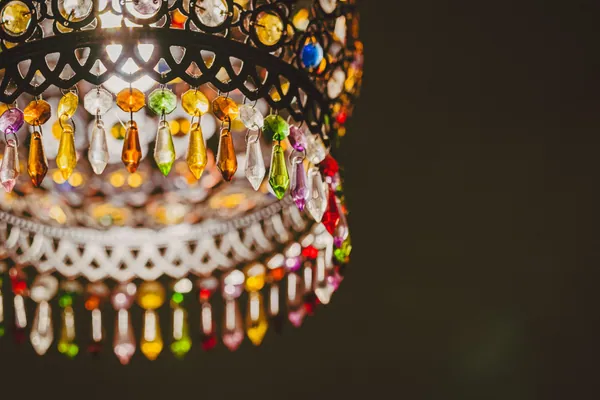
We photograph the layout before removal, especially for older fixtures where some crystals may be missing or damaged from years of old soot and moisture.
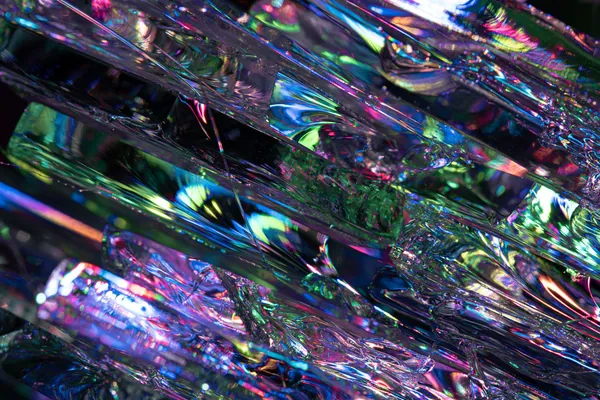
Greasy soot needs long soaking and deep washing for each piece. Crystals and metalwork may require stronger solutions and soft brushes applied carefully.
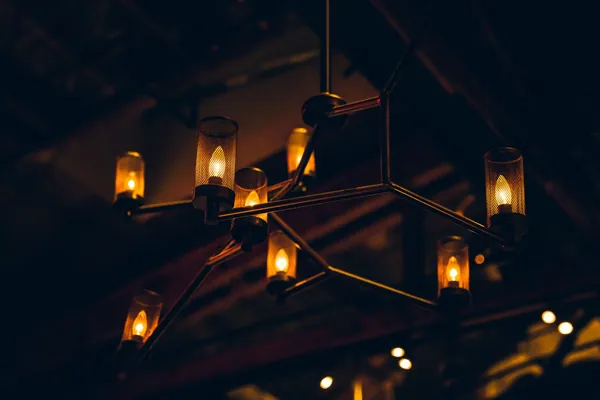
The frame and arms are usually rusted from moisture. We focus on cleaning tight gaps between arms where soot and mildew accumulate most.
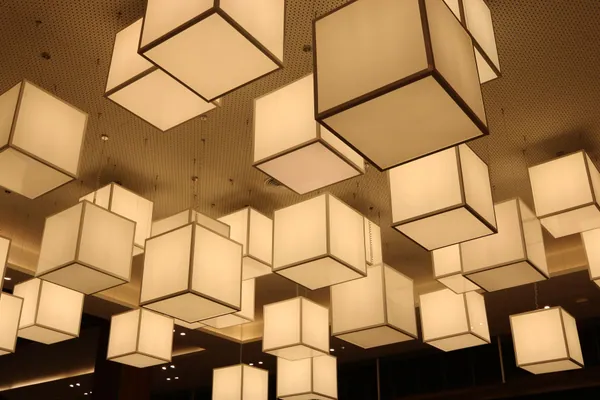
After refitting we test the light and allow drying time. We recommend good ventilation for several days after to dry the ceiling space.
The circuit is switched off before anything is touched, and warm bulbs are given time to cool.
We check how it is built, which crystals are loose, and how it comes apart before removing a thing.
The area under the fixture is covered before we start, so a dropped crystal lands soft and nothing marks the floor or table below.
Where the piece allows, crystals come off and are washed and dried individually.
With the crystals off or aside, the frame, arms, bulb holders and ceiling mount are wiped down, since that is where film and webs hide behind the glass.
Every crystal goes back to its place, the fixture is switched on and checked, and we walk the room with you.
Al Quraniyah sits close to Al Waqidi Primary School and Al Qurayniyah Market, with residential streets connecting them. The team knows the local routes and junctions along Al Lith Road and through the interior streets, making access straightforward and planning reliable.
A crystal fixture over a stairwell is not a job for a kitchen stool.
We send a team, not one person, so crystals come off, get washed and go back in one visit, without a lone worker hurrying a fragile piece to finish before dark.
Whether crystals come off or are cleaned in place depends on how the fixture is built.
Nothing is done until the fixture is back together, switched on, and you have seen it throw its light.
Photographs from real jobs carried out by the crew.












The commitment is simple enough to actually keep: we do not leave until the fixture is reassembled, lit, and you have seen it for yourself.
South Jeddah runs from the port and the industrial city down towards Al Khumrah, and homes here sit between the sea and the heavy goods roads. The dust is darker and oilier than in the north, a mix of diesel soot and workshop grit, and it clings to net curtains, window sills and the tops of kitchen cupboards. Floors in the older low rise housing are often plain cement or ceramic tile that darkens where soot is walked in. Humidity from the coast adds mildew in bathrooms and a musty smell in stored fabrics.
We provide these in Al Quraniyah too, and more than one can share a single visit.



