
The access to reach it safely
A crystal fixture over a stairwell is not a job for a kitchen stool.
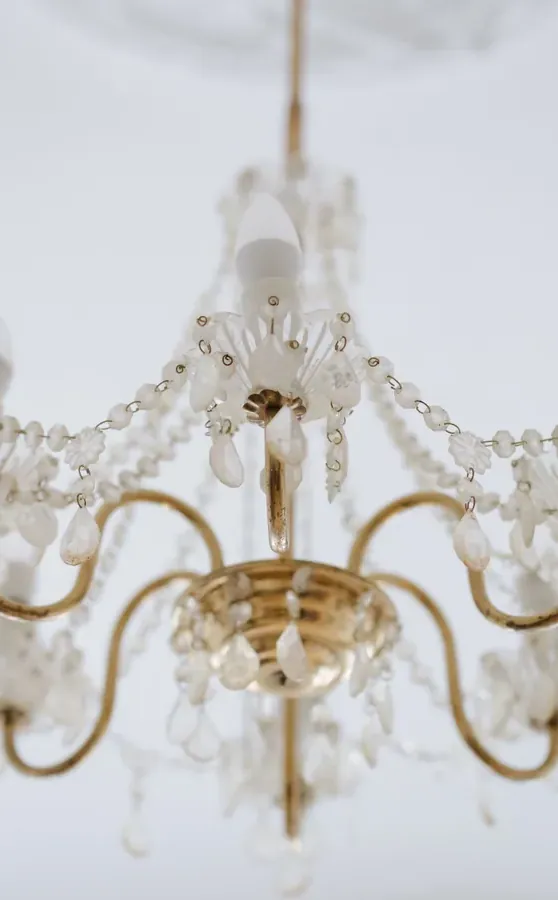
Al Rughamah is a relatively older east Jeddah district set among hills and near Wadi Al Qaws. The air is dry and the dust is coarser and paler than coastal areas. It enters under doors and settles on every flat surface overnight. Chandeliers here collect fine grit quickly, metals do not rust as fast as on the coast, but glass loses its shine under a grey film of settled dust and sediment from roof tank water.
Dry dust settles heavier here than in coastal areas and makes sofas, mattresses and curtains the hardest items to keep clean. Fine grit scratches ceramic and marble floors if swept only and not vacuumed, and roof tank sediment leaves a grey film in baths and basins. For the method itself, see what chandelier cleaning involves.
East Jeddah lies far from the sea, so air is drier and dust is coarser and paler than coastal dust. It settles on every surface fast and is hard to remove. A chandelier becomes heavy from dry dust buildup faster than from salt accumulation. Cleaning needs specific solvents to break down and lift the packed dust.
Roads here shed fine gravel under doors and windows. If a floor is mopped without sweeping first, grit scratches ceramic and marble badly. Chandeliers work the same way: sharp dust on the surface scratches crystal if rubbed roughly. Extreme care is necessary or new damage occurs during cleaning.
Water from roof tanks carries mineral sediment that leaves a grey film. Every floor and sink needs sweeping before washing. The chandelier likewise may trap fine sediment that needs a soft brush to remove, not hard rubbing. Sediment and dust together make the grey coating that clouds the light.
Al Rughamah lies in east Jeddah within the hills and valley belt near Wadi Al Qaws, a relatively older residential district that houses Al Tawfeeq Mosque and falls within the Umm Al Salm Sub-Municipality area.
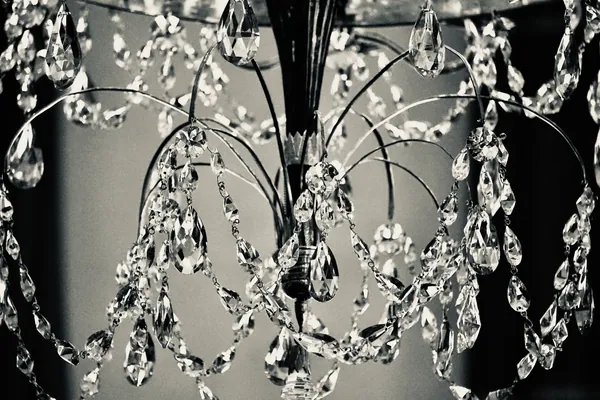
Inspecting the chandelier here means checking for surface rust and fine sediment deposits. Dry dust may have etched fine lines in the metals.
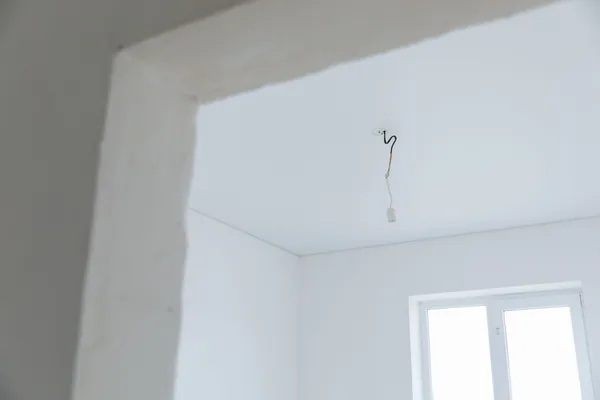
Cutting power is done with extra care because the building is older. We verify wire insulation and proper grounding.

We photograph the layout and watch for embedded grit particles and any lines in the glass.
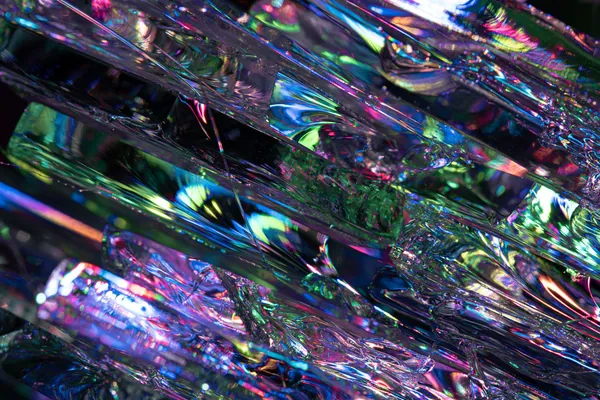
Each piece is washed in filtered water. Fine grit is removed gently with a soft brush. Hard scrubbing is forbidden.
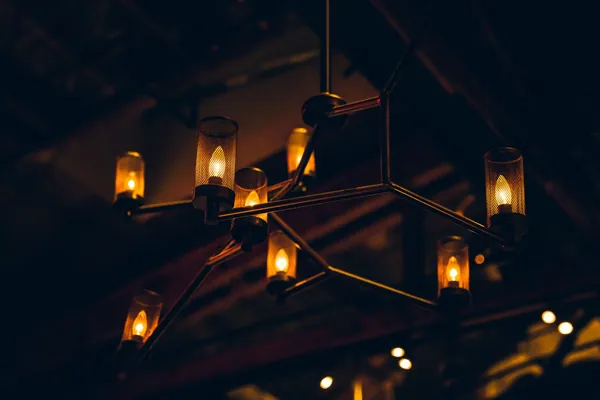
Frame and arms are wiped gently. Tank sediment is removed carefully from every joint. Metals may need a soft brush, never hard rubbing.

Reassembly requires full electrical checking. Light should be even across all angles. Every piece is verified in its correct position and fittings are secure.
The circuit is switched off before anything is touched, and warm bulbs are given time to cool.
We check how it is built, which crystals are loose, and how it comes apart before removing a thing.
The area under the fixture is covered before we start, so a dropped crystal lands soft and nothing marks the floor or table below.
Where the piece allows, crystals come off and are washed and dried individually.
With the crystals off or aside, the frame, arms, bulb holders and ceiling mount are wiped down, since that is where film and webs hide behind the glass.
Every crystal goes back to its place, the fixture is switched on and checked, and we walk the room with you.
A crystal fixture over a stairwell is not a job for a kitchen stool.
We send a team, not one person, so crystals come off, get washed and go back in one visit, without a lone worker hurrying a fragile piece to finish before dark.
Whether crystals come off or are cleaned in place depends on how the fixture is built.
Nothing is done until the fixture is back together, switched on, and you have seen it throw its light.
Photographs from real jobs carried out by the crew.












The commitment is simple enough to actually keep: we do not leave until the fixture is reassembled, lit, and you have seen it for yourself.
East Jeddah lies furthest from the sea and closest to the open ground and hills beyond the ring roads, so the air is drier and the dust is coarser and paler than on the coast. It comes in under doors and settles on every flat surface overnight, making sofas, mattresses and curtains the heaviest part of the routine. Floors are mostly ceramic tile in the apartment districts and marble in the villa areas, both scratched by grit that is mopped rather than swept. Roof tank water leaves a grey film of sediment in baths and basins.
We provide these in Al Rughamah too, and more than one can share a single visit.



