
The access to reach it safely
A crystal fixture over a stairwell is not a job for a kitchen stool.
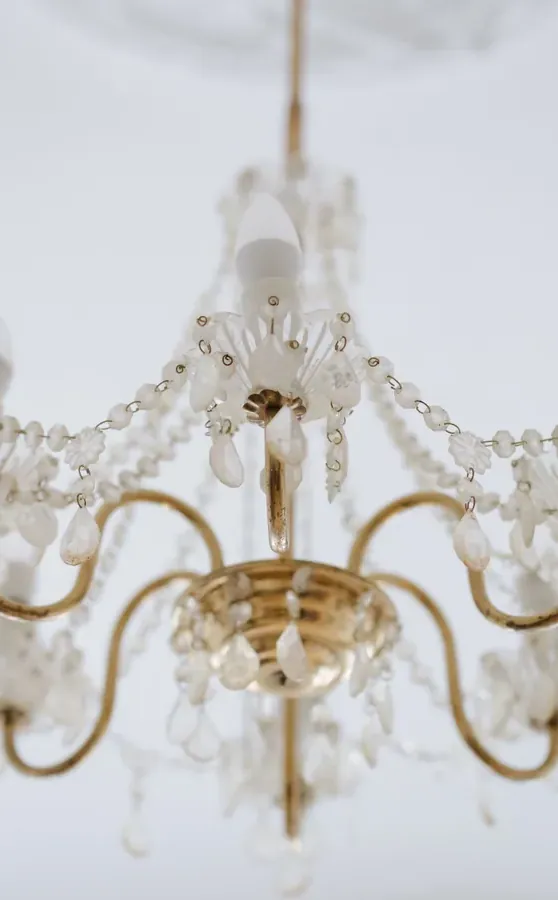
Al Muruj in north Jeddah is a new development within Obhur Al Shamaliyah where construction is ongoing and vacant plots sit between homes. Chandeliers here accumulate sharp dust from building sites and newly raised roads. They need protective handling during dismantling and more frequent washing because dust returns faster than in completed districts.
Chandeliers in active construction areas acquire light but recurrent dust every one to two weeks as adjacent building sites continuously release new particles into the air. For the method itself, see how we approach chandelier cleaning.
Ongoing construction on the open plots surrounding Al Muruj raises sharp, fine dust that travels into adjacent flats and villas. Chandeliers require protective covering during dismantling to prevent new dust settling on wet pieces.
Jeddah Madinah Road and King Abdulaziz Road cutting through the construction zone generate concrete and brick dust that is light but sharp and clings to chandelier crystals and metal work.
Continuous building means fresh dust every day, so chandeliers need cleaning on a shorter cycle than in completed districts. A clean chandelier here dims noticeably within two months.
Open land and continuous building work in Al Muruj raise fine, sharp dust that does not settle quickly, especially on hot days and in winds blowing across exposed sites.

Chandeliers in building zones carry sharp construction dust from adjacent sites and raised roads, so we inspect fixings and wiring for dust entry before dismantling begins.
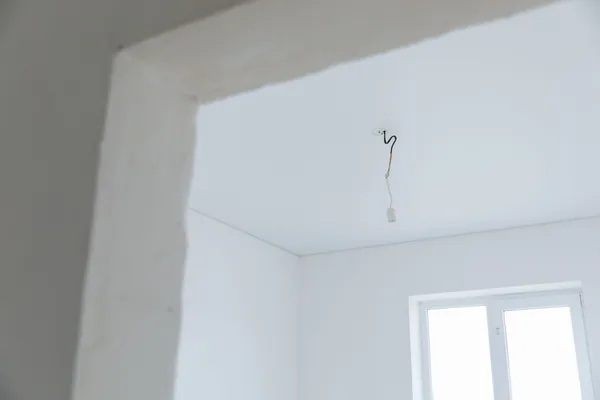
Power off and cooling is essential, especially where construction vibrations may have stressed connections. We wait longer before touching wiring.

Layout photography captures where construction dust has settled most heavily on the chandelier, informing the soaking strategy for each section.

Pieces are washed in fresh water with gentle soaking, no harsh solutions needed because construction dust releases readily with water alone.
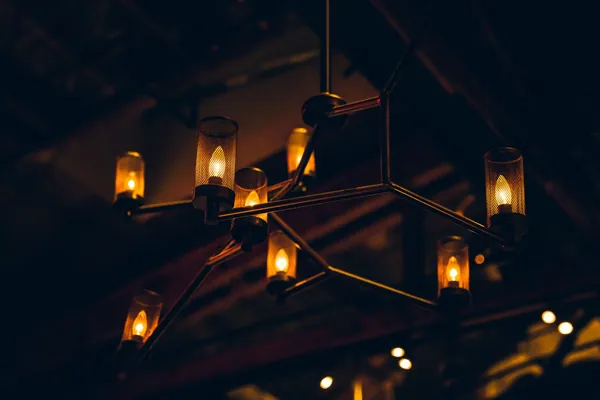
Metal frames and arms may hold fine concrete dust deep in crevices, so cleaning requires careful sequential rinsing without hard scrubbing that grinds particles in.

Reassembly includes close inspection of sockets and fixings to ensure no dust remains inside before power is restored and the chandelier is lit for testing.
The circuit is switched off before anything is touched, and warm bulbs are given time to cool.
We check how it is built, which crystals are loose, and how it comes apart before removing a thing.
The area under the fixture is covered before we start, so a dropped crystal lands soft and nothing marks the floor or table below.
Where the piece allows, crystals come off and are washed and dried individually.
With the crystals off or aside, the frame, arms, bulb holders and ceiling mount are wiped down, since that is where film and webs hide behind the glass.
Every crystal goes back to its place, the fixture is switched on and checked, and we walk the room with you.
A crystal fixture over a stairwell is not a job for a kitchen stool.
We send a team, not one person, so crystals come off, get washed and go back in one visit, without a lone worker hurrying a fragile piece to finish before dark.
Whether crystals come off or are cleaned in place depends on how the fixture is built.
Nothing is done until the fixture is back together, switched on, and you have seen it throw its light.
Photographs from real jobs carried out by the crew.












The commitment is simple enough to actually keep: we do not leave until the fixture is reassembled, lit, and you have seen it for yourself.
New development: ongoing construction and vacant plots between the homes
A district with active building work means your chandelier collects fresh construction dust every week from adjacent sites and newly raised roads, requiring more frequent professional cleaning and extra protection during dismantling.
We provide these in Al Muruj too, and more than one can share a single visit.



