
The access to reach it safely
A crystal fixture over a stairwell is not a job for a kitchen stool.
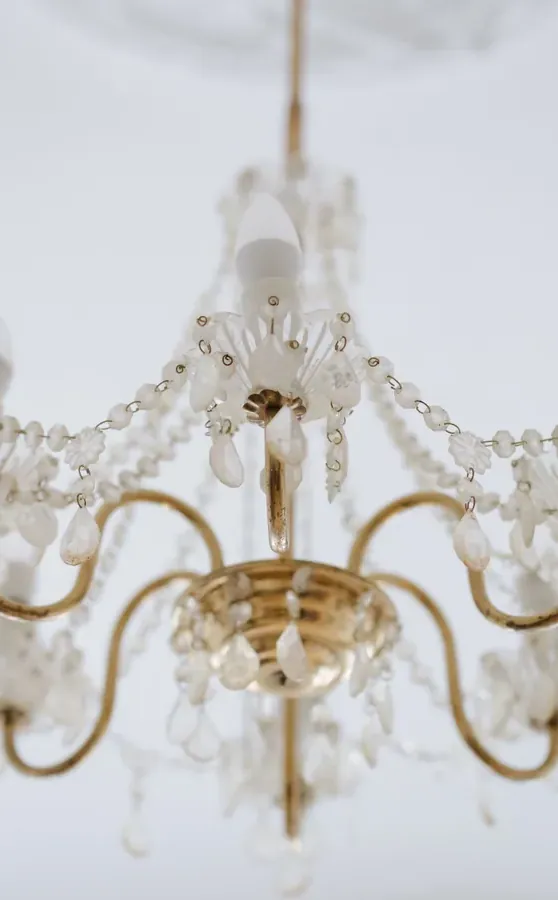
Al Aziziyah is a dense district in central Jeddah, restaurants, shops, flats and villas crammed together, and chandeliers here trap everything. Cooking grease from restaurants below rises through the floors, fine black dust from main roads, and lime scale from the water supply. The density and commerce make the chandelier darker and oilier than anywhere else in the city.
Cooking fumes from restaurants and cafes crammed below the flats send oily vapours upward directly. Black fine dust from Makarona Road and main streets sticks to the grease. Lime in the water leaves a white film on crystal. For the method itself, see what chandelier cleaning involves.
Al Aziziyah is mixed use with shops below and homes above, and restaurants and cafes are packed into the ground floors. Oily cooking vapours rise directly into the flats and villas above them. The chandelier traps this grease and oils, and dust sticks hard to the grease. A quick wipe from below cannot dislodge this oily buildup.
Makarona Road and Al Arbaeen Street and the main routes are congested, and fine black dust from vehicle exhaust rises easily. This sticks to the grease already present and blackens the chandelier from inside. Light output fades by degrees and the neighbourhood feels dim.
Old central Jeddah has high lime content in the water supply and the crystal becomes covered in a white lime film. This dulls the light and may not come off with quick washing. Cleaning needs an alkaline solution that dissolves scale from inside the structure.
A dense district north east of central Jeddah with restaurants, cafes, shops, popular markets and apartment blocks over shops, with villas in the numbered sections.
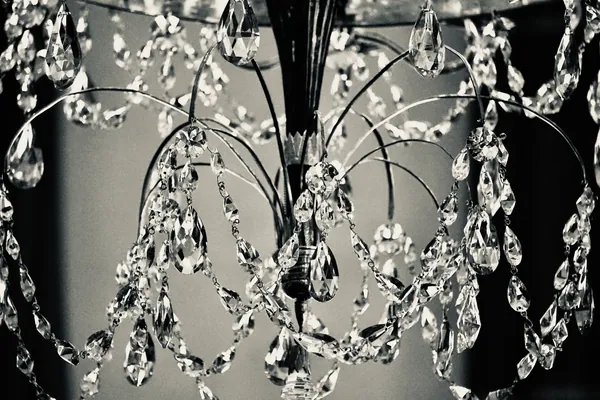
Chandeliers in Al Aziziyah vary from flats to villas, and photographs before dismantling protect you from confusion when reassembling.
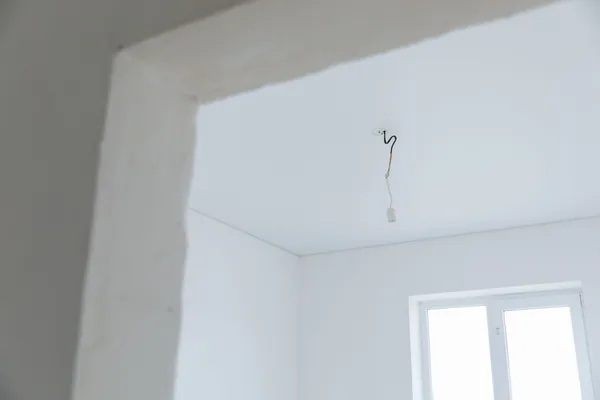
Safe electrical isolation in a central Jeddah building block may be complex, and the crew inspects all connections carefully.
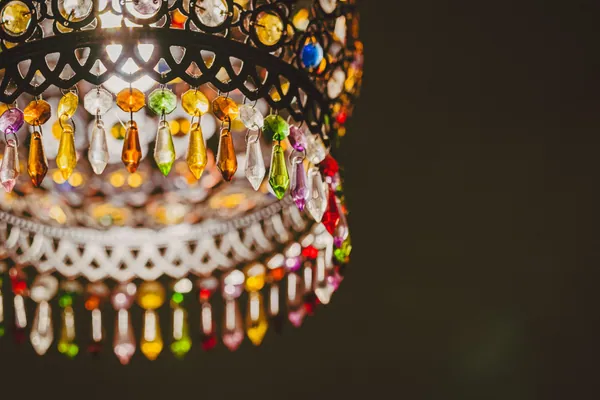
Grease and lime together need to be photographed under strong light before dismantling, so you can see the grease buildup and white scale together.
Each piece is soaked in alkaline solution first for several hours, then brushed with a soft brush, then washed in warm filtered water.
Frames and metals are cleaned with soft brush and may need fine grit for old lime scale, and tight gaps are cleaned with care.
Lights are tested with a meter because humidity, grease and scale may have weakened insulation.
The circuit is switched off before anything is touched, and warm bulbs are given time to cool.
We check how it is built, which crystals are loose, and how it comes apart before removing a thing.
The area under the fixture is covered before we start, so a dropped crystal lands soft and nothing marks the floor or table below.
Where the piece allows, crystals come off and are washed and dried individually.
With the crystals off or aside, the frame, arms, bulb holders and ceiling mount are wiped down, since that is where film and webs hide behind the glass.
Every crystal goes back to its place, the fixture is switched on and checked, and we walk the room with you.
Mixed district: shops at street level with homes above them
Mixed use with restaurants below means the chandelier traps grease and oils persistently. The team focuses on grease removal before addressing other deposits, and the work takes longer than in quiet districts.
A crystal fixture over a stairwell is not a job for a kitchen stool.
We send a team, not one person, so crystals come off, get washed and go back in one visit, without a lone worker hurrying a fragile piece to finish before dark.
Whether crystals come off or are cleaned in place depends on how the fixture is built.
Nothing is done until the fixture is back together, switched on, and you have seen it throw its light.
Photographs from real jobs carried out by the crew.












The commitment is simple enough to actually keep: we do not leave until the fixture is reassembled, lit, and you have seen it for yourself.
Central Jeddah is the old heart of the city: Al Balad with its coral stone houses, and the dense apartment quarters around it with shops beneath the flats. Floors here are often terrazzo or older ceramic tile, worn smooth and easily stained by cooking grease that drifts up from the street. Older kitchens and bathrooms carry heavy scale on taps and around drains, and pipework in the older blocks leaves rust marks in basins. Rugs and curtains take on the fine black dust of the main roads, so they need washing more often than elsewhere.
We provide these in Al Aziziyah too, and more than one can share a single visit.



