
The access to reach it safely
A crystal fixture over a stairwell is not a job for a kitchen stool.
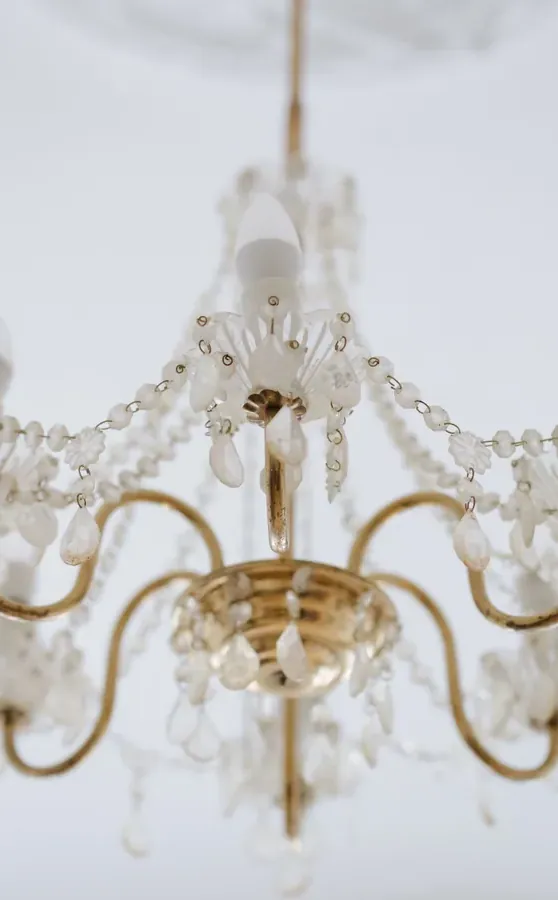
Al Waha is a modern district of villas and apartment buildings laid out to a regular plan, with high ceilings and crystal chandeliers hanging in living rooms and open-plan kitchens. The chandelier here faces direct exposure to cooking oils rising from the kitchen, and collects fine dust in the dry air of a newly built area. The crystal dims so gradually that the owner does not notice until the whole room feels darker than it should.
Chandeliers in Al Waha villas need specialised cleaning every six to eight months because of cooking oils rising from open-plan kitchens and fine dust settling rapidly. For the method itself, see our guide to chandelier cleaning.
Cooking oils from the open kitchen settle as a sticky film on every crystal piece, trapping fine dust that builds and dulls the light. Quick wiping from below does not reach into the interior of the chandelier. Proper cleaning requires removing each piece, washing individually in warm water with degrease product, rinsing thoroughly and drying so no water spots remain.
The metal frame and arms supporting the crystal face humidity and oil vapour, leading to corrosion and discolouration. Rust appears first at joints where water pools. The arms weaken if neglected. Deep cleaning includes gentle scrubbing of metal with a rust-inhibiting product, polishing carefully without scratching nearby crystal.
Complex chandeliers have dozens of pieces and arms in a precise arrangement. Removing them without photographs means you forget which piece belongs where. Photographing from multiple angles before disassembly preserves the original layout and protects against damage and misalignment during reassembly.
A modern residential district of villas and apartment buildings with high ceilings and open-plan kitchens. Crystal chandeliers hanging in living rooms face direct contact with cooking oils rising from adjacent kitchens and rapid dust accumulation.
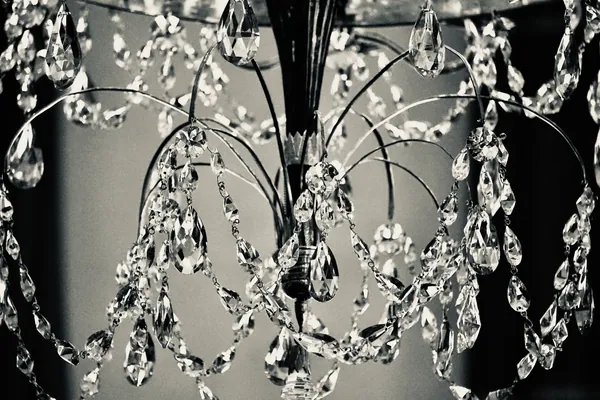
Al Waha villas need careful assessment of chandelier type at the start: whether it is Bavarian crystal or standard glass, and how it is secured, because method varies by crystal type and metal frame design.
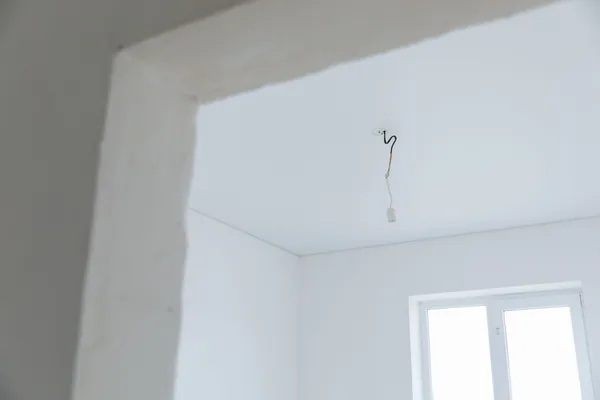
Isolating power is mandatory before any chandelier work begins: the main circuit is switched off and protective drop sheets are placed under the chandelier before any piece is removed.
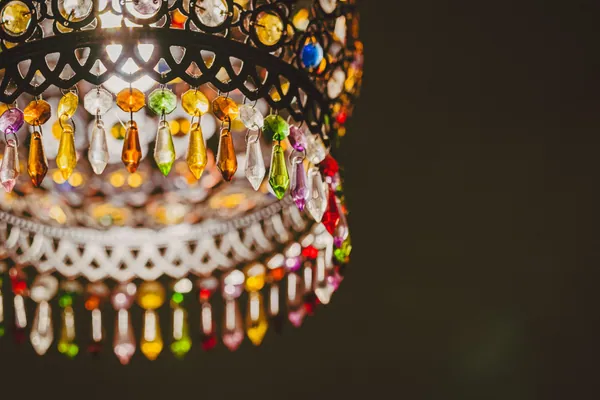
Photographing from multiple angles before dismantling preserves the exact layout: twisted wires, rings and small ornaments must return to their precise original positions to avoid misalignment.
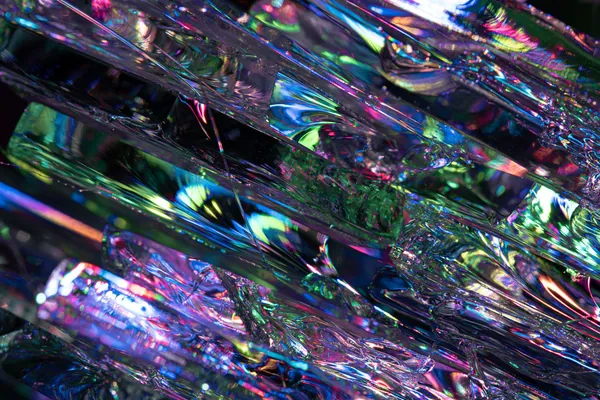
Each piece is washed separately in warm water with a degrease product formulated for oils: cooking vapours from open kitchens need chemical dissolution, not harsh scrubbing that scratches crystal.
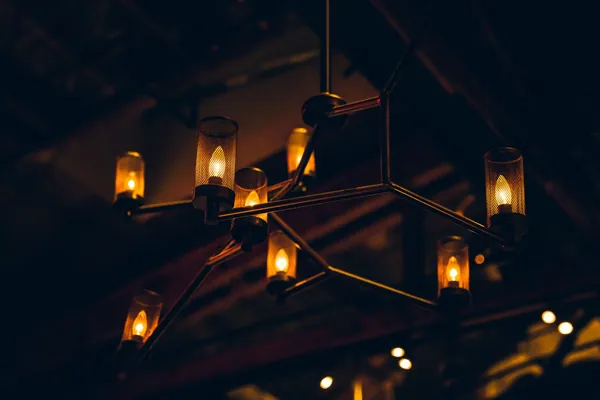
Metal frame and arms are cleaned gently with a rust-inhibiting product after oil removal: metals bonded to crystal need care so no damage spreads to nearby pieces.

Reassembly follows the documented layout exactly: each piece returns to its original position, wiring is inspected before power is restored, and lighting is checked from every angle before handover.
The circuit is switched off before anything is touched, and warm bulbs are given time to cool.
We check how it is built, which crystals are loose, and how it comes apart before removing a thing.
The area under the fixture is covered before we start, so a dropped crystal lands soft and nothing marks the floor or table below.
Where the piece allows, crystals come off and are washed and dried individually.
With the crystals off or aside, the frame, arms, bulb holders and ceiling mount are wiped down, since that is where film and webs hide behind the glass.
Every crystal goes back to its place, the fixture is switched on and checked, and we walk the room with you.
A crystal fixture over a stairwell is not a job for a kitchen stool.
We send a team, not one person, so crystals come off, get washed and go back in one visit, without a lone worker hurrying a fragile piece to finish before dark.
Whether crystals come off or are cleaned in place depends on how the fixture is built.
Nothing is done until the fixture is back together, switched on, and you have seen it throw its light.
Photographs from real jobs carried out by the crew.












The commitment is simple enough to actually keep: we do not leave until the fixture is reassembled, lit, and you have seen it for yourself.
East Jeddah lies furthest from the sea and closest to the open ground and hills beyond the ring roads, so the air is drier and the dust is coarser and paler than on the coast. It comes in under doors and settles on every flat surface overnight, making sofas, mattresses and curtains the heaviest part of the routine. Floors are mostly ceramic tile in the apartment districts and marble in the villa areas, both scratched by grit that is mopped rather than swept. Roof tank water leaves a grey film of sediment in baths and basins.
We provide these in Al Waha too, and more than one can share a single visit.



