
The access to reach it safely
A crystal fixture over a stairwell is not a job for a kitchen stool.
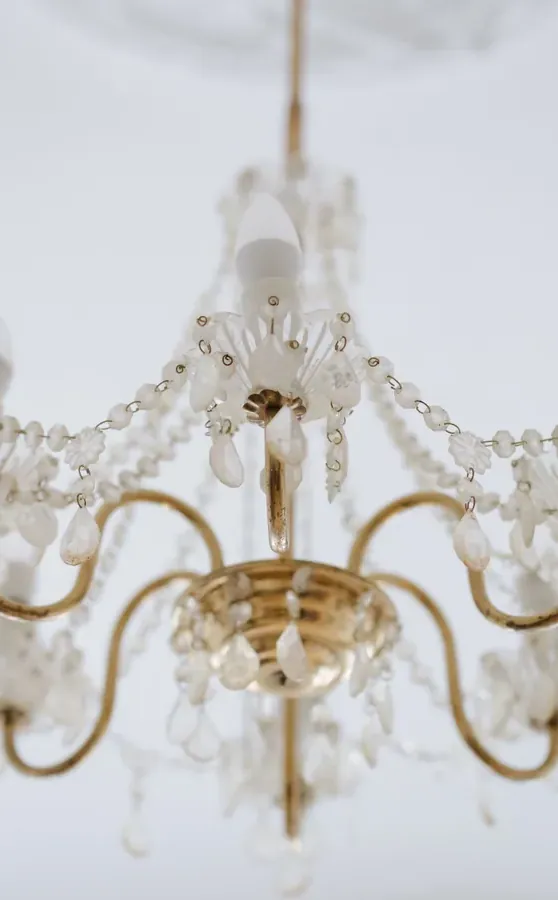
Al Atheer is a locality on the south eastern edge of Jeddah along the Jeddah Makkah Expressway, grouped administratively with Bahrah for services. Development here is lighter than in central Jeddah, with newer housing and vacant plots scattered through open areas. The expressway location means heavy dust and soot from trucks reach homes directly. Chandeliers here carry road pollutants and rust quickly from damp heat. Cleaning demands removal of highway grease and salt buildup.
Chandeliers in Al Atheer carry heavy highway grease and diesel soot, far more than those in districts away from major roads. For the method itself, see what chandelier cleaning involves.
Al Atheer sits directly on the Jeddah Makkah Expressway, and trucks passing release grease and soot into the air. This mixture reaches homes and chandeliers quickly. The combination of grease coated with soot creates a sticky, hard layer that blocks light. Cleaning demands strong solutions to break down this complex deposit.
The expressway location means hot dry air most of the year, but night moisture deposits on metals. Harsh sun combined with humidity causes light surface rust quickly on metal frames. Cleaning includes rust treatment and post-cleaning protection to prevent quick corrosion.
Around Al Atheer are many undeveloped plots. Wind carries dust from these open areas in addition to expressway grease. The chandelier faces a complex mixture of different pollutants. Cleaning needs a multi stage approach targeting each type of soiling separately.
A lightly built area on the Jeddah Makkah Expressway between Jeddah and Makkah, a mix of newer homes and vacant land. Location on a major highway means oily dust from trucks settles on surfaces constantly.
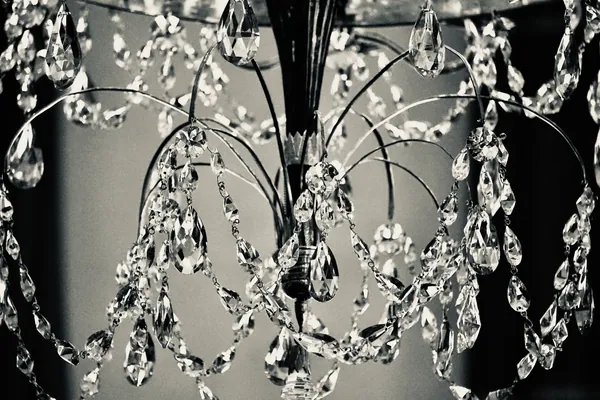
The chandelier may be simple or moderately complex, but metal parts may begin rusting from night humidity despite harsh daytime drying.
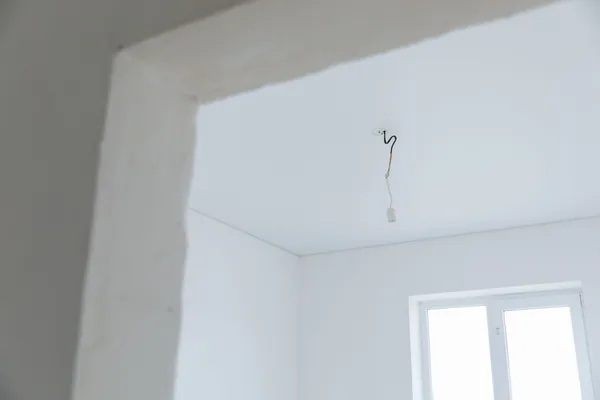
Circuit breakers in simple homes are usually accessible but may be unprotected from wind and dust.
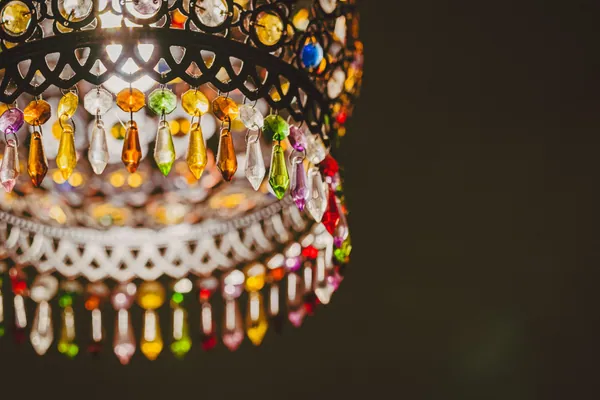
Photography before dismantling matters greatly because vibrations from traffic may shift components out of place.
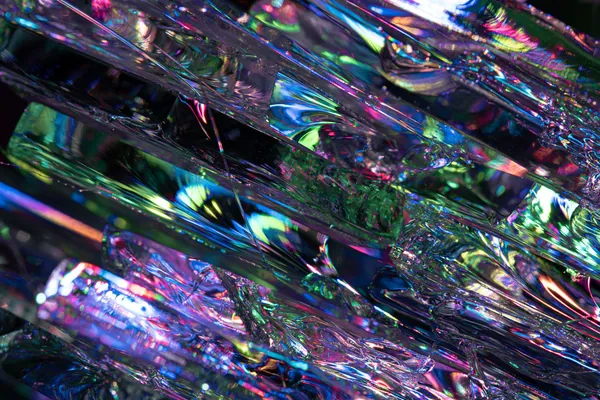
Components need long soaking in strong cleaner solution to remove expressway grease deposits.
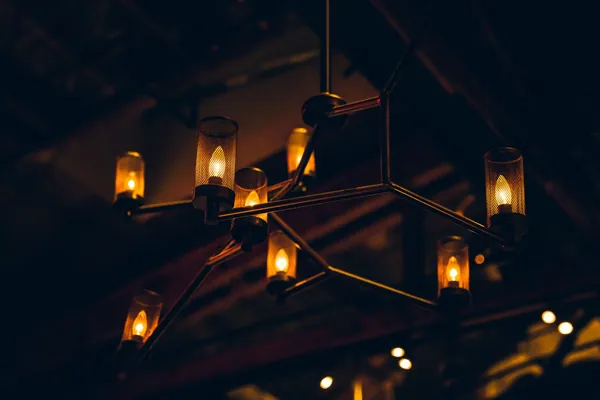
Metals may need rust treatment for light corrosion, and we may use specialist rust solutions.

Final testing confirms secure mounting and correct lighting distribution throughout the fixture.
The circuit is switched off before anything is touched, and warm bulbs are given time to cool.
We check how it is built, which crystals are loose, and how it comes apart before removing a thing.
The area under the fixture is covered before we start, so a dropped crystal lands soft and nothing marks the floor or table below.
Where the piece allows, crystals come off and are washed and dried individually.
With the crystals off or aside, the frame, arms, bulb holders and ceiling mount are wiped down, since that is where film and webs hide behind the glass.
Every crystal goes back to its place, the fixture is switched on and checked, and we walk the room with you.
Mixed district: shops at street level with homes above them
Mixed district status on an expressway means the chandelier faces highway grease, soot and salt together. Residential homes and shops below raise mixed pollutants from both street and expressway sources. Cleaning demands strong grease removal and protection against the rapid rusting that begins quickly here.
A crystal fixture over a stairwell is not a job for a kitchen stool.
We send a team, not one person, so crystals come off, get washed and go back in one visit, without a lone worker hurrying a fragile piece to finish before dark.
Whether crystals come off or are cleaned in place depends on how the fixture is built.
Nothing is done until the fixture is back together, switched on, and you have seen it throw its light.
Photographs from real jobs carried out by the crew.












The commitment is simple enough to actually keep: we do not leave until the fixture is reassembled, lit, and you have seen it for yourself.
South Jeddah runs from the port and the industrial city down towards Al Khumrah, and homes here sit between the sea and the heavy goods roads. The dust is darker and oilier than in the north, a mix of diesel soot and workshop grit, and it clings to net curtains, window sills and the tops of kitchen cupboards. Floors in the older low rise housing are often plain cement or ceramic tile that darkens where soot is walked in. Humidity from the coast adds mildew in bathrooms and a musty smell in stored fabrics.
We provide these in Al Atheer too, and more than one can share a single visit.



