
The access to reach it safely
A crystal fixture over a stairwell is not a job for a kitchen stool.
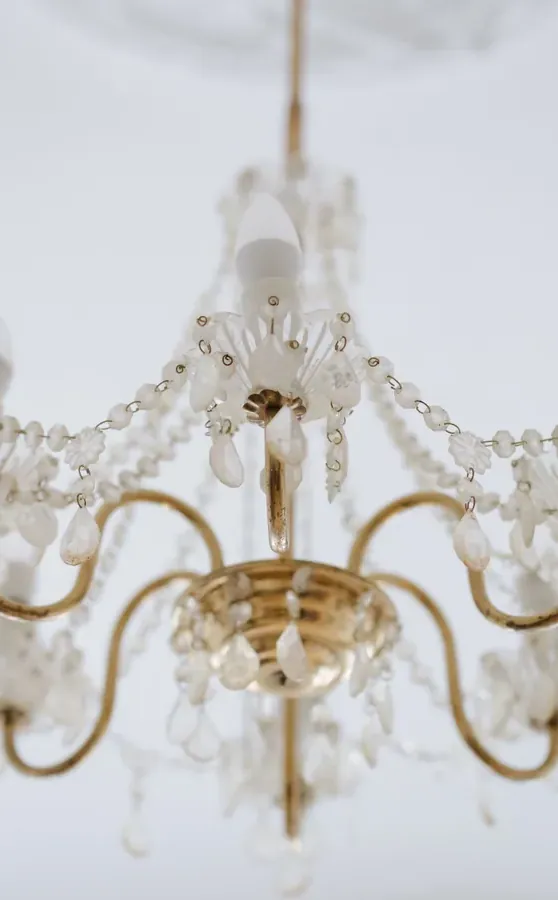
Al Farouq is a mixed district in south Jeddah between the ring road and Old Makkah Road, with apartment buildings and vacant plots alongside warehouses and light industry at its fringes. Chandeliers here accumulate a different dust mix: fine desert dust, heavy black soot from the constant flow of trucks on Haramain Road and Al Falah Road, and metallic particles from industrial activity nearby.
Chandeliers in Al Farouq retain heavy black soot from truck and diesel engine exhaust far more than those in districts far from major roads, and industrial pollutants deposit a fine grey film that sets hard if left untreated. For the method itself, see what chandelier cleaning involves.
Haramain Road and the expressway run through Al Farouq with intensive truck traffic and diesel engines, producing heavy black soot that adheres to crystal far more than dry dust does. Strong solutions and hot water washers are necessary, and soft brushes may need firmer pressure to break the bond.
Warehouses and light workshops on the district's edges emit metallic particles and industrial dust that travel into nearby homes. Flats closest to industrial zones need deeper cleaning and close attention to the actual contaminants present.
Ground floor shops and cafes and continuous street traffic all emit fumes and airborne particles that rise to upper floors. Flats in mixed-use buildings collect dust from multiple sources simultaneously, compounding the load on the chandelier.
The district is traversed by Haramain Road, Al Falah Road and the Jeddah-Makkah expressway with intensive heavy vehicle traffic, and light industrial and warehouse uses on its edges that raise soot and metallic dust levels well above purely residential neighbourhoods.
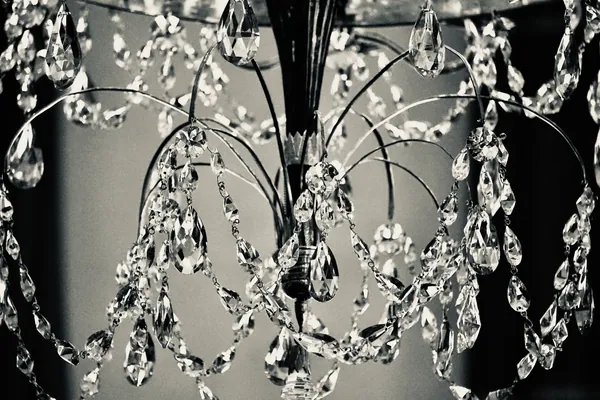
Inspection focuses on soot density and metallic deposits from heavy traffic, and checks wiring for any effect from heavy dust and dampness.
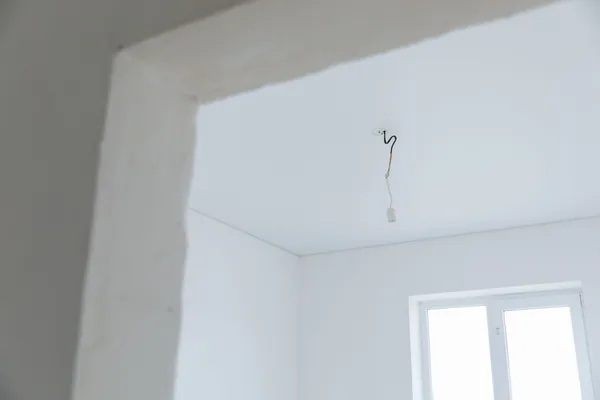
Power off and circuit safety verification are essential, especially if the chandelier shares a circuit with high-load shop equipment.
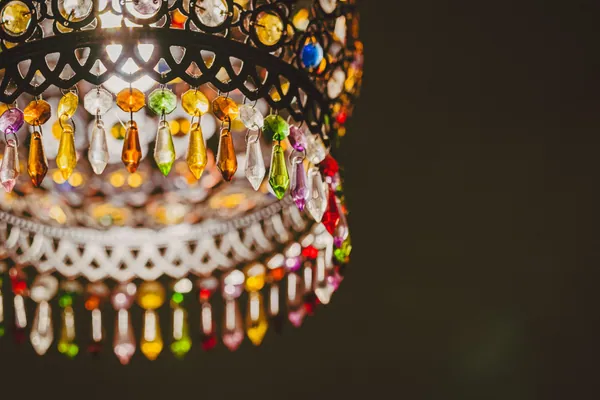
Photography before dismantling captures the exact placement of each component, crucial if the design is complex.
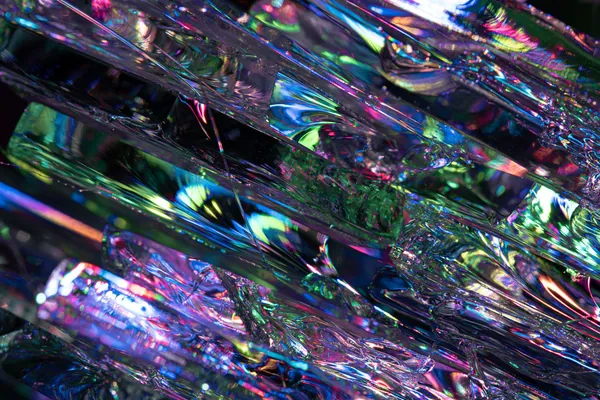
Washing each piece separately uses hot water and strong solvents to break diesel soot and metallic oils, with each component soaked then gently agitated.
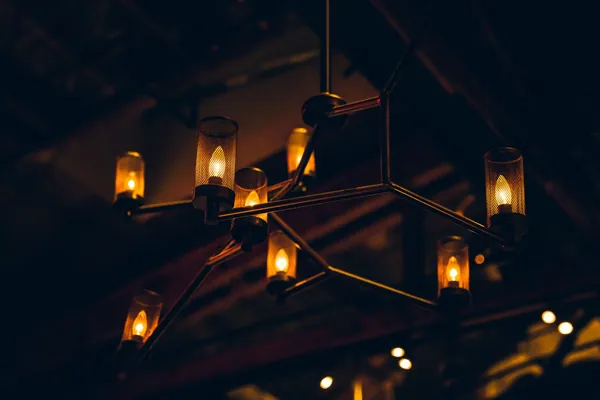
Frame and arm cleaning uses hot spray and soft brush work with close attention to crevices where soot accumulates densest.
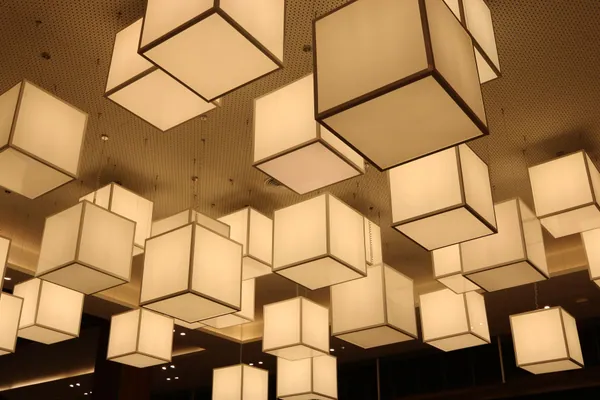
Reassembly includes a second check of mount and wiring, then full lighting tests to confirm every lamp functions.
The circuit is switched off before anything is touched, and warm bulbs are given time to cool.
We check how it is built, which crystals are loose, and how it comes apart before removing a thing.
The area under the fixture is covered before we start, so a dropped crystal lands soft and nothing marks the floor or table below.
Where the piece allows, crystals come off and are washed and dried individually.
With the crystals off or aside, the frame, arms, bulb holders and ceiling mount are wiped down, since that is where film and webs hide behind the glass.
Every crystal goes back to its place, the fixture is switched on and checked, and we walk the room with you.
Mixed district: shops at street level with homes above them
Al Farouq is a mixed district combining residential, commercial and light industry, so chandeliers face simultaneous exposure to multiple contaminants: industrial dust, truck exhaust soot and grease from ground floor shops. This demands deeper cleaning and careful solvent selection matched to the actual pollutants present.
A crystal fixture over a stairwell is not a job for a kitchen stool.
We send a team, not one person, so crystals come off, get washed and go back in one visit, without a lone worker hurrying a fragile piece to finish before dark.
Whether crystals come off or are cleaned in place depends on how the fixture is built.
Nothing is done until the fixture is back together, switched on, and you have seen it throw its light.
Photographs from real jobs carried out by the crew.












The commitment is simple enough to actually keep: we do not leave until the fixture is reassembled, lit, and you have seen it for yourself.
Al Farouq sits between Old Makkah Road and Haramain Road which cross through the district, with homes distributed near Abdullah ibn Rawahah Mosque, Imam Ahmad ibn Hanbal Mosque and Al Farouq Park, which serve as clear navigational references to the residential zones.
We provide these in Al Farouq too, and more than one can share a single visit.



