
The access to reach it safely
A crystal fixture over a stairwell is not a job for a kitchen stool.
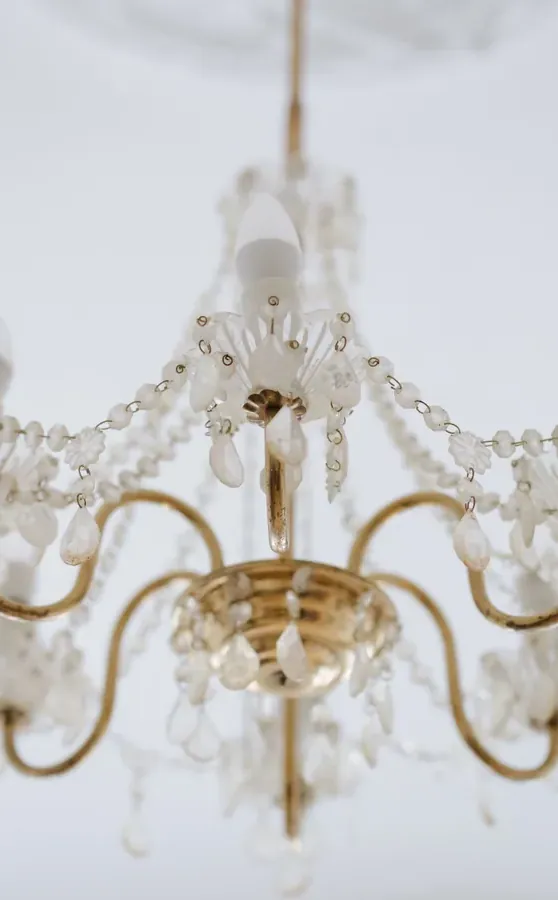
Al Mahjar lies south west of Al Wazeeriyah toward the coast, where King Abdulaziz Hospital occupies the old quarantine station site. High sea humidity mingles with industrial smoke and diesel-black dust from heavy traffic and workshops. Chandeliers here suffer rapid corrosion from salt and moisture, and grease from industrial activity and hospitals accelerates soiling. Protective treatment after cleaning is standard practice here.
Dust here is black from diesel and industrial work, mixed with sea salt and humidity, leaving a thick black layer on chandeliers quickly. For the method itself, see our guide to chandelier cleaning.
Al Mahjar lies very close to the coast, port and sea-based industry. High humidity and salt air speed metal oxidation visibly fast. Chandeliers tarnish noticeably faster here than in inland areas, and protective coating after cleaning is standard rather than optional to slow corrosion.
Heavy traffic and industrial work near Al Mahjar raise black diesel dust, mixed with sea salt on the wind. This combination bonds strongly to crystal and metal, requiring warm water and moderate detergent, repeated rinsing to lift all deposits without damaging the fixture.
Some buildings in Al Mahjar are relatively older, and ceilings and services may not be in best condition. Chandelier mounting may be weak, especially in homes near industrial work. Detailed safety inspection before dismantling is essential, and we may defer work if uncertain.
A south Jeddah district west of Al Wazeeriyah towards the coast, where King Abdulaziz Hospital stands on the old quarantine site. King Faisal Road, Al Mahjar Street and Zainal Street cross it, with hospitals and markets amid industrial activity.
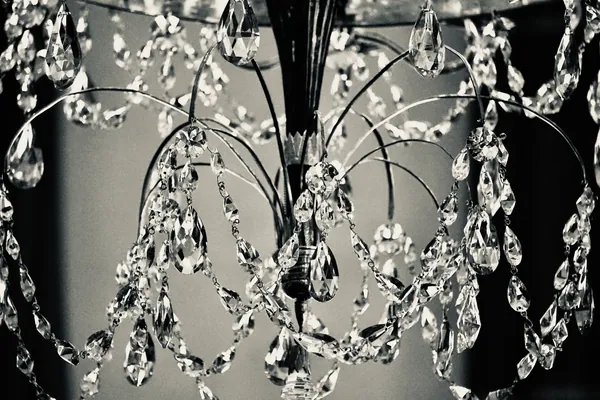
The coastal and industrial location means high humidity and rapid oxidation, so we inspect the fixture and mounting carefully for safety.
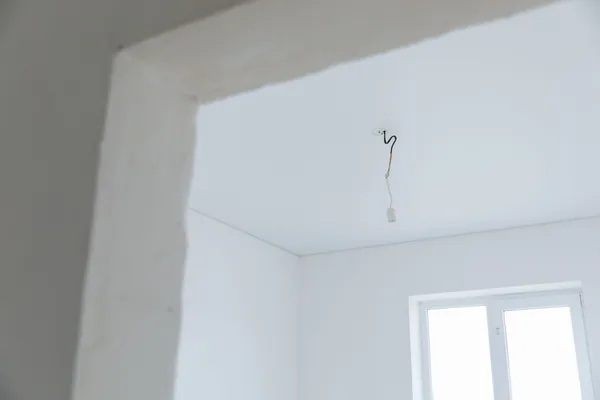
Power isolation is essential, and wiring in buildings near the coast may be affected by damp; we assess this before work begins.
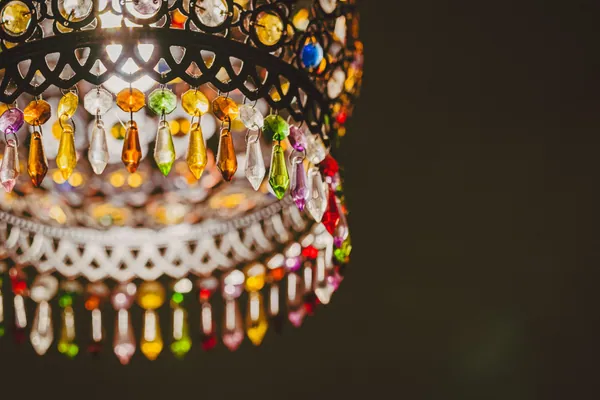
Photography before dismantling records the fixture condition and layout, important in a high-pollutant environment where corrosion accelerates.
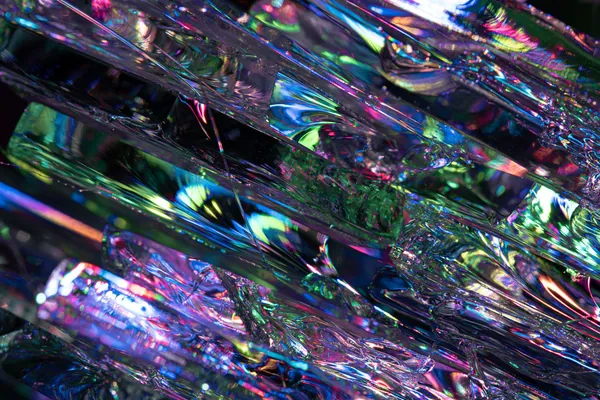
Washing uses warm water and moderate detergent, with repeated rinsing to remove salt and grease completely without damage.
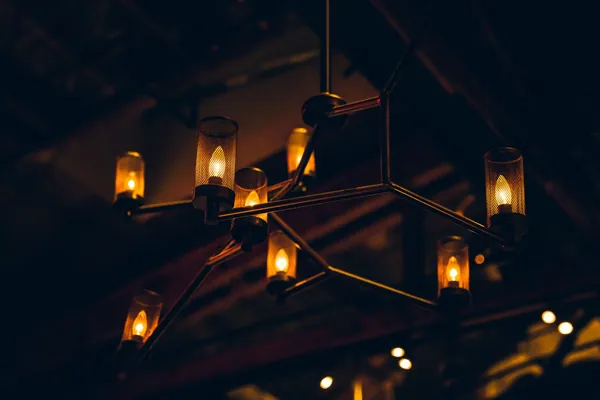
Frame and arms are checked for oxidation and corrosion; we often apply protective coating after cleaning to slow coastal tarnish.
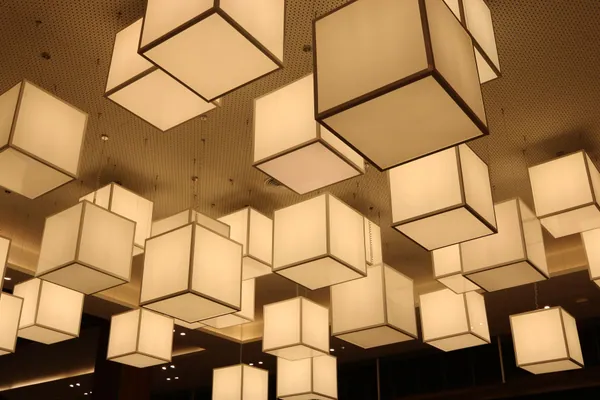
Reassembly checks mounting and wiring security; we routinely recommend protective coating from sea salt corrosion after the work completes.
The circuit is switched off before anything is touched, and warm bulbs are given time to cool.
We check how it is built, which crystals are loose, and how it comes apart before removing a thing.
The area under the fixture is covered before we start, so a dropped crystal lands soft and nothing marks the floor or table below.
Where the piece allows, crystals come off and are washed and dried individually.
With the crystals off or aside, the frame, arms, bulb holders and ceiling mount are wiped down, since that is where film and webs hide behind the glass.
Every crystal goes back to its place, the fixture is switched on and checked, and we walk the room with you.
A crystal fixture over a stairwell is not a job for a kitchen stool.
We send a team, not one person, so crystals come off, get washed and go back in one visit, without a lone worker hurrying a fragile piece to finish before dark.
Whether crystals come off or are cleaned in place depends on how the fixture is built.
Nothing is done until the fixture is back together, switched on, and you have seen it throw its light.
Photographs from real jobs carried out by the crew.












The commitment is simple enough to actually keep: we do not leave until the fixture is reassembled, lit, and you have seen it for yourself.
South Jeddah runs from the port and the industrial city down towards Al Khumrah, and homes here sit between the sea and the heavy goods roads. The dust is darker and oilier than in the north, a mix of diesel soot and workshop grit, and it clings to net curtains, window sills and the tops of kitchen cupboards. Floors in the older low rise housing are often plain cement or ceramic tile that darkens where soot is walked in. Humidity from the coast adds mildew in bathrooms and a musty smell in stored fabrics.
We provide these in Al Mahjar too, and more than one can share a single visit.



